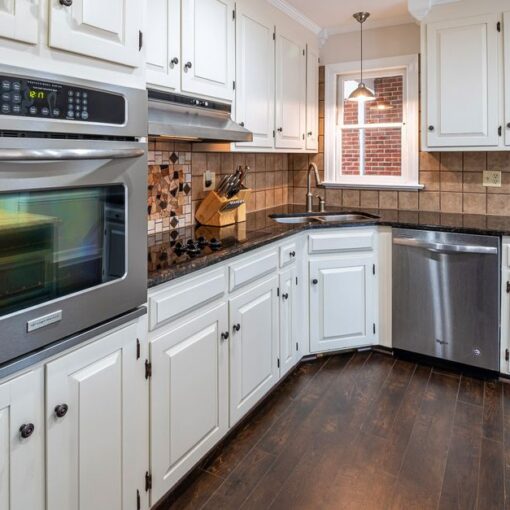
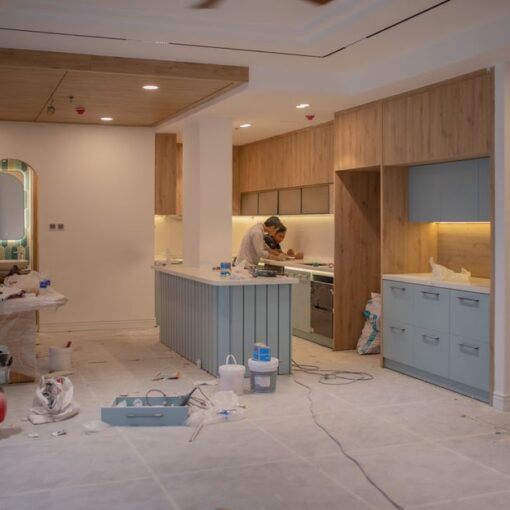
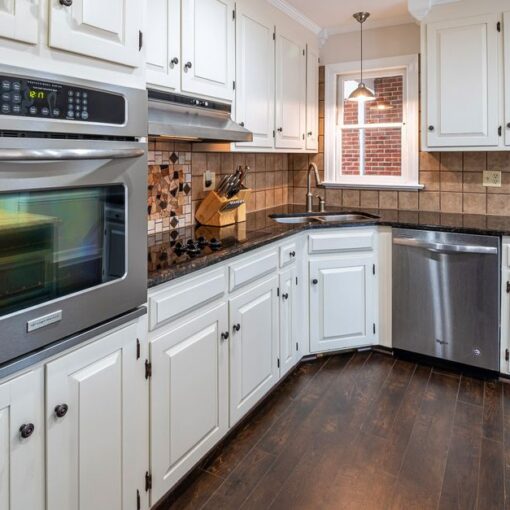
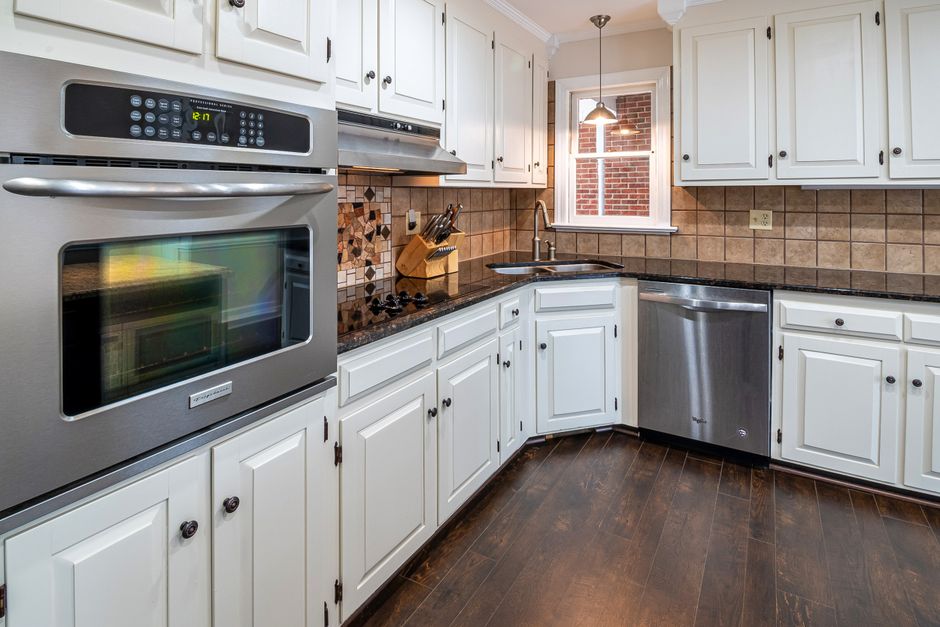
White shaker cabinet painting in Denver remains the single most requested kitchen upgrade in the metro area, and for good reason. The clean lines and timeless profile of shaker doors brighten any space, but achieving that flawless white finish is not a weekend brush project. Homeowners routinely receive quotes ranging from $2,500 to $15,000 for what sounds like the same job, and the confusion is understandable. This guide breaks down real 2026 pricing, the exact process professionals use, how long the work takes, and how to avoid the common mistake of hiring a house painter who leaves you with chipping cabinets six months later. You will learn what separates a factory-quality spray finish from a brushed latex job, what materials actually last, and how to vet a Denver cabinet specialist before you commit.
Table of Contents
- Why White Shaker Cabinets Dominate Denver Kitchens
- How Much Does White Shaker Cabinet Painting Cost in Denver?
- The Professional Process: What Factory Finish Actually Means
- White Shaker Cabinet Paint Options: Which Finish Lasts?
- How Long Does White Shaker Cabinet Painting Take in Denver?
- White Shaker Painting vs. Replacement vs. Refacing: A Denver Homeowner's Decision Guide
- DIY vs. Hiring a Denver White Shaker Cabinet Painter
- How to Choose the Right White Shaker Cabinet Painter in Denver
- Frequently Asked Questions About White Shaker Cabinet Painting in Denver
- Get Your Free White Shaker Cabinet Painting Quote in Denver
Why White Shaker Cabinets Dominate Denver Kitchens
White shaker cabinets have held the top spot in Denver kitchen design for over a decade, and the trend shows no sign of fading in 2026. The style works because it sits at the intersection of form and function. Flat center panels with square edges are simple enough to fit a mountain-modern condo in LoHi, yet traditional enough for a craftsman bungalow in Washington Park. White reflects natural light, which matters in a city where homeowners prize large windows and open floor plans. Realtors across the Denver metro consistently list white kitchens as a top buyer preference, and homes with dated oak or cherry cabinets often sit longer on the market. The versatility extends to materials as well. White shaker pairs equally well with quartz, granite, butcher block, and even concrete countertops. Hardware choices from matte black to brushed brass to polished nickel all work. The caveat is that not all white finishes are equal. The quality of the paint, the primer, and the application method determines whether your cabinets look crisp for a decade or start yellowing and chipping within a year.
How Much Does White Shaker Cabinet Painting Cost in Denver?
Most Denver kitchens fall between $3,500 and $7,500 for professional white shaker cabinet painting using factory lacquer sprayed in a controlled environment. The broader market range stretches from $2,500 on the low end for small kitchens with minimal prep to $15,000 for large kitchens with extensive repairs or complex color changes. Several factors drive the final price. The number of cabinet doors and drawers is the primary variable, but door condition matters just as much. Shaker doors with flat center panels are actually easier to spray than raised or ornate profiles, which can work in your favor. The existing finish is another major consideration. Converting dark oak or cherry cabinets to white requires additional primer coats and stain-blocking products, adding time and material cost. The type of topcoat also affects pricing. Pre-catalyzed lacquer costs more than waterborne urethane but delivers a harder, more durable finish. A rough estimate for professional white shaker painting runs $50 to $100 per linear foot of cabinetry. Compare that to full replacement, which runs $20,000 to $45,000 in the Denver market, and painting saves you $15,000 to $30,000 while keeping your existing cabinet boxes out of the landfill. For an exact quote, text photos of your cabinet doors and a count of uppers, lowers, and drawers to a Denver cabinet specialist. Many now provide instant price estimates without requiring an initial site visit.
The Professional Process: What Factory Finish Actually Means
The difference between a professional white shaker cabinet painting job and a DIY or house painter result comes down to process. A true factory finish requires controlled conditions, commercial-grade materials, and multiple stages of preparation.
Step 1: Prep and Surface Repair
Every door, drawer front, and hardware piece is removed and labeled for precise reinstallation. Surfaces are cleaned with degreasing agents to remove cooking oils and hand oils that block adhesion. The existing finish is scuff-sanded to create a mechanical bond for the primer. Dents, scratches, and nail holes are filled and sanded smooth. Shaker center panels are inspected for separation or movement, and any loose joints are reinforced before painting begins.
Step 2: Priming and Sanding
A high-build primer is sprayed across all surfaces to seal the substrate and create a uniform base. This step is especially critical for oak, maple, and MDF, which absorb paint differently. The primer is sanded smooth between coats. For dark-to-white color changes, a stain-blocking primer prevents tannins from bleeding through and yellowing the white topcoat. Skipping this step is the most common cause of white cabinets turning yellow or showing wood grain within months.
Step 3: Spray Application of Topcoats
Doors are sprayed in a controlled booth or clean room using HVLP or air-assisted spray equipment. Pre-catalyzed lacquer or waterborne urethane enamel is applied in multiple thin coats, with light sanding between each. No brushes or rollers touch the surface. This is the key to that smooth, factory-like finish that looks original to the cabinet.
Step 4: Curing and Reinstallation
Doors cure in a dust-free environment. Some Denver shops use UV-curing technology that hardens the finish instantly, allowing same-day handling. Hardware is reinstalled, or new hardware is installed if you have selected a different style. Cabinet frames receive final touch-up, and the full project runs three to seven business days depending on scope.
White Shaker Cabinet Paint Options: Which Finish Lasts?
Pre-catalyzed lacquer is the gold standard for white shaker cabinet painting in Denver. It dries hard, resists chipping and scratching, and lasts 10 or more years when properly sprayed. This is the same material used by cabinet manufacturers, which is why it delivers that factory look. Waterborne urethane enamels such as Benjamin Moore Advance and Sherwin-Williams Emerald Urethane are excellent alternatives. They offer strong adhesion, self-leveling properties, and lower VOC content. These products work well for both spray and brush application, though spraying still produces the smoothest result. What you should avoid is standard wall latex paint. Flat and eggshell interior paints are formulated for drywall, not high-touch cabinet surfaces. They chip, peel, and yellow quickly, often failing within six to twelve months. Many house painters use wall paint on cabinets because it is cheaper and easier to work with, but the result is a finish that looks amateur from day one and deteriorates rapidly. For sheen, satin or semi-gloss is the practical choice for white shaker cabinets. Semi-gloss offers the most durability and wipeability, while satin provides a softer look that hides minor imperfections. Matte finishes are trendy but less practical for surfaces that see daily handling. Finally, look for a written warranty. Top Denver cabinet shops offer three-year warranties on factory lacquer finishes, which signals confidence in their materials and process.
How Long Does White Shaker Cabinet Painting Take in Denver?
Most white shaker cabinet painting projects in Denver are completed in three to seven business days. Some providers finish in as little as three to five days, while complex jobs with custom color matching or extensive repairs may run a full week. The primary factors affecting duration are the number of cabinets, the condition of the existing finish, and the complexity of the color change. Converting dark oak to white adds at least a day due to the extra priming and sanding required. Off-site door finishing in a spray booth often yields a cleaner result but adds one to two days for transport and curing. Some Denver providers use UV-curing technology that hardens finishes instantly, reducing downtime and allowing same-day cabinet use after reinstallation. Plan for your kitchen to be out of commission for the duration of the project. Set up a temporary coffee station and plan meals that do not require full kitchen access. The disruption is brief compared to a full replacement, which can take weeks.
White Shaker Painting vs. Replacement vs. Refacing: A Denver Homeowner’s Decision Guide
Painting is the most cost-effective option when your cabinet boxes are structurally sound and you are happy with your current layout. At $3,500 to $7,500, it preserves your existing cabinets while completely transforming the look. Refacing replaces the doors and drawer fronts while keeping the existing boxes. This runs $8,000 to $15,000 and makes sense if you want a different door style or if your current doors are damaged beyond repair. Full replacement costs $20,000 to $45,000 and is the right choice when you need layout changes, your boxes are warped or water-damaged, or you are doing a complete kitchen remodel. Staining only works on wood with attractive grain, such as oak or maple. Paint covers everything, including MDF, laminate, and particle board, which makes it the more versatile option for older Denver homes with mixed materials. The decision rule is simple. If your cabinet boxes are solid and your layout works, painting is almost always the smartest return on investment in the Denver market.
DIY vs. Hiring a Denver White Shaker Cabinet Painter
The DIY appeal is understandable. A few cans of paint and some sandpaper cost a fraction of a professional job. The reality is less forgiving. Brushing or rolling white paint on shaker cabinets almost always leaves visible brush strokes, drips, and uneven coverage, especially on the flat center panels that define the style. Professional sprayers, spray booths, and commercial-grade lacquers are not accessible to most homeowners, and rental sprayers have a steep learning curve. A DIY project typically takes two to four weeks of evenings and weekends, while a professional crew finishes in three to five days. The durability gap is even more significant. DIY latex paint jobs often chip within months, while sprayed lacquer lasts a decade or more. DIY materials run $300 to $800, but the risk of a botched finish means many homeowners end up paying a professional to fix the mess. The cheap route becomes the expensive route.
How to Choose the Right White Shaker Cabinet Painter in Denver
Look for a cabinet specialist, not a general house painter. Ask directly whether they exclusively spray cabinets or if they are a general painter who occasionally takes cabinet jobs. The difference in finish quality is dramatic. Verify experience by asking how many kitchens they have transformed. Look for 1,000 or more projects or 20-plus years in business, and check for before and after galleries specifically showing white shaker work. Ask about their process. Do they spray or brush? What primer and topcoat do they use? Do they spray doors off-site in a controlled booth or in your home? The answers reveal whether you are dealing with a true cabinet shop or a painter using wall paint. Check the warranty. A written three-year warranty on the finish is a strong signal of confidence. Avoid anyone who will not stand behind their work. Get at least three estimates and be suspicious of bids far below the $3,500 floor. Those low bids almost always cut corners on prep, primer, or materials.
Frequently Asked Questions About White Shaker Cabinet Painting in Denver
Can oak cabinets be painted white shaker style? Yes. Golden oak is one of the most commonly converted cabinet types in Denver. Proper priming with stain-blocking products prevents grain bleed-through and yellowing.
How long does a sprayed white cabinet finish last? Pre-catalyzed lacquer lasts 10 or more years when properly applied. High-end waterborne urethane lasts five to ten years.
Will my white cabinets yellow over time? Quality lacquers and urethanes are formulated to resist yellowing. Avoid oil-based paints, which yellow faster and are rarely used by professional cabinet shops.
Do I need to empty my cabinets before painting? Yes. All contents must be removed. Drawers and doors are taken off-site or sprayed in place, and the work area needs to be clear.
Can you paint laminate or MDF white shaker cabinets? Yes. With proper adhesion primers, laminate and MDF take paint well. This is a major advantage over replacement, since these materials are expensive to replace but easy to refresh.
Get Your Free White Shaker Cabinet Painting Quote in Denver
Text or call with your door count and photos for an instant price estimate. No pressure, no site visit required initially. Proudly serving Denver, Aurora, Lakewood, Arvada, Wheat Ridge, Littleton, Boulder, Parker, and the surrounding metro. Include the number of upper and lower cabinets, drawer count, current finish such as oak, maple, or laminate, and two to three clear photos of open cabinet doors. Receive your quote within hours, schedule a free in-home assessment, and get your project on the calendar. Every white shaker project includes a three-year written warranty on the factory lacquer finish.