Homeowners planning a kitchen refresh usually ask one question before anything else: how long does cabinet paint last? It is a fair question, because repainting cabinets is a real investment of time and money. The honest answer is that there is no single universal number. Different painting companies report different ranges depending on the materials they use, the preparation work they do, and how the cabinets are treated afterward. Across the board, most professionally painted kitchen cabinets last somewhere between 8 and 15 years, with many lasting well beyond that under normal conditions.
What the Typical Lifespan Numbers Actually Say
Painting companies do not all quote the same lifespan, and the differences matter when you are budgeting for a project. One common estimate puts painted cabinets at 8 to 10 years of typical life, with repainting needed every 3 to 4 years in busy areas that see heavy use. Another industry estimate says professionally painted cabinets hold up for roughly 8 to 15 years before a refresh is needed. A third source gives a more optimistic range of 10 to 15 years with normal use, and notes that many painted cabinets last 20 years or more.
Real-world experience lines up with those ranges. One homeowner reported that their painted oak kitchen cabinets still looked good after 11 years of daily use. That kind of result is not unusual when the original paint job was done well and the cabinets have been maintained properly. The spread in these estimates should tell you that lifespan depends less on a fixed expiration date and more on how the work was done in the first place.
Why Sprayed Finishes Can Perform Differently
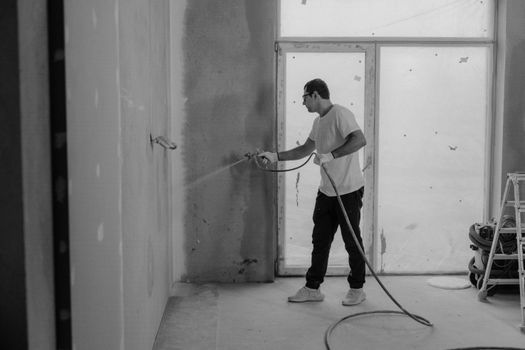
The way paint is applied has a direct effect on how long it holds up. Sprayed finishes, which are applied as a fine mist rather than brushed or rolled on, create a more uniform coating that bonds evenly across the surface. That consistency helps the finish resist chipping and wear in a way that hand application often cannot match. A sprayed finish also lays down thinner, more controlled coats, which reduces drips, brush marks, and uneven spots that can become weak points over time.
Professional cabinet painters who specialize in spraying typically use factory-grade materials such as 2K polyurethane or precatalyzed lacquer. These are the same types of finishes found on factory-built cabinetry. Factory-finished cabinets often hold up longer than site-painted cabinets because they are produced under controlled conditions with specialized equipment. A skilled site-applied sprayed finish using those same materials can come close, but the quality of the surface preparation and the number of coats applied will determine how close it gets.
Dry Time and Cure Time Are Not the Same
One of the most common reasons painted cabinets fail early is that they are put back into service before the finish has fully cured. A cabinet door can feel dry to the touch in a few hours, but that does not mean the paint has reached its full hardness. Most painting companies recommend waiting at least 7 days before light use of the cabinets. For heavy use, regular cleaning, or anything that puts pressure on the surface, the safer window is 21 to 30 days. During that period, the finish continues to harden and bond, and rushing it can lead to scratches, dents, and premature wear.
This is worth planning around if you are painting cabinets in a home you are actively living in. A kitchen that gets used three times a day is very different from a rental property or a guest house. Giving the cabinets the full cure time before loading them up with dishes and cleaning supplies is one of the simplest ways to protect your investment.
Factors That Determine How Long Cabinet Paint Lasts
Several variables work together to decide whether a painted cabinet lasts 5 years or 20. No single factor guarantees a long lifespan, and skipping any of them can shorten it considerably.
- Paint quality: Higher-quality paints and finishes are formulated to resist chipping, fading, and yellowing. Budget paints may look fine at first but tend to break down faster.
- Surface preparation: Proper sanding between thin coats is crucial. This creates a mechanical bond between layers and smooths out imperfections that could cause failure later.
- Application technique: Sprayed finishes applied by an experienced painter produce a more even film than brushed or rolled paint, which reduces weak spots.
- Level of use: Busy family kitchens with heavy cooking and cleaning will wear down paint faster than lightly used kitchens or bathroom vanities.
- Maintenance: Regular gentle cleaning and avoiding harsh chemicals help the finish stay intact for many years.
Because these factors interact, two identical kitchens painted with the same product can age very differently. That is why experienced painters emphasize preparation and technique as much as the paint itself. The product matters, but how it is applied matters just as much.
Signs That It Is Time to Repaint
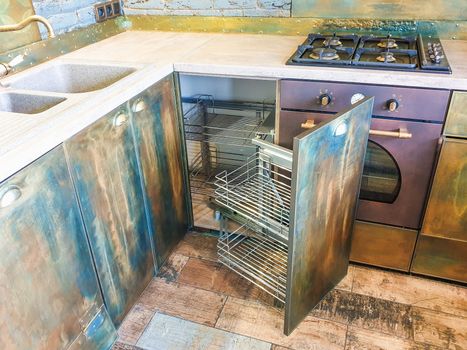
Cabinet paint rarely fails all at once. Instead, it gives you warning signs that the finish is reaching the end of its useful life. Chipping is the most obvious indicator, especially along the edges of doors and drawer fronts where the cabinets get touched the most. Fading is another common sign, particularly in kitchens that get direct sunlight. If you start noticing these issues, it is time to start planning a repaint rather than waiting for the finish to break down further.
Catching those signs early can save you money. A failing finish that is left alone can let moisture reach the raw wood underneath, which can lead to swelling, staining, and more extensive repair work. Repainting at the first signs of trouble is much less expensive than dealing with damaged cabinet boxes.
How to Extend the Life of a Painted Cabinet Finish
Once your cabinets are painted, the way you care for them has a big impact on how long the finish lasts. Regular gentle cleaning with mild soap and water is enough for almost all normal kitchen messes. Harsh chemicals, abrasive scrubbers, and aggressive degreasers can strip or dull the finish over time. Cabinet painters consistently recommend staying away from those products even when they promise quick cleaning results.
Simple habits make a real difference. Wiping up spills promptly, using soft cloths, and avoiding hanging heavy items on door fronts all reduce stress on the finish. Over the long term, these small habits can add years to the life of the paint and keep the cabinets looking fresh between repaints.
Painting Versus Replacing Cabinets
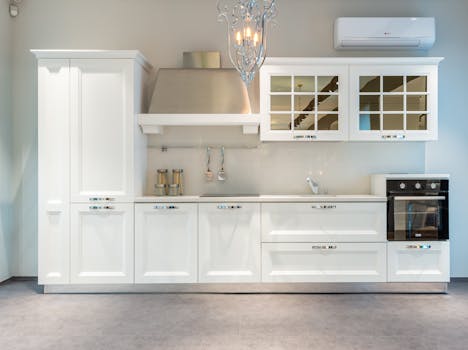
Lifespan is only half of the decision equation. Cost is the other half, and the math strongly favors painting for most homeowners. Painting kitchen cabinets costs about half of what brand-new cabinet installations cost. That means even if a painted finish needs refreshing after 10 to 15 years, you have likely spent far less than you would have on a full replacement. The money saved can be put toward other kitchen upgrades or a future repaint down the road.
There is one trade-off worth understanding. Factory-finished cabinets often hold up longer than site-painted cabinets because production-line finishing is highly controlled. However, factory finishes lack the design flexibility of a custom paint job. If you want a specific color, a two-tone scheme, or a completely different look for dated oak cabinets, painting gives you options that replacement cabinets cannot match at the same price point.
Frequently Asked Questions
How long does cabinet paint last on average?
Most painting companies estimate a typical lifespan of 8 to 10 years, with repainting needed every 3 to 4 years in busy areas. Other industry sources put the range at 8 to 15 years before a refresh is needed, and some say cabinets last 10 to 15 years with normal use, with many lasting 20 years or more. The exact lifespan depends on paint quality, surface preparation, application method, and how heavily the cabinets are used.
How long after painting cabinets can I use them?
Light use is generally acceptable after 7 days, but the finish needs more time to reach full hardness. Most painters recommend waiting 21 to 30 days before heavy use or regular cleaning. The paint may feel dry much sooner, but the curing process continues for weeks. Rushing that process can lead to scratches, dents, and premature chipping.
Is it cheaper to paint cabinets or replace them?
Painting cabinets costs about half of what brand-new cabinet installations cost. That makes painting the budget-friendly route for most homeowners who want a fresh look without the expense of full replacement. While factory-finished new cabinets often last longer, painting offers more design flexibility and a much lower upfront cost.
What causes cabinet paint to chip or fade?
Chipping usually appears along the edges of doors and drawer fronts that get touched frequently, and it can be a sign that the paint has reached the end of its lifespan. Fading most often happens in kitchens with direct sunlight. Using harsh chemicals and abrasive cleaners can also wear down the finish. Regular gentle cleaning with mild soap helps avoid both problems.