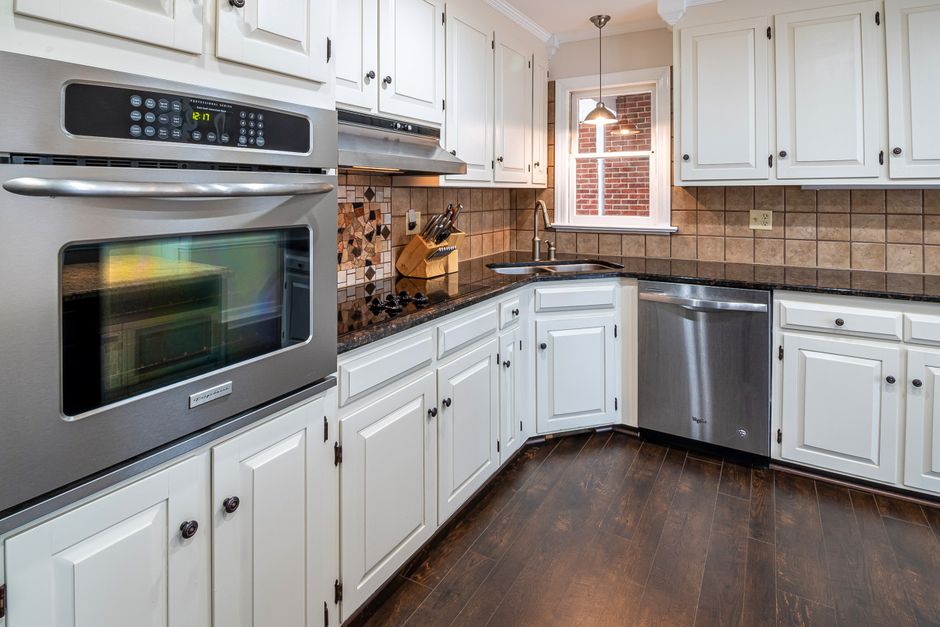
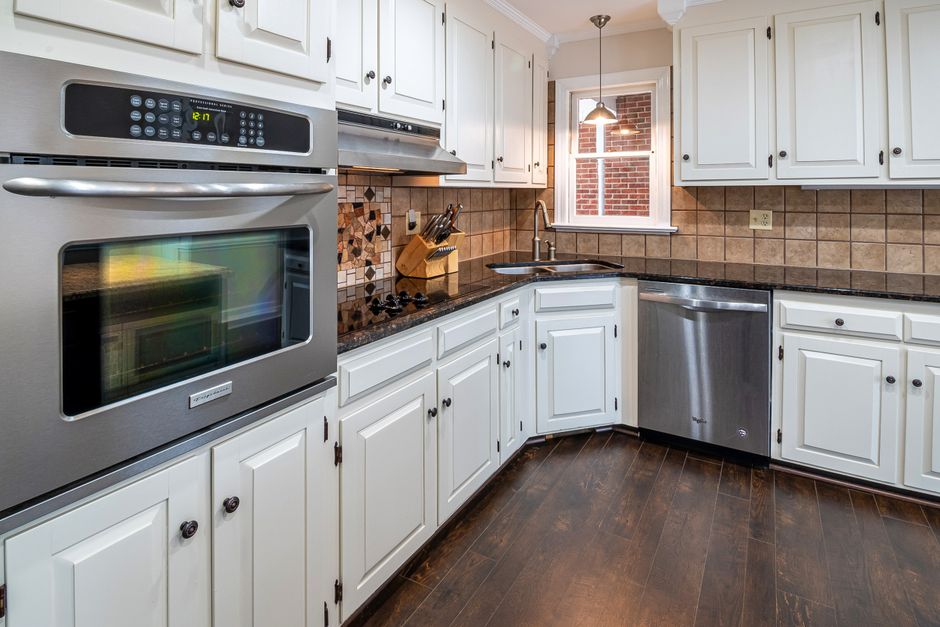
If your kitchen feels stuck in a decade you would rather forget, you are not alone. Thousands of Denver-area homeowners face the same dilemma: the cabinets are structurally sound, but the honey oak or dated laminate finish drags down the entire room. Finding truly affordable kitchen cabinet painting in Denver means knowing what to pay, what to expect, and who to trust. This guide walks you through real 2026 pricing, the professional process, and how to spot quality work so you can make a confident decision without overpaying.
Table of Contents
- Why Denver Homeowners Are Choosing Cabinet Painting Over Replacement
- How Much Does Cabinet Painting Cost in Denver? (2026 Price Breakdown)
- Painting vs. Refacing vs. Replacement: The Real Cost Comparison
- The Professional Cabinet Painting Process: What Quality Looks Like
- How to Choose the Right Cabinet Painter in Denver
- Denver-Specific Cabinet Challenges: Oak, Laminate, and Climate
- Frequently Asked Questions About Cabinet Painting in Denver
- Final Checklist: Getting the Best Value for Your Denver Cabinet Painting Project
Why Denver Homeowners Are Choosing Cabinet Painting Over Replacement
The math is straightforward. Professional cabinet painting costs 50 to 70 percent less than a full replacement, a figure that holds steady across the Front Range market. For a typical Denver kitchen, that means spending a few thousand dollars instead of tens of thousands, all while keeping your existing layout and avoiding the demolition dust, plumbing adjustments, and weeks of disruption that come with tearing everything out.
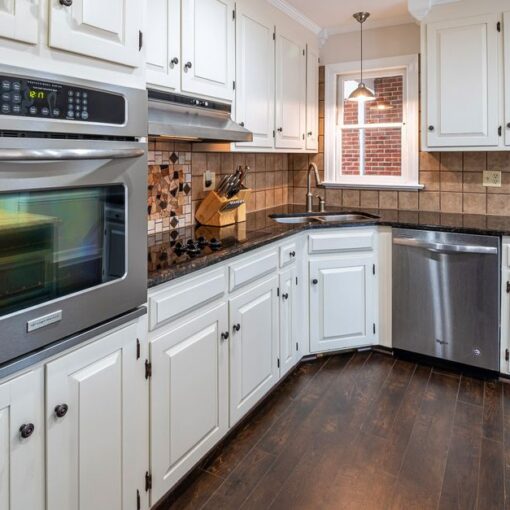
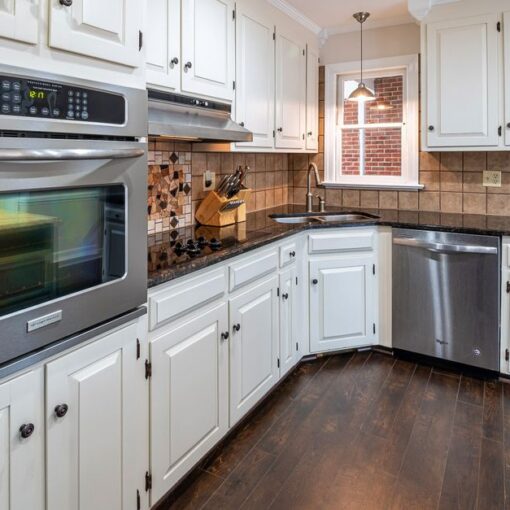
Denver's housing stock makes this choice especially relevant. The 1980s building boom left the metro area with a high concentration of oak and honey-oak cabinets. These boxes are built to last, but their dated color and prominent grain pattern can make an otherwise updated home feel tired. Painting transforms them overnight. The 2026 color landscape gives homeowners even more reason to act: earthy green shades have surged in popularity, with data suggesting 76 percent of homeowners now favor these tones over traditional neutrals. Painting lets you adopt the trend without committing to a permanent installation.
Timeline seals the deal. Most Denver cabinet painting projects finish in five to seven business days. A full replacement typically runs three to six weeks. For homeowners balancing work, family, and sanity, that difference matters. Painting delivers a high-ROI upgrade that boosts resale appeal and makes the kitchen a place you actually want to be, all at a fraction of the cost and time.
How Much Does Cabinet Painting Cost in Denver? (2026 Price Breakdown)
Average Price Ranges for the Denver Metro
Transparent pricing is hard to find, but here is what the market actually bears. For a professionally painted kitchen in the Denver metro, expect to pay between $3,500 and $8,500 depending on kitchen size and complexity. Most standard kitchens with 20 to 30 doors and drawers land in the $4,500 to $6,500 range. Breaking that down further, you can benchmark quotes at roughly $75 to $150 per door and $30 to $60 per linear foot of cabinet box. These figures represent a 50 to 70 percent savings versus full replacement and roughly 30 to 50 percent savings versus refacing, which replaces doors and drawer fronts but keeps the existing boxes.
What Drives the Price Up or Down
Kitchen size and cabinet count set the baseline. More doors, drawers, and linear feet of box mean more labor hours and more material. Material and condition come next. Laminate cabinets require specialized bonding primers that cost more than standard primers. Heavily worn oak with deep, open grain demands extra filling and sanding to achieve a smooth finish, adding labor hours that a painter in a hurry might skip.
Finish quality separates budget work from premium results. Sprayed factory-style finishes, where doors are removed and sprayed in a dust-controlled shop, cost more than brush-and-roll techniques but deliver a dramatically smoother, more durable surface. Hardware and customization choices also shift the total. Soft-close hinges, new knobs and pulls, and filling existing hardware holes to drill new ones all add cost but measurably improve the final experience.
How to Compare Quotes Without Getting Burned
Always request at least three in-home estimates from insured, local providers. A walkthrough lets the contractor assess cabinet condition, measure accurately, and spot issues that photos miss. Be wary of lowball bids. Quotes that come in significantly below the market range almost always skip critical prep steps like degreasing, sanding, and priming. These jobs look acceptable for six months and then begin peeling, chipping, or yellowing within 12 to 18 months.
Ask for a written, line-item quote that breaks out prep work, materials, labor, and warranty terms. Confirm that the quote includes spraying doors in a controlled shop environment rather than rushed in-home spraying, which can leave overspray on floors and a rougher finish on the doors themselves. A detailed quote protects both parties and signals a contractor who stands behind their work.
Painting vs. Refacing vs. Replacement: The Real Cost Comparison
Understanding what each option delivers clarifies why painting wins for most Denver homeowners. Professional painting runs $4,500 to $6,500 for a standard kitchen and transforms the existing structure with new color and finish. Refacing costs $8,000 to $12,000 and replaces doors and drawer fronts while applying a matching veneer to the cabinet boxes. Full replacement starts around $15,000 and can exceed $30,000 for a standard Denver kitchen, requiring demolition, possible plumbing and electrical work, and weeks of construction.
The Home Depot question comes up often. Big-box retailers offer cabinet painting services, but these programs frequently subcontract to generalist painters who lack the specialized prep, spray equipment, and cabinet-specific warranty that dedicated Denver cabinet painters provide. Pricing transparency is also limited, making apples-to-apples comparisons difficult.
Painting delivers 80 to 90 percent of the visual impact of replacement at roughly one-third of the cost. On the durability front, a properly prepped and sprayed professional paint job with a five-year warranty, which is the industry standard among top Denver providers, will last 10 to 15 years with normal use. That is a long window of daily enjoyment and resale value.
The Professional Cabinet Painting Process: What Quality Looks Like
Prep Work (The Step That Makes or Breaks the Job)
Prep is where reputations are earned. A thorough professional begins with detailed cleaning and degreasing to remove cooking residue that prevents paint adhesion. Every surface that will receive paint must be stripped of oils, grease, and wax. Next comes sanding to create mechanical tooth for the primer to grip. On oak cabinets, this step includes filling the open grain with Bondo or wood filler and sanding smooth, a labor-intensive process that budget painters often minimize or skip. Doors and hardware are removed, and every piece is labeled so reinstallation is accurate and efficient.
Spraying vs. Brush-and-Roll: Why Finish Quality Varies
Top Denver pros spray cabinet doors in a dust-controlled shop environment. This produces a smooth, factory-like finish free of brush marks, dust nibs, and roller stipple. Cabinet boxes, which remain installed, are typically brush-rolled in-home using high-quality microfiber rollers to minimize overspray and disruption. The paint itself matters enormously. Professional-grade, low-VOC, water-based urethane paints are the industry standard. These are not the acrylic wall paints sold at hardware stores. They cure harder, resist chipping and yellowing, and clean up without damaging the finish.
Timelines and Kitchen Usability
Standard Denver projects run five to seven business days. Most kitchens are fully functional within one week. A common workflow among local providers is Monday door pickup, followed by shop spraying through Thursday, with installation on Friday. Throughout the process, you can typically continue using your kitchen. Cabinet boxes remain accessible, and contractors work around your daily routines. Ask your contractor about their specific schedule and what you can expect for access to sinks, cooktops, and storage during each phase.
How to Choose the Right Cabinet Painter in Denver
Credentials and Insurance You Should Demand
Verify general liability insurance and workers' compensation coverage before anyone sets foot in your home. Ask for proof, not promises. A legitimate contractor will provide documentation without hesitation. Confirm the company is locally owned and has a physical presence in the Denver metro, not a lead-generation service that sells your job to the lowest bidder. Look for years of specialized cabinet painting experience. Ten-plus years in the trade is a strong benchmark that signals a business has weathered economic cycles and built a reputation worth protecting.
Reviews, References, and Red Flags
Check Google, Yelp, and Thumbtack for verified reviews. A 4.8-plus rating with 50 or more reviews is a solid baseline for trust. Ask for two to three recent local references and follow up on them. A quick call to a past client reveals more about reliability, cleanliness, and communication than any marketing page. Red flags include no written contract, demands for large upfront deposits, vague descriptions of prep steps, or an unwillingness to discuss warranty terms in detail. Walk away from any contractor who pressures you to sign on the spot.
Questions to Ask Before You Sign
"What specific prep steps do you take on my cabinet material?" "Do you spray doors in a shop or in my home?" "What paint brand and finish do you use, and why?" "What does your warranty cover, and for how long?" "Can you match the existing hardware holes, or will you fill and redrill?" The answers to these questions separate specialists from generalists. A confident professional welcomes them.
Denver-Specific Cabinet Challenges: Oak, Laminate, and Climate
Oak cabinets dominate Denver's 1980s housing stock, and achieving a grain-free, smooth finish requires specialized filling and sanding techniques that not every painter offers. If a contractor cannot describe their grain-filling process in detail, keep looking. Laminate cabinets can be successfully painted, but only with the right bonding primers. Ask your contractor about their laminate-specific process and what adhesion testing they perform before committing.
Denver's dry, high-altitude climate affects paint drying times and curing. Experienced local painters adjust their process accordingly, accounting for faster surface drying that can trap solvents and lead to adhesion failure if rushed. Soft-close hinges are strongly recommended by top Denver pros. They extend cabinet life, prevent slamming, and add a premium feel for minimal additional cost. If your doors are beyond saving due to warping or water damage, ask about the hybrid approach: painting existing boxes while replacing doors with new shaker or raised-panel styles. This splits the difference between painting and refacing.
Frequently Asked Questions About Cabinet Painting in Denver
Is professional cabinet painting worth it?
Yes. When done right, professional painting delivers a factory-quality finish that DIY efforts cannot match. The result is backed by warranties and lasts 10 to 15 years with normal use, making it one of the highest-ROI kitchen upgrades available.
How long does a cabinet painting project take?
Most Denver projects complete in five to seven business days. Ninety percent of kitchens are done within one week, with doors sprayed off-site and reinstalled once cured.
Can I keep using my kitchen during the project?
Yes. Most contractors work around your daily usage. Cabinet boxes remain accessible throughout the process, and the kitchen stays functional even while doors are off-site being sprayed.
How do I know if my cabinets are good candidates for painting?
Solid wood, plywood, and even laminate cabinets in structurally sound condition are all paintable. If boxes are warped, water-damaged, or delaminating, replacement may be necessary. A professional inspection will give you a definitive answer.
What paint finish is best for kitchen cabinets?
A satin or semi-gloss, low-VOC, water-based urethane paint sprayed in a shop environment offers the best combination of durability, cleanability, and appearance. These finishes resist fingerprints, scrub clean without dulling, and hold their color for years.
Final Checklist: Getting the Best Value for Your Denver Cabinet Painting Project
Get three written quotes from insured, local specialists, not generalist painters who do cabinets on the side. Confirm the scope includes full prep, grain-filling for oak, shop-sprayed doors, professional-grade paint, and hardware reinstallation. Ask about warranty terms. Five years against peeling or cracking is the Denver standard. Request references and verify reviews on independent platforms. Plan your project for 2026 by booking early in the season. Top Denver contractors fill slots three to six weeks out, especially as spring and summer demand picks up. Remember that the cheapest quote is rarely the best value. Durability and finish quality are where the real savings live, and paying for proper prep now avoids paying for a redo later.