If you have been staring at tired, dated kitchen cabinets and wondering whether to replace or refresh them, you are not alone. Across the Denver metro area, thousands of homeowners face the same decision every year, and in 2026 the math increasingly favors refinishing. Hiring cabinet painting and refinishing professionals gives you a dramatic transformation without the six-figure price tag of a full gut renovation, but only if you know what to look for, what to expect, and how to separate the true specialists from general painters who dabble in cabinets. This guide walks you through everything that matters right now: local costs, the professional process, how to vet a contractor, and why Denver’s unique climate demands a pro who understands high-altitude finishing.
Table of Contents
- Why Denver Homeowners Are Choosing Cabinet Painting Over Replacement in 2026
- What Sets Professional Cabinet Painting Apart from DIY (The Real Cost of a Mistake)
- How Much Do Cabinet Painting and Refinishing Professionals Cost in Denver? (2026 Pricing Breakdown)
- The Professional Process: What Denver Cabinet Painting and Refinishing Professionals Do (Step-by-Step)
- How to Choose the Right Cabinet Painting and Refinishing Professional in Denver
- Frequently Asked Questions About Cabinet Painting in Denver
- Serving the Entire Denver Metro and Surrounding Cities
Why Denver Homeowners Are Choosing Cabinet Painting Over Replacement in 2026
Denver’s housing market remains one of the most competitive in the country, with median home values holding strong and inventory still tight. In this environment, a full kitchen remodel feels less like an upgrade and more like a financial leap of faith. Cabinet painting and refinishing professionals deliver roughly 70 to 80 percent of the visual impact of new cabinetry at a fraction of the cost, often between one-tenth and one-fifth of what custom or semi-custom boxes would run. That math is hard to ignore when a full replacement can easily top $40,000 for a mid-sized kitchen, while a professional paint job lands in the four-figure range.
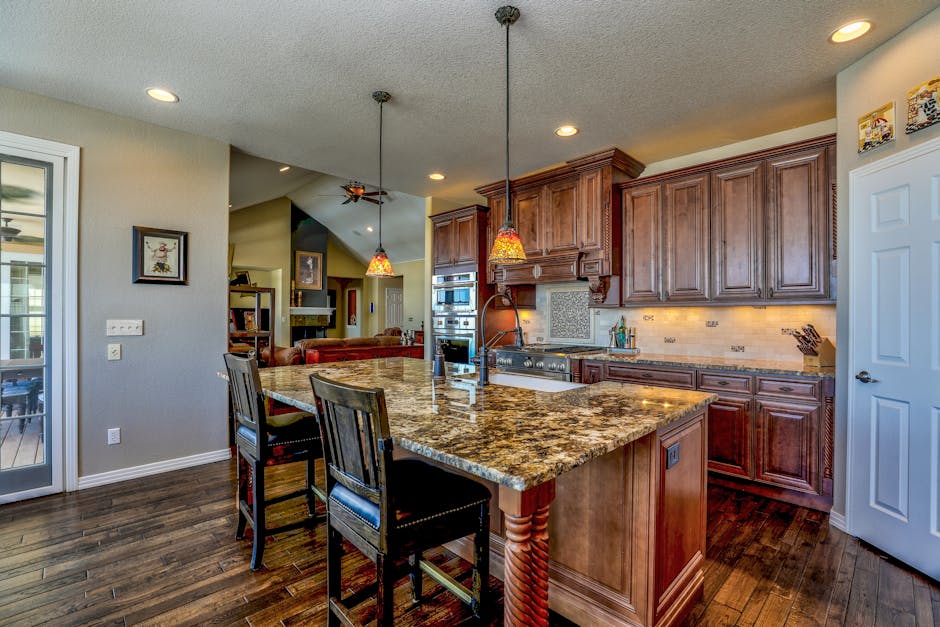
Local real estate agents consistently report that updated kitchens are among the top three features buyers notice first. Fresh, on-trend cabinet colors signal a well-maintained home and can meaningfully boost resale value without triggering the permitting, plumbing, and electrical work that a full remodel requires. In 2026, the Colorado palette has shifted decisively toward warm whites with subtle taupe undertones, matte black on lower cabinets for contrast, and earthy greige that complements the natural stone and wood tones popular in mountain-adjacent design. These finishes are far easier and faster to achieve with paint than through custom cabinet orders, which still face occasional supply chain friction from overseas hardware and specialty wood sourcing.
Speed matters too. Ordering new cabinets can mean waiting eight to fourteen weeks for delivery, plus another week or more for installation. A professional painting crew, by contrast, can transform your kitchen in under a week. For Denver families juggling work, school, and everything in between, that compressed timeline is a decisive advantage.
What Sets Professional Cabinet Painting Apart from DIY (The Real Cost of a Mistake)
Walk through any home improvement store and you will find aisles of paint, brushes, and rollers marketed with before-and-after photos that make DIY cabinet painting look straightforward. The reality is far messier. The gap between a professional finish and even a careful DIY attempt comes down to three things: preparation, equipment, and product chemistry.
Prep is everything. Cabinet painting and refinishing professionals begin by removing every door, drawer front, and hinge, then label each piece so it returns to its exact original location. The surfaces undergo deep cleaning with industrial-grade degreasers that cut through years of cooking residue, something household cleaners simply cannot match. After cleaning comes sanding or liquid deglossing to create a mechanical bond for the primer. Skipping or shortcutting any of these steps is the number one reason DIY paint jobs start peeling within six months, especially around the high-contact zones near handles and lower cabinets.

Equipment separates pros from amateurs just as sharply. Denver-area specialists use high-volume, low-pressure (HVLP) turbine spray systems that atomize paint into a fine, even mist, producing a factory-smooth finish with zero brush marks or roller stipple. They also deploy dust-containment barriers and negative-air setups that prevent overspray from drifting onto countertops, floors, and adjacent rooms. Achieving that level of control with consumer-grade tools is nearly impossible, and the cleanup alone can consume entire weekends.
The durability payoff is where the professional investment truly justifies itself. A properly applied finish using catalyzed polyurethane or conversion varnish can last ten to fifteen years with normal use. DIY latex paint jobs, even those executed with care, often show significant wear, chipping, and yellowing within two to three years. When you factor in the cost of redoing a failed DIY job, the professional route frequently ends up cheaper over a five-year window. Time savings seal the case: while a homeowner working evenings and weekends might take three to six weeks to finish, a professional crew completes a medium kitchen in three to five days, keeping your household disruption to a minimum.
The Hidden Risks of DIY in Colorado’s Climate
Denver’s mile-high altitude and arid climate create finishing conditions that are unlike anything in coastal or low-elevation markets. Low humidity accelerates paint drying at the surface while the underlying layer remains wet, leading to poor adhesion and a condition called blocking, where surfaces feel tacky and stick together long after they should have cured. Professionals adjust their reducer ratios, flash times, and application speeds to compensate for these conditions. They also understand that direct sunlight at altitude can raise substrate temperatures well above the ambient air temperature, which alters how paint flows and levels. Improper ventilation during sanding and spraying introduces respiratory risks, which is why reputable pros use HEPA filtration and offer low-VOC and zero-VOC paint systems suited to occupied homes.
How Much Do Cabinet Painting and Refinishing Professionals Cost in Denver? (2026 Pricing Breakdown)
Pricing transparency is the thing most homeowners crave and the thing most websites avoid. In the Denver metro area, expect to pay between $4,500 and $9,500 for a standard kitchen with roughly 30 linear feet of cabinetry. That range is not a hedge; it reflects real variables in cabinet condition, material type, finish complexity, and the specific paint system used.
Several cost drivers are particular to Colorado. Labor rates for skilled trades in Denver run 10 to 15 percent above the national average, a reflection of the region’s higher cost of living and strong demand for quality contractors. Older homes, and Denver has tens of thousands of them built before 1980, often require additional prep for lead paint containment or for dealing with laminate and thermofoil surfaces that need specialty bonding primers. Both add labor hours and material costs.
Breaking the pricing down by scope gives a clearer picture. A basic refinishing job, which involves sanding down existing stain and applying a new stain and sealant, typically runs $2,000 to $4,500. Full painting with a bonding primer and two spray-applied coats of cabinet-grade paint falls between $4,500 and $8,000. Premium upgrades, including nano-curing technology or conversion varnish systems that deliver furniture-grade durability, push the total to $7,000 to $10,000 or slightly beyond for very large kitchens.
The width of these ranges reflects the number of doors and drawer fronts, the material being painted (solid wood, MDF, thermofoil, or laminate), and whether the project includes painting the cabinet interiors and shelving. A kitchen with 40 doors and drawers will naturally cost more than one with 20. Two-tone designs, where uppers and lowers receive different colors, add masking and spray time. All of these factors should appear clearly in a detailed quote.
Getting an Accurate Estimate in Denver
Most local cabinet painting and refinishing professionals offer free in-home estimates, and you should insist on one rather than accepting a phone or photo-based quote. During the visit, the estimator will measure linear footage, inspect for heavy grease accumulation, and test adhesion on the existing finish. Ask for a line-item breakdown that separates prep labor, materials, paint brand and product line, and warranty terms. A quote that lumps everything into a single number with no detail is a red flag.
The Professional Process: What Denver Cabinet Painting and Refinishing Professionals Do (Step-by-Step)
Understanding the workflow helps you evaluate contractors and set realistic expectations for the project timeline. While individual companies may vary in their exact sequence, the core steps are consistent across reputable Denver providers.
Step one is takedown and labeling. Every door, drawer front, hinge, and pull comes off, and each piece receives a numbered label or tag that corresponds to its cabinet location. This system guarantees that every component returns to its original spot, preserving alignment and reveal gaps.
Step two is deep cleaning and deglossing. A commercial degreaser strips away cooking oils, hand oils, and environmental grime that would otherwise prevent paint adhesion. After cleaning, the surfaces receive a light sanding or a liquid deglosser treatment to create a profile the primer can grip.
Step three is priming and caulking. A high-adhesion, stain-blocking primer goes on first, sealing knots, tannins, and any residual discoloration. The painter then applies a thin bead of caulk at seams and joints, which gets painted over to create a seamless, furniture-grade appearance.
Step four is spray painting in multiple coats. Using a turbine HVLP system, the crew applies two to three thin, even coats of cabinet-grade paint, sanding lightly between coats to knock down any dust nibs or texture. This inter-coat sanding is tedious but essential for a glass-smooth final surface.
Step five is curing and reassembly. Depending on the paint system, cabinets cure for 24 to 72 hours before the crew rehangs doors, installs new or cleaned hardware, and performs a final inspection. During this curing window, you should avoid touching or loading the cabinets.
Advanced Techniques Used by Top Denver Pros
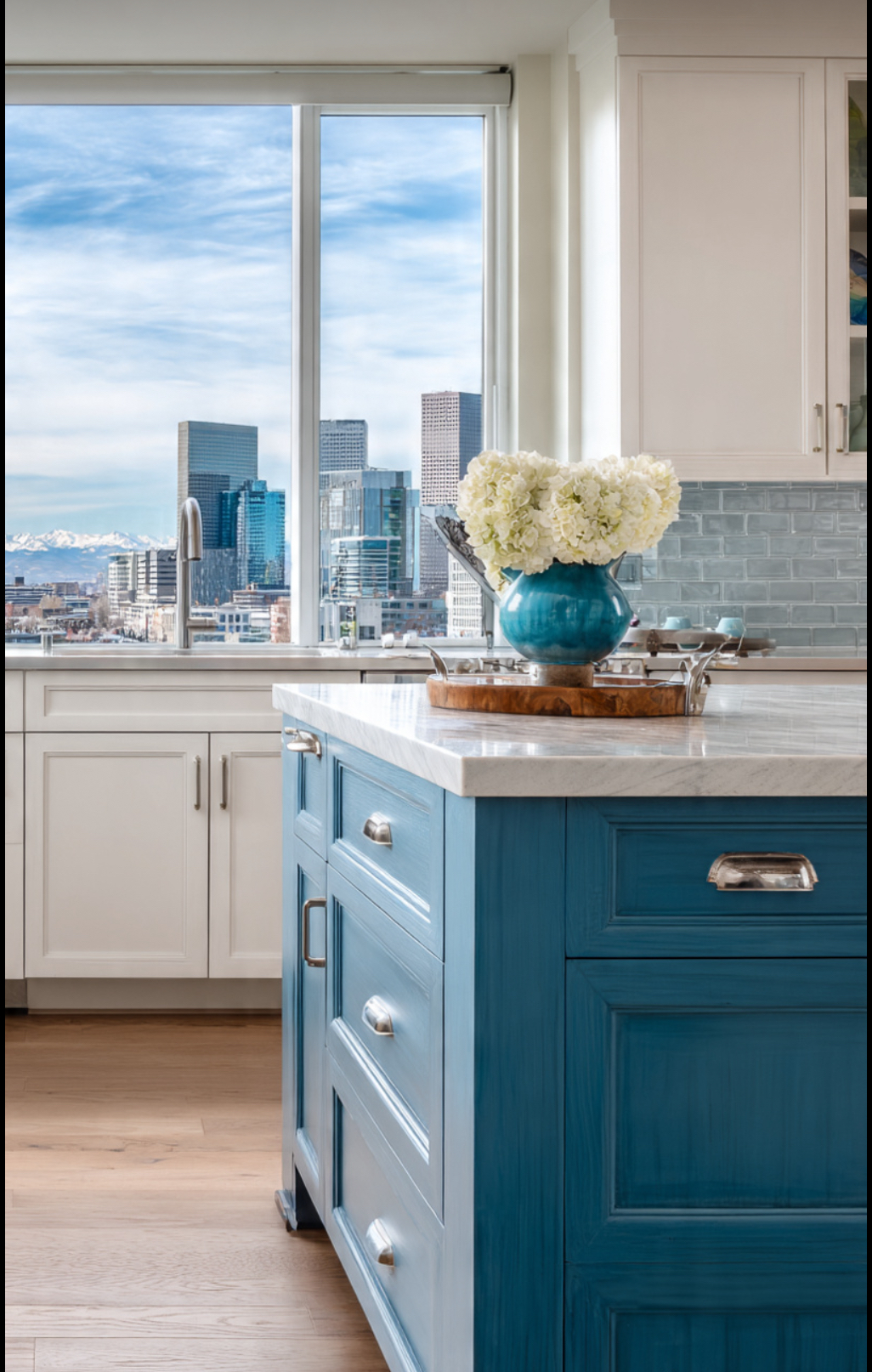
Some Colorado franchises and independent shops now offer nano-curing technology, which uses UV light to cure paint almost instantly. This system allows same-day use of cabinets and eliminates the waiting period entirely. Custom color matching is another premium capability: top-tier cabinet painting and refinishing professionals can match any Sherwin-Williams or Benjamin Moore color, including specialty finishes like cerused oak, glazed highlights, or two-tone designs that pair a dark island with light perimeter cabinets.
How to Choose the Right Cabinet Painting and Refinishing Professional in Denver
Selecting the right contractor is the single most important decision in the entire process. Start by looking for companies that specialize exclusively in cabinet refinishing rather than general painting contractors who take on cabinets as a side offering. Cabinet-focused businesses invest in dedicated spray equipment, curing systems, and ongoing training that generalists rarely match.
Review their portfolio with a critical eye, specifically looking for Denver-area homes similar to yours. A company that has done beautiful work on mid-century ranches in Lakewood or craftsman bungalows in Congress Park understands the local architectural vocabulary and the challenges those homes present. Ask to see close-up photos of door edges, corners, and around hinges, where finish flaws tend to hide.
Warranty terms reveal a lot about a company’s confidence in their work. Top professionals in the Denver market offer a two- to five-year warranty against peeling, cracking, and yellowing. Be wary of any contractor offering less than a one-year guarantee. Verify that the company carries both general liability insurance and workers’ compensation coverage, as Colorado law requires both for licensed contractors. Ask to see certificates before signing anything.
Finally, obtain at least three quotes and compare them not just on price but on the scope of prep work, the specific paint brand and product line, the projected timeline, and the warranty. The lowest bid often cuts corners on prep, which is where the longevity of the finish is determined.
Frequently Asked Questions About Cabinet Painting in Denver
How long does a professional cabinet paint job last in Colorado? With proper preparation and high-quality paint, expect eight to twelve years of service before touch-ups become necessary. Kitchens that see exceptionally heavy use may need attention sooner, while lightly used spaces can go longer.
Can you paint laminate or thermofoil cabinets? Yes, but only with specialized bonding primers designed for non-porous surfaces. Not all cabinet painting and refinishing professionals offer this service, so confirm upfront if your cabinets have these materials. The prep process differs significantly from solid wood and requires specific product knowledge.
Do you need to empty the kitchen during the project? Most professionals recommend removing food items, small appliances, and dishware from the cabinets before work begins. The crew will protect countertops, floors, and appliances with drop cloths and plastic sheeting, but clearing the cabinets speeds the process and protects your belongings.
Is cabinet painting worth it for a rental property? Absolutely. In Denver’s tight rental market, a $5,000 cabinet refresh can justify a $200 to $300 monthly rent increase. The investment typically pays for itself within two years, and the updated look helps attract quality tenants and reduce vacancy time.
Serving the Entire Denver Metro and Surrounding Cities
Denver proper spans a remarkable range of housing stock, from Victorian-era homes in Capitol Hill and Baker to sleek modern condos in Cherry Creek and RiNo. Each presents its own refinishing challenges, and experienced local pros tailor their approach accordingly. Historic homes often have solid wood cabinets worth preserving, while newer condos may feature laminate or thermofoil surfaces that demand specialty primers.
The north metro communities of Westminster, Thornton, and Broomfield are rich with family homes built in the 1990s, many of which still have their original golden oak cabinets. Painting these kitchens in a warm white or soft greige instantly pulls them into the current decade. South of the city, Centennial, Highlands Ranch, and Parker feature larger kitchens with more linear footage, which often require four- to five-day timelines but yield especially dramatic transformations.
The west metro corridor, including Lakewood, Golden, and Evergreen, leans toward mountain-modern aesthetics and log home accents. These projects frequently call for specialized stain matching and low-sheen finishes that complement rustic surroundings. In Boulder and Longmont, eco-conscious homeowners consistently request low-VOC and zero-VOC paint systems, a preference that cabinet painting and refinishing professionals in the area are well-equipped to accommodate with water-based acrylic polyurethane and plant-based solvent alternatives.
Wherever you live in the Denver metro, the right professional brings more than a spray gun. They bring an understanding of local architecture, climate conditions, and design preferences that no out-of-town franchise or DIY tutorial can replicate.