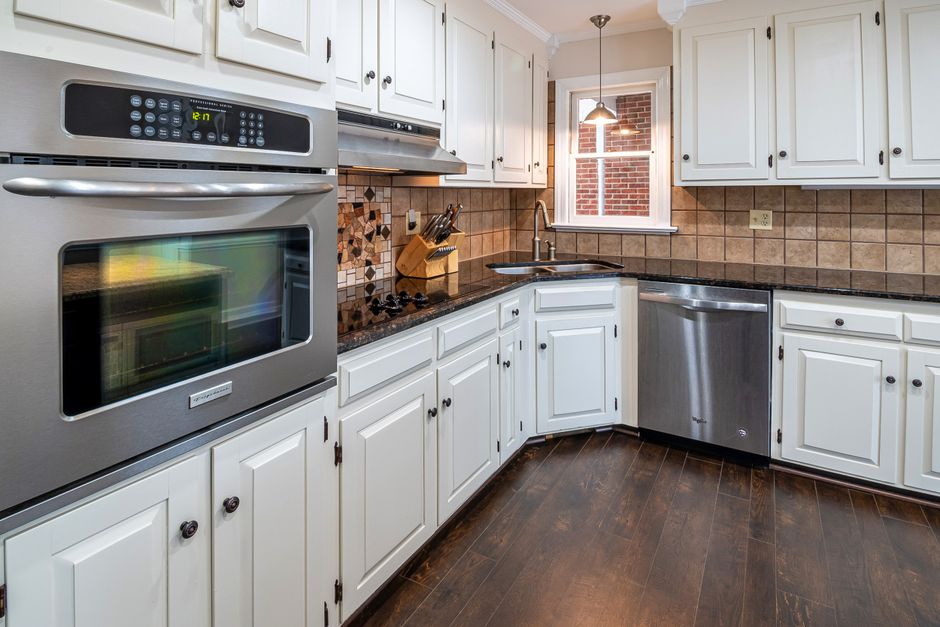
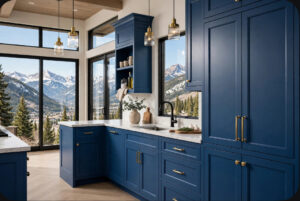
If you are asking, "how long does cabinet painting last professional service," the short answer is 8 to 10 years on average, with top-tier jobs reaching 15 years before a refresh is needed. That number stands in stark contrast to a typical DIY attempt, which often fails in 3 to 4 years due to skipped prep steps and inferior materials. The gap between those two outcomes is not luck. It comes down to technique, product selection, and an honest understanding of how kitchens actually wear over time. This article breaks down exactly what drives that lifespan, what shortens it, and how to make sure your investment reaches the long end of the range.
Table of Contents
- The Real Answer: 8 to 15 Years (And Why the Range Is So Wide)
- 6 Critical Factors That Determine How Long Your Paint Job Lasts
- Professional vs. DIY: The Cost-Per-Year Analysis
- How Long Does the Actual Project Take? (Time Investment Breakdown)
- Does Color Choice Affect Longevity?
- Warranties and Guarantees: What to Ask Your Painter
- Signs It Is Time for a Refresh (When to Repaint)
- Frequently Asked Questions
- Final Takeaway
The Real Answer: 8 to 15 Years (And Why the Range Is So Wide)
The consensus among professional painting companies across the United States is that a professionally painted cabinet job lasts 8 to 10 years under normal use. Some sources extend that estimate to 15 years when conditions are ideal: low humidity, gentle handling, and premium lacquer finishes applied in controlled environments. The range is not a sign of uncertainty. It is a direct reflection of the choices a homeowner makes before and after the paint dries.
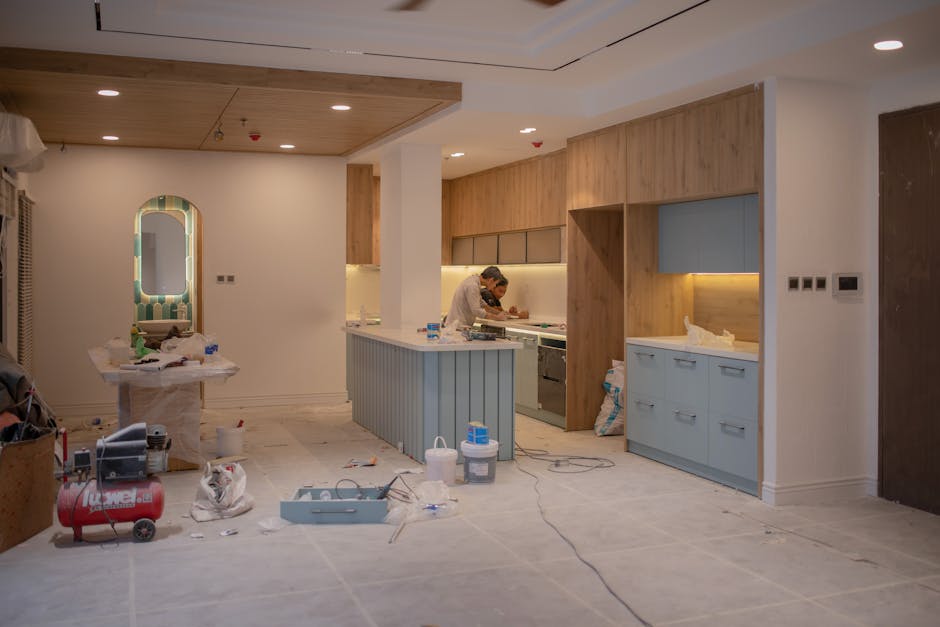
At the low end of the spectrum sits what one industry source calls "the 3-year answer nobody wants to hear." When prep work is rushed, when hardware-store paint replaces cabinet-grade coatings, or when a homeowner skips degreasing entirely, the finish fails catastrophically within 36 months. Peeling near the stove, chipping around knobs, and yellowing on lower doors are the predictable results. The 8-to-15-year window is not automatic. It is earned through the factors detailed below.
6 Critical Factors That Determine How Long Your Paint Job Lasts
1. Surface Preparation (The #1 Longevity Factor)
No single variable matters more than what happens before the first drop of paint touches the wood. Professional cabinet painters spend roughly 60 percent of the total project time on preparation alone. That includes degreasing every surface to remove cooking oils that act as a bond breaker, sanding to create a mechanical profile the primer can grip, filling wood grain to achieve a smooth substrate, and applying two full coats of primer.
Grain filler deserves special attention because it is a step almost no DIY project includes. Open-grain woods like oak have deep pores that telegraph through paint unless filled. When a professional fills and sands those pores flat, the result is a factory-smooth finish that resists chipping because there are no microscopic valleys where stress can concentrate. Skipping this step leaves the paint vulnerable from day one.
2. Paint Quality and Type (Oil vs. Water-Based)
The paint aisle at a big-box store does not stock the same products professional painters spray in their booths. Cabinet-grade coatings like Benjamin Moore Advance and Sherwin-Williams Emerald Urethane are formulated to cure into a harder, more chemically resistant film than consumer latex wall paints. They level better, block stains more effectively, and withstand the thermal cycling that kitchen surfaces endure.
Water-based acrylic latex and acrylic-alkyd hybrids dominate the professional market in 2026 due to low-VOC regulations and easier cleanup, but oil-based enamels still offer a measurably harder shell. The trade-off is that oil-based paints yellow over time, especially in low-light interiors, and they require longer dry times between coats. Lacquer, applied exclusively by spray, sits at the top of the durability pyramid. It cures to a rock-hard finish that resists moisture, grease, and impact better than any water-based alternative, but it demands professional ventilation and spray equipment. For a homeowner targeting a 15-year lifespan, lacquer is the material of choice.
3. Application Method (Spray vs. Brush/Roll)
How the paint lands on the cabinet matters as much as what is in the can. Professional spray application lays down a uniform, thin film that bonds evenly and cures without brush marks or roller stipple. Those textures are not cosmetic flaws. They create ridges where dirt, grease, and cleaning chemicals accumulate, accelerating wear at the microscopic level.
Professional crews build containment zones using zipper walls, plastic sheeting, HEPA dust extractors, and window fans that create negative air pressure. This keeps airborne dust from settling into wet paint and ensures a clean cure. The contrast with a DIY brush-and-roller project is stark. Real homeowner reports document 46 hours of labor spread across multiple weekends, with results that show brush strokes and uneven sheen. The time savings alone make professional spraying a value proposition, but the longevity difference is the real payoff.
4. Kitchen Traffic and Location
Not all cabinet doors age at the same rate. The trash pull-out, the sink base, and the doors flanking the stove take a beating that perimeter uppers never experience. Heat and steam from cooking soften paint films over time, making them more susceptible to scratching. Grease aerosolizes during frying and settles as a tacky film that, if not cleaned regularly, hardens into an abrasive layer that grinds into the finish with every touch.
My Review of Graco FFLP Tips for Spraying Cabinets
Professional painters advise clients to expect touch-ups in these high-traffic zones around year 7 or 8, even on an otherwise pristine job. The good news is that a professional who keeps detailed color records can match the original sheen and hue for spot repairs that blend invisibly. Planning for this reality at the outset makes the eventual maintenance feel like routine upkeep rather than a failure of the paint job.
5. Climate and Humidity
Geography plays an underdiscussed role in paint longevity. Colorado's dry climate is actually favorable for cabinet painting because low ambient humidity allows water-based coatings to cure harder and faster. Moisture is the enemy of adhesion, and arid conditions reduce the risk of the wood substrate swelling and contracting through seasonal cycles.
View Our Cabinet Refinishing Services
In high-humidity states along the Gulf Coast or in Florida, the same paint job may degrade 2 to 3 years sooner. Constant moisture exposure softens the paint film and promotes mildew growth at the interface between coating and wood. Homes without air conditioning see the fastest deterioration. For readers in humid regions, specifying a moisture-resistant primer and a topcoat with built-in mildew inhibitors is worth the upcharge. The 8-to-10-year estimate assumes a climate-controlled interior. Remove that variable, and the timeline compresses.
6. Cleaning and Maintenance Habits
The way a homeowner cleans their cabinets directly affects how many years the finish lasts. Harsh chemicals, including bleach sprays, ammonia-based cleaners, and abrasive scrubbing pads, strip the paint's protective top layer and dull the sheen within months. Once the sheen is gone, the underlying pigment is exposed and vulnerable.
The recommended cleaning method is simple: a soft microfiber cloth dampened with warm water and a drop of mild dish soap. Wipe in the direction of the wood grain, dry immediately with a separate cloth, and never let water pool on horizontal surfaces. Spills near the sink and stove should be wiped up the same day. Cabinets are not countertops. They are not designed for standing water. Consistent gentle cleaning can add 2 to 3 years to the lifespan of a professional paint job, pushing a 10-year finish toward the 12- or 13-year mark.
Professional vs. DIY: The Cost-Per-Year Analysis
A missing piece in most cabinet painting discussions is the annualized cost. When the numbers are spread across the expected lifespan, the value proposition of professional work becomes clear.
A professional cabinet painting job for an average kitchen costs between $4,000 and $8,000 in 2026, depending on kitchen size, door count, and finish level. Spread across a conservative 10-year lifespan, that is $400 to $800 per year. A DIY job costs $500 to $1,500 in materials alone, but it fails in 3 to 4 years, yielding an annual cost of $125 to $500. That looks cheaper on paper until the 46 hours of labor are factored in. At even a modest hourly rate, the DIY route costs more in total value, and the result is a finish that shows brush strokes and wears unevenly.
Full cabinet replacement runs $10,000 to $20,000 for a mid-range kitchen. Over 20 years, that is $500 to $1,000 per year, comparable to professional painting but with a much higher upfront outlay. Professional painting offers the best balance of cost, durability, and disruption. It delivers a factory-finish look at roughly half the price of new cabinets, with a lifespan that makes the annual cost entirely reasonable.
How Long Does the Actual Project Take? (Time Investment Breakdown)
A professional crew can transform a medium-sized kitchen with 10 to 15 doors in three days. Day one covers door and hardware removal, degreasing, sanding, and priming. Day two is the first topcoat application, followed by light sanding between coats to ensure adhesion. Day three brings the second and sometimes third coat, depending on the product, plus reinstallation and hardware alignment.
Larger kitchens with islands, pantry banks, or custom color matching may extend the timeline to five or seven days. The key difference from DIY is compression. A homeowner spreading the same work across evenings and weekends reports 46 hours of active labor, often stretched over two weeks. During that time, the kitchen is in a state of disarray, doors are stacked in the garage, and the family is eating takeout. The professional timeline is not just faster. It is a fundamentally different experience.
Does Color Choice Affect Longevity?
Color does not change the chemical durability of the paint film, but it does change how wear is perceived. Darker colors like navy, charcoal, and black show scratches and chips more visibly because the underlying wood or primer is lighter. The damage is not worse. It is simply more noticeable. White and light-colored cabinets hide minor wear better, but they present a different issue: oil-based whites yellow over time as the alkyd resin oxidizes, especially in low-light conditions.
Sheen level has a more direct impact on longevity than color. High-gloss finishes are harder and less porous than matte or satin sheens, making them more resistant to moisture and easier to clean. A high-gloss lacquer in any color will outlast a matte finish in the same color simply because the surface is less vulnerable to abrasion. Homeowners who want maximum lifespan should prioritize sheen over hue.
Warranties and Guarantees: What to Ask Your Painter
Warranty information is conspicuously absent from most online cabinet painting content, yet it is one of the most practical questions a homeowner can ask. Most reputable professional painters offer a workmanship warranty of one to three years that covers peeling, bubbling, and chipping caused by preparation or application errors. This warranty does not cover normal wear and tear, damage from cleaning chemicals, or impact damage, but it provides a safety net against the catastrophic early failures that plague DIY jobs.
Paint manufacturer warranties from companies like Sherwin-Williams cover product defects, such as premature yellowing or adhesion failure traceable to the coating itself. They do not cover application errors. A homeowner should ask for a written warranty that explicitly states coverage terms, duration, and any exclusions for high-traffic areas. If a painter cannot provide one, that is a red flag.
Signs It Is Time for a Refresh (When to Repaint)
Painted cabinets rarely fail everywhere at once. The first signs appear at the edges: chipping around door perimeters, peeling near handles, and hairline cracks along panel joints. Yellowing on older oil-based finishes is another early indicator, particularly on lower cabinets that receive less natural light. Burnished or shiny spots develop where repeated cleaning has polished the paint surface, altering the sheen and creating an uneven appearance.
UV damage shows up as fading or discoloration on doors near windows. Once these signs appear in multiple locations, the entire job is approaching the end of its service life. Spot repairs can extend the timeline by a year or two, but a full repaint is the only way to restore a uniform appearance. The general rule is that when the paint is failing in one area, the rest of the kitchen is not far behind.
Frequently Asked Questions
How long does cabinet painting last professional service vs. DIY?
A professional job lasts 8 to 10 years on average, with premium applications reaching 15 years. DIY jobs typically fail in 3 to 4 years due to inadequate preparation and lower-grade materials.
Can I make my painted cabinets last 15 years?
Yes. Achieving the 15-year end of the range requires professional spray application, cabinet-grade lacquer or urethane paint, thorough grain filling and priming, a climate-controlled kitchen, and consistent gentle cleaning.
Is cabinet painting worth it in 2026?
Yes. Professional cabinet painting costs roughly half the price of full replacement while delivering a comparable aesthetic update and a lifespan that makes the annual cost competitive with buying new cabinets.
Do I need to repaint all cabinets at once?
Yes. Even if only some doors show wear, painting only a subset creates visible color and sheen mismatches. Paint ages and shifts subtly over time, and matching aged paint exactly is nearly impossible.
How much does professional cabinet painting cost in Colorado?
For an average kitchen in Colorado, professional cabinet painting ranges from $4,000 to $8,000 in 2026, depending on kitchen size, door count, and finish specifications.
Final Takeaway
Professional cabinet painting lasts 8 to 10 years under normal conditions and up to 15 years when premium materials and meticulous preparation align. The investment pays for itself when spread across a decade, delivering a factory-finish look at a fraction of replacement cost. The difference between a 3-year failure and a 15-year success comes down to the factors outlined above: preparation, paint quality, application method, and ongoing care. For Colorado homeowners ready to transform their kitchen with a finish built to last, Cabinet Painting Colorado offers free consultations and written warranty estimates that take the guesswork out of how long does cabinet painting last professional service.