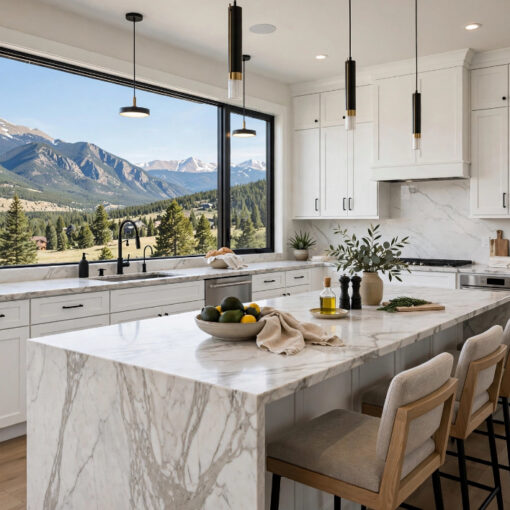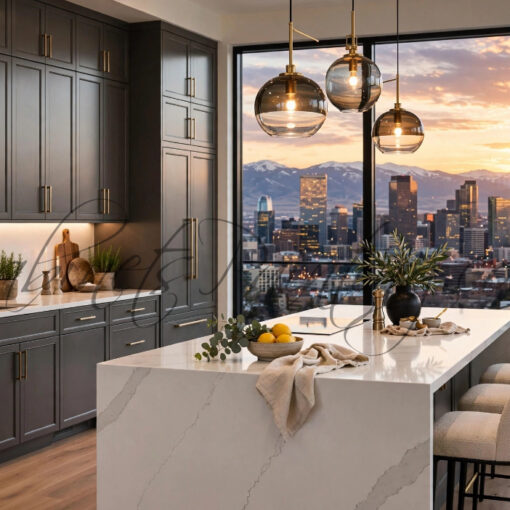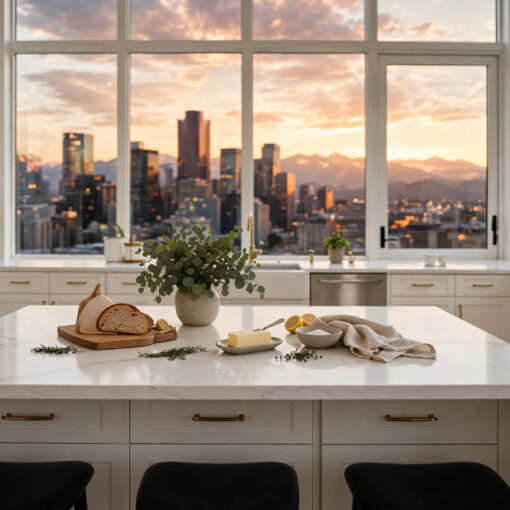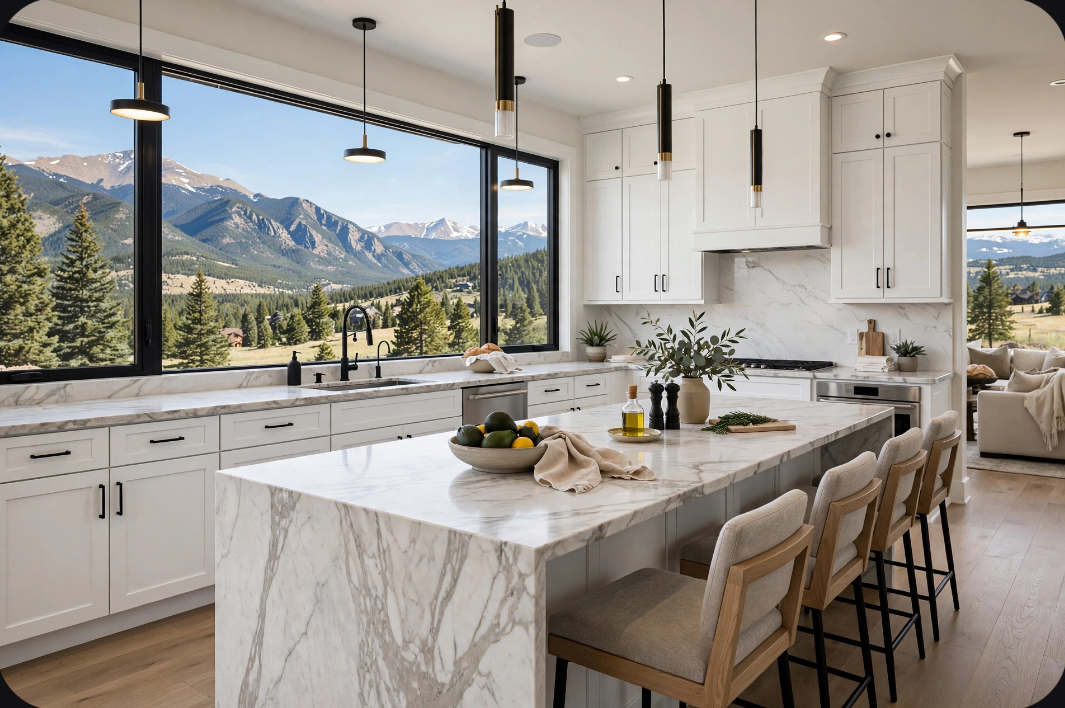
If you have spent hours scrolling through kitchen inspiration photos, you already know the dilemma. Your oak cabinets are solid, well-built, and likely original to a home that has good bones. But the dark honey tones feel dated, and you want the bright, airy look that defines modern Denver design. You are not alone in researching white oak cabinet painting in Denver. The good news is that you do not need to spend $25,000 on a full replacement. A professional refinish can transform your kitchen for a fraction of that cost, often in less than a week. This guide breaks down the real numbers, the process, and what separates a lasting factory-quality finish from a weekend project you will regret.
Table of Contents
- Why Denver Homeowners Are Painting White Oak Cabinets (2026 Trends)
- The Real Cost of White Oak Cabinet Painting in Denver
- Professional vs. DIY: The Quality Gap You Need to Know
- The Professional Process: What to Expect From Start to Finish
- Timeline and Convenience: How Long Will Your Kitchen Be Disrupted?
- Choosing the Right Denver Cabinet Painting Professional
- White Oak Finish Options: Beyond Basic White
- Frequently Asked Questions About White Oak Cabinet Painting
- Conclusion and Next Steps
Why Denver Homeowners Are Painting White Oak Cabinets (2026 Trends)
White oak has a unique advantage over maple or MDF. Its warm undertones mean that even under a coat of white paint, the wood retains a subtle depth and character that feels intentional rather than stark. That quality fits perfectly with Denver's current design language, which blends mountain modern warmth with urban minimalism. Homeowners want light, reflective interiors that maximize natural light and frame the mountain views outside their windows. White oak cabinets bridge the gap between a rustic lodge aesthetic and a sleek contemporary kitchen.

The financial case is just as compelling. Construction material prices have surged roughly 34 percent in recent years, pushing full kitchen remodels further out of reach for many families. Refinishing costs approximately 70 percent less than replacement, which can easily exceed $25,000 for a full tear-out and install. In Colorado's competitive housing market, a white kitchen remains one of the highest-ROI upgrades you can make. Buyers consistently rank updated kitchens as a top priority, and a professionally refinished white oak kitchen delivers that appeal without the six-figure remodel price tag.
The Real Cost of White Oak Cabinet Painting in Denver
Professional oak cabinet refinishing in Colorado typically runs between $3,500 and $8,500 for an average 10-by-10-foot kitchen. That is a wide range, and the final number depends on several factors you should understand before requesting quotes.
What are you actually paying for? Labor dominates the estimate. Spray application, surface preparation, and grain filling are time-intensive tasks that require skill and patience. Materials make up the next portion, including primer, cabinet-grade paint or lacquer, and topcoat. Finally, expect line items for hardware removal and reinstallation, as well as protection of floors, countertops, and appliances.

Grain filling is the premium add-on that matters most for white oak. Oak has a deep, porous grain that shows through paint if not properly filled. Without this step, you get a textured, almost orange-peel surface that looks amateur. Filling the grain smooths the wood so the final white finish appears sleek and modern. It is labor-intensive, which is why some low bids skip it entirely. Be wary of quotes that seem too good to be true. A provider using house paint instead of cabinet-grade finishes, or skipping proper prep, will deliver a result that chips and yellows within a year.
Get three to four itemized quotes from Denver-area providers. Compare not just the bottom line, but what each quote includes. A $4,000 bid that omits grain filling and uses latex paint is not a better deal than a $6,500 bid that includes full prep and a conversion varnish. The goal is a finish that lasts 10 to 15 years, not one that needs redoing in three.
Professional vs. DIY: The Quality Gap You Need to Know
The internet is full of DIY tutorials promising a white oak transformation for under $500. The reality is that most DIY painted oak cabinets look exactly like what they are: weekend projects. Brush strokes, uneven coverage, and paint that chips or yellows within months are the common outcomes. Oak is unforgiving. Its deep grain holds paint unevenly, and without proper filling and priming, the texture telegraphs through every coat.
Professional spray application creates a smooth, factory-like finish that brushes and rollers simply cannot achieve. The atomized paint lays down in thin, even layers that cure to a hard, uniform surface. Material choice matters just as much. Professionals use low-VOC lacquers, polyurethane blends similar to those used on hardwood floors, or conversion varnishes. These products are engineered for durability and adhesion. Latex house paint is not.
The hidden differentiator is surface preparation. Cleaning, sanding, priming, and grain filling consume roughly 60 percent of the project timeline but determine 90 percent of the final quality. If you are handy and patient, DIY can work for a small project like a single bathroom vanity. For a full kitchen, the risk of a costly do-over outweighs the savings. One botched DIY job often costs more to fix than hiring a professional from the start.
The Professional Process: What to Expect From Start to Finish
Step 1 – Assessment and Quote
A professional begins by measuring your kitchen and inspecting cabinet condition. They look for grease buildup, water damage, failing finish, and loose joinery. You receive a detailed quote covering scope, timeline, and finish options. This is the moment to ask about grain filling and UV-cured finishes, both of which affect the final look and durability.
Step 2 – Preparation and Protection
Cabinets are either removed or masked off. Floors, countertops, and appliances get covered with plastic and tape. Surfaces are cleaned with degreasers to remove cooking residue, then sanded to create adhesion. Damaged areas are repaired with wood filler. This step is unglamorous but essential.
Step 3 – Grain Filling and Priming
For white oak, grain filling is the critical step. The filler smooths the porous texture so the final white finish looks sleek, not textured. A high-quality primer is then applied and sanded. This creates the foundation for a durable, chip-resistant topcoat. Skipping primer is a common shortcut that leads to peeling and discoloration.
Step 4 – Spray Application and Curing
Multiple thin coats of paint or lacquer are applied using professional spray equipment in a dust-controlled environment. Thin coats prevent drips and ensure even coverage. Advanced providers use UV curing technology, such as Lightspeed Nano, for instant hardening. This means your cabinets are ready faster and more resistant to scratches. A final inspection ensures even coverage, smooth finish, and proper hardware reinstallation.
Timeline and Convenience: How Long Will Your Kitchen Be Disrupted?
A standard professional project for painting oak cabinets white in Denver takes 5 to 7 business days from start to finish. Some providers advertise 2 to 5 day turnarounds using accelerated curing methods. You will have limited kitchen access during the project. Plan meals around a temporary setup with a microwave, slow cooker, or a few nights of takeout.
Most work happens on-site, so there is no need to move out. You will need to clear countertops and empty cabinets near the work area. Ask your provider about their curing process. Traditional air-drying means cabinets are functional sooner, while UV curing offers instant hardness for immediate use. The total disruption is a fraction of a full remodel, which can take 4 to 8 weeks and require living without a kitchen entirely.
Choosing the Right Denver Cabinet Painting Professional
Look for providers with 10 or more years of experience specifically in cabinet refinishing. General painters who do cabinets sometimes lack the specialized skills for oak's unique challenges. One leading Denver provider has operated since 1979, a strong signal of reliability. Verify licensing, insurance, and warranties. A three-year warranty on labor and materials is a solid industry benchmark.
Ask for before-and-after photos of white oak projects specifically. Oak's grain presents challenges that not every painter handles well. Confirm service area coverage for your specific Denver metro neighborhood, whether that is Aurora, Parker, Highlands Ranch, Centennial, Littleton, Greenwood Village, or Cherry Hills. Read reviews for mentions of cleanliness, communication, and adherence to timelines. These factors matter as much as the final finish quality.
White Oak Finish Options: Beyond Basic White
Not all white is the same. Warm whites with ivory or cream undertones create a cozy, inviting feel. Cool whites like pure white or snow read as crisp and modern. Whites with gray undertones, often called greige, bridge the two. Your kitchen's lighting and hardware should guide the choice.
Finish sheen matters too. Matte hides imperfections but shows fingerprints. Satin is the most popular for durability and easy cleaning. Semi-gloss offers maximum scrub resistance. Ask about scratch-resistant topcoats, especially if you have kids, pets, or heavy daily use. Some providers offer grain filling for a completely smooth finish, while others can leave a subtle grain texture for a more natural whitewashed aesthetic. A professional can show you sample boards to test in your actual kitchen lighting before you commit.
Frequently Asked Questions About White Oak Cabinet Painting
How long will the finish last? With proper prep and professional-grade materials, expect 10 to 15 years before needing a refresh. UV-cured finishes may last longer.
Can you paint oak cabinets white without grain showing? Yes. Grain filling is the key. Without it, the porous oak texture remains visible through the paint.
Is painting or refacing better for oak cabinets? Painting is more affordable and preserves your existing cabinet boxes. Refacing replaces doors and drawer fronts for a completely new look.
Are low-VOC finishes safe for my family? Professional-grade low-VOC products are safe once cured. Discuss ventilation and timing with your provider if you have sensitivities.
Do you need to remove cabinets to paint them? No. Professional spray finishing is done on-site with cabinets in place, though doors are often removed for spraying.
Conclusion and Next Steps
White oak cabinet painting in Denver costs between $3,500 and $8,500, takes 5 to 7 days, and delivers roughly 70 percent savings versus replacement. The key differentiators to prioritize are grain filling, spray application, professional-grade finishes, and a provider with verifiable oak-specific experience.
Your next step is to schedule free estimates from two to three reputable Denver providers. Compare itemized quotes, timelines, and warranties before committing. Do not settle for a good enough finish. White oak cabinets are a long-term investment in your home's beauty and value, and the right professional will deliver a result you enjoy every day for years to come.