Denver kitchens put cabinet paint through real punishment. Cooking heat, steam, daily opening and closing, and the dry mountain air all test the finish on cabinet doors and drawer fronts. Homeowners planning a kitchen update for 2026 are asking the same question: which cabinet paint finish durability actually holds up after years of use, not just in the first few weeks after the painter leaves. The answer depends on the coating chemistry, the sheen, and the application method.
What Makes a Cabinet Paint Finish Durable?
Durability starts with the paint itself. Water-based paints have become a strong option for cabinet work because they dry quickly, which lets the job move faster, and they form a hard, durable film once cured. That fast dry time also reduces the chance of dust landing in fresh paint, a real benefit in Denver homes where forced-air heating can stir up fine particles.
Drying time is only half the story. A cabinet can feel dry to the touch in hours, but the coating continues to harden for weeks. For a factory-smooth, long-lasting finish, each coat needs about 24 hours of dry time before the next one goes on, and the cabinets should avoid heavy use for at least two to three weeks after the final coat. That curing period is where many do-it-yourself jobs go wrong. The paint looks finished, so the kitchen goes back into service, and the half-cured surface gets marred by the first round of scrubbing or dish stacking.
The Most Durable Kitchen Cabinet Finishes Compared
Professional finishing options fall into a few categories, and each one behaves differently in a kitchen environment. Research on the most durable kitchen cabinet finishes consistently points to polyurethane, conversion varnish, and water-based polycrylic as the leading paint and coating systems. Laminate and thermofoil appear on the same list, but those are manufactured surfaces applied over cabinet doors in a factory, not paint finishes that can be brushed or sprayed in a home.
| Finish Type | What It Is | Durability Profile |
|---|---|---|
| Polyurethane | A tough coating available in water-based and oil-based formulas | Forms a hard, moisture-resistant film that handles daily kitchen use |
| Conversion Varnish | A professional-grade coating often used in cabinet shops | Cures to a hard, chemical-resistant surface with a factory look |
| Water-Based Polycrylic | A clear protective topcoat applied over painted surfaces | Adds a durable, clear shield that dries without yellowing |
| Laminate | A manufactured surfacing material bonded to cabinet doors | Highly durable and easy to clean, but not a repaint option |
| Thermofoil | A vinyl wrap fused to cabinet doors under heat | Seamless and moisture-resistant, but factory-applied only |
For homeowners who want to keep their existing cabinets and repaint them, polyurethane, conversion varnish, and polycrylic are the practical choices. Laminate and thermofoil are worth understanding because they explain why some factory-made cabinets resist wear so well, but they are not part of a cabinet painting project.
Satin: The Sheen That Balances Looks and Wear
Sheen level is not just about appearance. It changes how the finish performs when hands, food splatter, and cleaning products come into contact with it. Satin is a favorite sheen for cabinet paints because it hides fingerprints well, adds some extra durability, and does not come across as overly shiny. That middle ground makes it a natural fit for kitchens where cabinets get touched constantly.
Flatter sheens show every fingerprint and smear, which is why they are rarely recommended for cabinet doors that get handled dozens of times a day. High-gloss sheens are durable and easy to wipe clean, but they also show dust, streaks, and surface imperfections more readily. Satin sits between those extremes, offering a finish that stays presentable longer and resists the visible wear that makes kitchens look tired.
For 2026, the trend in Denver kitchens is leaning toward finishes that look clean without a lot of maintenance. Satin delivers on that expectation, which is why it remains a top recommendation for sprayed cabinet work.
Why White Cabinets Need a Yellowing-Resistant Finish
White cabinets are a staple of Denver kitchen remodels, but not every white paint ages gracefully. Some white finishes develop a warm yellow tint over time, especially in kitchens with natural light, cooking heat, and exposure to oils in the air. That color shift is a durability problem as much as a cosmetic one.
CAB acrylics are among the most durable white finishes available, and they will not yellow over the life of the finish. Two-component systems, commonly called 2K coatings, and CAB acrylics are widely regarded as the most durable whites you can get. When a homeowner asks for white cabinets, the choice of paint system matters just as much as the shade of white. A finish that resists yellowing keeps the kitchen looking fresh for years, while a lesser product slowly drifts off-color.
Professional cabinet painters who spray factory-grade finishes typically reach for 2K polyurethane or precatalyzed lacquer for white kitchens. These coatings combine hardness with color stability, which is exactly what a busy family kitchen needs.
Sprayed Finishes vs. Hand-Applied Paint
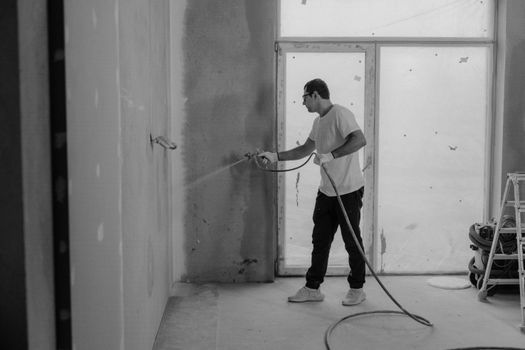
Application method is the final piece of the durability puzzle. A sprayed finish lays down in a thin, even film that dries harder and smoother than a brushed or rolled coat. Spraying eliminates brush marks, roller stipple, and uneven spots where a fast-wearing layer of paint hides just below the surface.
Dust control matters during spraying. A dustless, HEPA-sanded preparation step keeps the surface clean before the first coat goes on, which prevents contaminants from being sealed into the finish. In Denver, where the air is dry and dusty, that preparation step is one reason sprayed finishes last longer than a weekend do-it-yourself paint job.
Specialist cabinet painting companies in the Denver metro area, including Aurora, Lakewood, Littleton, Arvada, and Boulder, apply factory-grade finishes with spray equipment rather than brushes. That approach is what separates a cabinet-specific painter from a general house painter. The finish looks smoother, cures harder, and holds up to the same wear that a factory cabinet finish would handle.
Cabinet Paint Finish Durability in Denver Kitchens
Denver homes built in past decades often feature oak cabinets that are structurally sound but visually dated. White oak and golden oak cabinets respond well to painting, especially when the painter uses grain-filling techniques to create a smooth surface before spraying. The result is a cabinet that keeps its original frame and layout but gains a finish designed to last.
For 2026, homeowners are also exploring two-tone kitchen color designs, where upper and lower cabinets get different colors. Two-tone work puts even more pressure on the finish, because contrasting colors make any fading, chipping, or yellowing more obvious. Choosing a durable sprayed finish from the start prevents those problems from showing up later.
The durability conversation always comes back to expectations. A cheap paint job done in a weekend can look acceptable in photos but fail within months. A factory-grade sprayed finish, applied with proper dry time between coats and a full curing period, is designed to handle the realities of family life. That is the standard worth asking for when you get estimates for cabinet painting in Denver.
Questions to Ask Before Choosing a Cabinet Finish
- How long will each coat dry before the next one is applied? A full 24 hours per coat is the benchmark for a factory-smooth finish.
- How long must the kitchen stay out of heavy use after the final coat? The finish needs at least two to three weeks to cure fully.
- What sheen do you recommend? Satin balances fingerprint resistance, durability, and a low-shine look.
- If I choose white, will the finish resist yellowing? CAB acrylic and 2K systems are the most durable white finishes available.
- Will the cabinets be sprayed or brushed? Spraying produces the thin, even film that holds up best over time.
Frequently Asked Questions
What is the most durable finish for kitchen cabinets?
Polyurethane, conversion varnish, and water-based polycrylic are among the most durable kitchen cabinet finishes. Laminate and thermofoil are also durable, but they are factory-made surfaces rather than paint finishes. For repainting existing cabinets, a sprayed polyurethane or conversion varnish provides the hard, long-wearing surface that handles daily kitchen use best.
Why is satin a popular sheen for cabinet paint?
Satin is a favorite cabinet paint sheen because it balances practicality and appearance. It hides fingerprints well, offers additional durability compared to flatter sheens, and avoids the highly shiny look that many homeowners do not want. In a busy kitchen, satin keeps cabinets looking clean with less frequent wiping and polishing.
How long should cabinet paint cure before heavy use?
Cabinet paint should dry for about 24 hours per coat, and the finished cabinets should wait at least two to three weeks before heavy use. Even when the surface feels dry, the coating continues to harden. Avoiding aggressive cleaning, heavy dish loads, and rough handling during that period helps the finish reach full durability.
Does white cabinet paint yellow over time?
Some white paints develop a yellow tint, but CAB acrylics will not yellow and are considered among the most durable whites available. Two-component 2K systems and CAB acrylics are the most durable white finishes you can get. Asking your painter about yellowing resistance is important for any white kitchen project.
Are sprayed cabinet finishes better than brushed paint?
Sprayed cabinet finishes dry to a smoother and more even film than brushed paint, which is why professional cabinet painters use spray equipment. A sprayed finish eliminates brush marks and produces a factory-grade surface that wears more evenly over time. Brushed paint can work, but it is harder to match the hardness and consistency of a sprayed, cured finish.
Cabinet paint finish durability in Denver comes down to choosing the right coating, the right sheen, and the right painter. Satin finishes, water-based fast-drying paints, and yellowing-resistant white systems are the standouts for 2026. A sprayed factory-grade finish, with patient drying and curing time, gives Denver homeowners the smoothest surface and the longest service life from their kitchen cabinets.