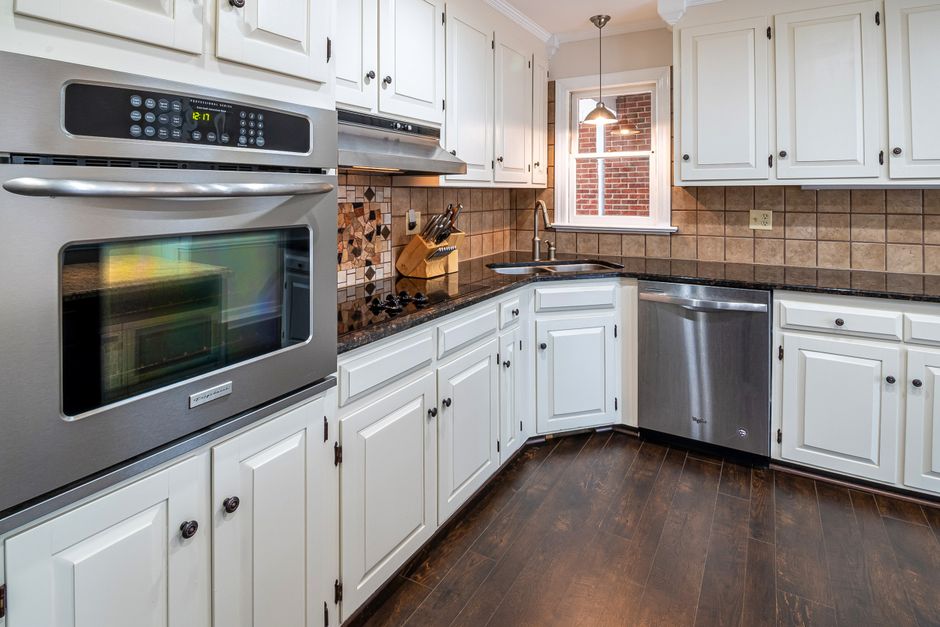
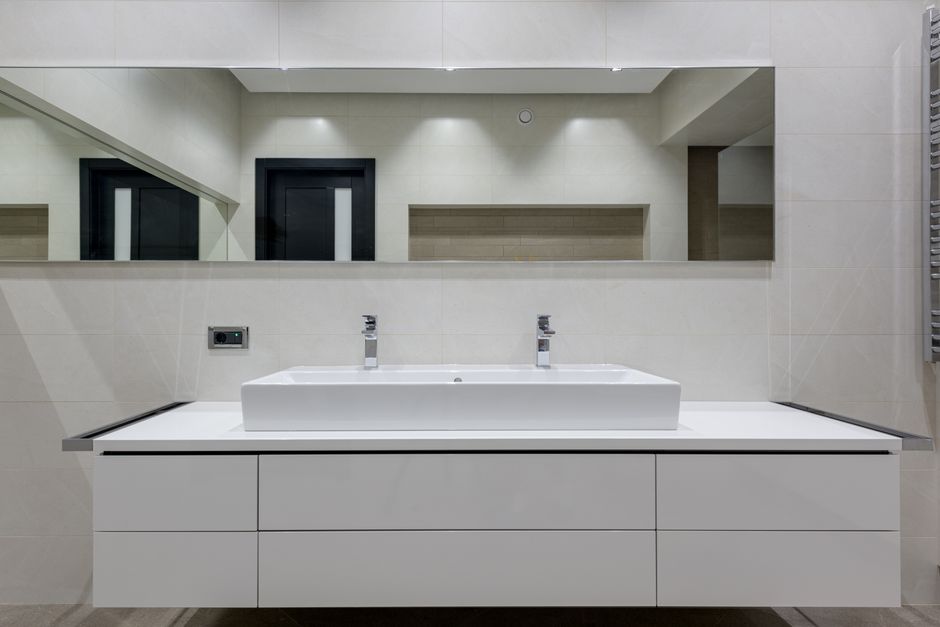
If you are researching cabinet painting with factory finish in Denver CO, you likely want the look of new cabinets without the $15,000-plus price tag of a full remodel. This guide explains exactly how professionals achieve that smooth, durable look and why it matters for your home. By the time you finish reading, you will understand the process, the realistic costs, the color trends shaping Denver kitchens in 2026, and how to choose a contractor who will deliver results that last a decade or more.
Table of Contents
- Why "Factory Finish" Matters for Your Denver Kitchen
- The Cost of Cabinet Painting with Factory Finish in Denver (2026 Pricing)
- The Process: How Professionals Achieve a Factory Finish in Denver
- DIY vs. Professional Factory Finish: A Denver Homeowner’s Reality Check
- Color Trends for Denver Kitchens in 2026
- How to Choose the Right Cabinet Painting Company in Denver
- Frequently Asked Questions About Cabinet Painting in Denver
- Get Your Free In-Home Estimate in Denver
Why "Factory Finish" Matters for Your Denver Kitchen
A factory finish is not a special type of paint. It is a process. The term describes a multi-stage application method that replicates what happens inside a cabinet manufacturing plant: spray application of industrial-grade coatings in a controlled environment, followed by a curing phase that hardens the finish at a molecular level. The result is a surface free of brush marks, roller stipple, and uneven sheen. When done correctly, the cabinets look like they arrived that way from a high-end factory.
Denver’s climate makes this process particularly important. Colorado’s dry air, intense high-altitude UV exposure, and wide temperature swings cause standard paint to crack, fade, or yellow faster than it would in more humid, lower-elevation regions. A factory-grade finish uses coatings formulated to resist these specific stressors. The cured surface expands and contracts with the wood without separating, and the UV-stable pigments hold their color even in sun-drenched kitchens.
The return on investment is another reason Denver homeowners choose this route. Factory finish cabinet painting is consistently cited as one of the highest ROI upgrades for kitchens and bathrooms in the Mountain region, often recouping 70 to 80 percent of the cost at resale. For a fraction of what new cabinets cost, you get the "new cabinet" illusion: a smooth, even coating that eliminates the telltale signs of a repaint and makes the kitchen feel entirely refreshed.
The Cost of Cabinet Painting with Factory Finish in Denver (2026 Pricing)
National data suggests cabinet painting costs range from $300 to $1,200 for an average kitchen, with large or complex projects reaching $5,000 or more. Those figures are a starting point, but they do not tell the full story for Denver homeowners in 2026. Local labor rates, the sheer number of doors and drawers in a typical Colorado kitchen, and the finish technology a company uses all push real-world pricing toward the middle and upper end of that spectrum.
A straightforward kitchen with 20 to 25 doors and drawers, painted in a single color with a standard spray finish, typically falls in the $2,500 to $4,500 range in the Denver metro area. Larger kitchens with islands, custom hoods, and extensive trim work can reach $6,000 to $8,000. Premium finishes, including UV-cured coatings that harden instantly and eliminate days of curing time, add to the total but deliver measurably better durability.
Compare those numbers to a full cabinet replacement, which in Denver runs anywhere from $15,000 to $35,000 or more depending on the size of the kitchen and the quality of the cabinets. Painting costs roughly one-third to one-fifth of replacement. That gap is why so many homeowners choose to paint rather than replace, especially when the existing cabinet boxes are structurally sound.
Most Denver companies require a free in-home estimate for an exact quote. This is not evasiveness. It reflects the reality that every kitchen is different. Door profiles, existing finish condition, and accessibility all affect labor hours. A true factory finish, sprayed and cured with professional-grade materials, will cost more than a basic repaint. But with a lifespan of up to 10 years, the investment justifies itself.
The Process: How Professionals Achieve a Factory Finish in Denver
Step 1: Preparation (60-70% of the Job)
Preparation is where the real work happens. Industry professionals estimate that prep accounts for 60 to 70 percent of the total job time, and skipping steps here is the fastest way to ruin a finish. The process begins with removing every door, drawer front, hinge, and pull. The cabinet boxes remain in place, but everything else comes off and gets labeled for precise reassembly.
Next comes cleaning and degreasing. Kitchen cabinets accumulate a film of cooking oils, dust, and hand oils that paint will not bond to. Professional crews use industrial degreasers to strip that residue completely. After cleaning, every surface gets sanded. The goal is not to remove the existing finish entirely but to scuff it enough that primer can grip. For oak and other open-grain woods, this step also involves filling the grain with a high-build primer and sanding it smooth, a tedious process that transforms the rough texture into a glassy surface.
Material matters here. Solid wood, MDF, thermofoil, and laminate each require different primers and sanding techniques. Maple and birch, with their tight grain, need less filling but more aggressive sanding for adhesion. Laminate demands a specialty bonding primer that chemically grips the plastic surface. A professional crew knows these differences and adjusts accordingly.
Denver’s dry, dusty environment adds another layer of complexity. Reputable companies use negative air scrubbers and plastic containment sheeting to prevent dust from settling on wet surfaces. In a city where static electricity and low humidity make dust cling to everything, this step is non-negotiable for a smooth finish.
Step 2: Spray Application (The "Factory" Difference)
A true factory finish is achieved through spray application. No brushes. No rollers. HVLP (high-volume, low-pressure) or airless spray systems atomize the coating into a fine mist that lays down evenly and self-levels on the surface. This is what eliminates the brush marks and orange-peel texture that plague DIY and low-end repaints.
Some Denver companies take this a step further by transporting doors and drawers to an off-site facility equipped with advanced spray booths. This approach, used by companies like N-Hance of Denver, offers several advantages. The booth environment is temperature-controlled and dust-free. Negative air pressure pulls overspray and airborne particles away from the wet finish. The doors cure in ideal conditions, then return to the home for installation. On-site spraying of the cabinet boxes still happens, but the doors, which receive the most visual scrutiny, get the cleanest possible application.
A notable differentiator in the Denver market is Lightspeed Nano Curing Technology. This UV-cured system hardens the finish instantly under ultraviolet light, eliminating the need for sanding between coats and dramatically reducing VOCs. Cabinets finished this way are ready for immediate use. There is no days-long waiting period where you cannot touch the surfaces or rehang the doors. For busy households, that is a meaningful advantage.
Step 3: Reassembly and Curing
Once the doors and drawers are sprayed and cured, the team returns them to the home and reinstalls them with the original or new hardware. The five-day timeline, doors picked up Monday and installed by Friday, is a realistic promise from several Denver-area companies. This speed is possible because of efficient prep workflows and accelerated curing technology.
It is worth understanding the difference between drying and curing. Paint dries when solvents evaporate, leaving a solid film. Curing is a chemical process where the coating cross-links and hardens to its full durability. Traditional paints can take days or weeks to cure fully, during which time the finish is vulnerable to scratches and chips. UV-cured and catalyzed finishes reach full hardness in hours, not days. That means you can load dishes into your cabinets the same weekend the project wraps up.
DIY vs. Professional Factory Finish: A Denver Homeowner’s Reality Check
A DIY cabinet painting project looks appealing on the surface. Paint, primer, sandpaper, and a sprayer rental might total $400 to $800. That is a fraction of the professional cost. But the full picture includes time, quality, and risk.
Time is the first reality check. A DIY cabinet job, done properly with cleaning, sanding, priming, spraying, and curing, consumes two to four weeks of evenings and weekends. For a working homeowner, that means a kitchen in disarray, doors spread across the garage, and the constant pressure to finish before frustration sets in.
Quality is the second. A garage or backyard cannot replicate the dust-free, temperature-controlled environment of a professional spray booth. Wind kicks up dust. Temperature swings affect how the paint flows and cures. Humidity, or the lack of it in Denver, changes drying times. The result is often orange peel texture, drips, uneven sheen, or poor adhesion that shows up months later as peeling edges.
Durability is the third and most expensive difference. Professional factory finishes use catalyzed or UV-cured coatings engineered to withstand scratches, heat from appliances, and repeated cleaning with household chemicals. DIY finishes, even high-quality consumer paints, typically lack this cross-linking chemistry. In Denver’s high-altitude UV conditions, they often chip or yellow within one to two years. The cost of redoing the work, or hiring a professional to fix a failed DIY job, frequently exceeds what the professional job would have cost in the first place.
DIY has its place. A small rental property flip, a laundry room, or a temporary cosmetic fix might justify the savings. For a primary residence kitchen that you use every day and want to look good for years, professional cabinet painting with a factory finish is the better investment.
Color Trends for Denver Kitchens in 2026
Homeowners often ask what cabinet colors are outdated. The answer in 2026 is clear: honey oak, golden oak, and busy wood grains with heavy orange undertones read as dated. These were the standard builder-grade finishes of the 1990s and early 2000s, and they now make a kitchen feel older than it is. All-white kitchens, while still popular, are softening. The trend has shifted toward warm whites, off-whites, and creams that feel inviting rather than sterile.
The colors gaining ground in Denver’s modern and mountain-modern homes reflect the surrounding landscape. Sage green and muted olive tones bring an organic, grounded feel that pairs well with natural stone and wood accents. Navy blue continues its run as a sophisticated alternative to gray, especially on lower cabinets in two-tone designs. Charcoal gray and deep taupe offer a neutral base that feels current without chasing a trend.
Two-tone kitchens remain a strong design choice. Dark lowers in navy, charcoal, or deep green anchor the space visually, while light uppers in warm white or cream keep the room feeling open and bright. This approach works especially well in Denver homes with open floor plans where the kitchen flows into living and dining areas.
For maximum resale value, neutral tones are the safest bet. Greige, soft white, and deep taupe appeal to the broadest range of buyers and do not pin the kitchen to a specific design moment. Bolder colors work best for homeowners planning to stay long-term, where personal preference outweighs resale considerations.
Hardware completes the look. Matte black pulls and knobs create contrast against light cabinets and feel contemporary without being trendy. Brushed brass and satin nickel offer warmer alternatives that complement the earthy color palette popular in Colorado homes. The hardware choice is small, but it has an outsized impact on the final impression.
How to Choose the Right Cabinet Painting Company in Denver
Selecting a contractor starts with language. Look for companies that explicitly describe their process as a "factory finish" and mention spray application, curing technology, and a multi-step prep sequence. Vague promises of a "quality paint job" do not indicate the specialized approach that produces durable, smooth results.
Ask about materials. The specific primer and paint brands a company uses tell you a lot about the quality of their work. Sherwin-Williams Emerald Urethane, Benjamin Moore Advance, and professional UV-cured coatings are industry standards for a reason. They level well, cure hard, and resist yellowing. A company that cannot name its products or uses consumer-grade paints is not delivering a true factory finish.
Local experience matters in a climate like Colorado’s. Companies that have operated in Denver for 10 or more years understand how temperature, humidity, and UV exposure affect cabinet finishes. They know which primers bond best to the oak cabinets common in older Denver homes and how to schedule work around seasonal weather patterns that can affect curing.
Review before-and-after galleries with a critical eye. Look for photos of kitchens similar to yours in door style, material, and color. Pay attention to the reflection on the cabinet surfaces. A true factory finish shows a consistent, mirror-like sheen without waves, texture, or dull spots.
Finally, confirm the warranty and timeline. A reputable company should offer a two- to five-year warranty on labor and stand behind a clear project timeline, typically five days or fewer. If a contractor hesitates on either point, keep looking.
Frequently Asked Questions About Cabinet Painting in Denver
Can you paint factory finish cabinets? Yes, but only with proper preparation. The existing factory coating must be deglossed through sanding or chemical etching, then primed with a high-adhesion bonding primer. Professionals know how to assess the existing finish and choose the right primer to ensure the new paint bonds permanently.
How long do factory painted cabinets last? With proper surface preparation and a UV-cured or catalyzed finish, expect 8 to 10 years of durability. Factors that affect longevity include cleaning habits, exposure to direct sunlight, and humidity levels inside the home. Cabinets near dishwashers or ovens may show wear sooner if not finished with heat-resistant coatings.
Do you need to remove cabinets for painting? No. The cabinet boxes stay in place. Professionals remove only the doors, drawer fronts, and hardware. The boxes are sprayed on-site with careful masking and containment to protect surrounding surfaces.
Is the paint safe for my family? Yes. Professional-grade finishes used by reputable Denver companies are low-VOC or zero-VOC. UV-cured finishes emit virtually no fumes during or after application, making them a safe choice for homes with children, pets, or family members with respiratory concerns.
Get Your Free In-Home Estimate in Denver
Transform your kitchen in just five days with a durable, factory-smooth finish that adds real value to your Colorado home. Schedule a free, no-obligation consultation with a trusted Denver cabinet painting professional. Service areas include Lakewood, Littleton, Golden, Arvada, Wheat Ridge, Parker, Centennial, Aurora, Boulder, Broomfield, and surrounding communities.