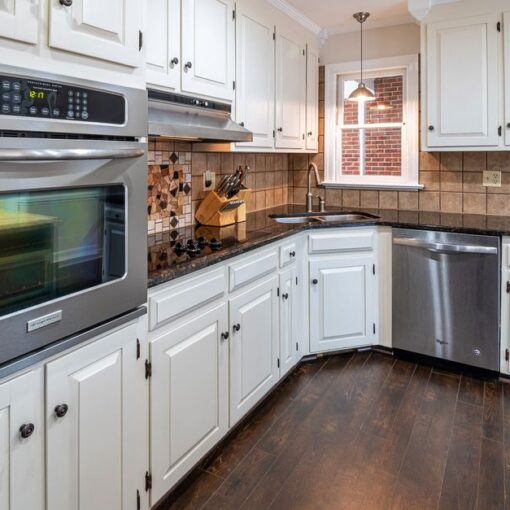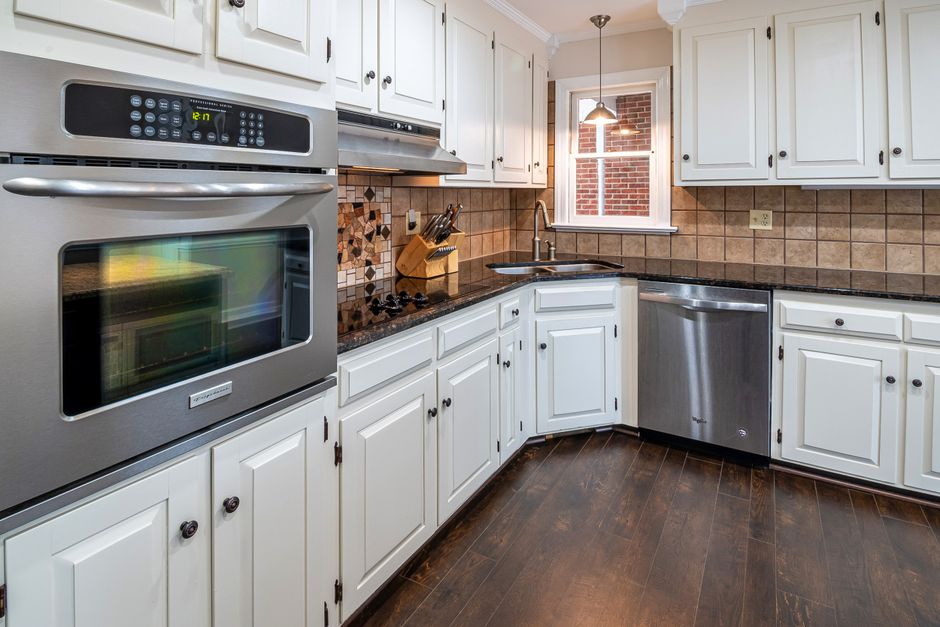
When you search for licensed cabinet painting contractors for residential kitchens, you want more than just a fresh coat of paint. You want durability, warranty protection, and peace of mind that your investment will last. Kitchen cabinets take daily abuse from grease, steam, slamming doors, and sticky fingers. A professional finish applied by a licensed contractor transforms your kitchen at a fraction of the cost of a full remodel, but only if the work is done right. This guide walks through what licensing actually means, what you should expect to pay in 2026, how the professional process differs from a weekend DIY attempt, and how to spot a contractor worth hiring.
Table of Contents
- What Does “Licensed” Mean for Cabinet Painting Contractors?
- The True Cost of Hiring Licensed Cabinet Painting Contractors
- Professional Process: What Licensed Contractors Do That DIYers Skip
- 5 Key Benefits of Hiring Licensed Cabinet Painting Contractors for Residential Kitchens
- Common Downsides of Painting Kitchen Cabinets (And How Licensed Contractors Mitigate Them)
- DIY vs. Professional: A Realistic Comparison for 2026
- How to Choose the Right Licensed Cabinet Painting Contractor
- Frequently Asked Questions About Cabinet Painting
- Conclusion: Invest in Licensed Expertise for a Kitchen That Lasts
What Does “Licensed” Mean for Cabinet Painting Contractors?
Licensing signals that the contractor meets state and local requirements for insurance, bonding, and trade competency. In Colorado, cabinet painting contractors must register with the state and carry specific protections that shield you from financial risk.
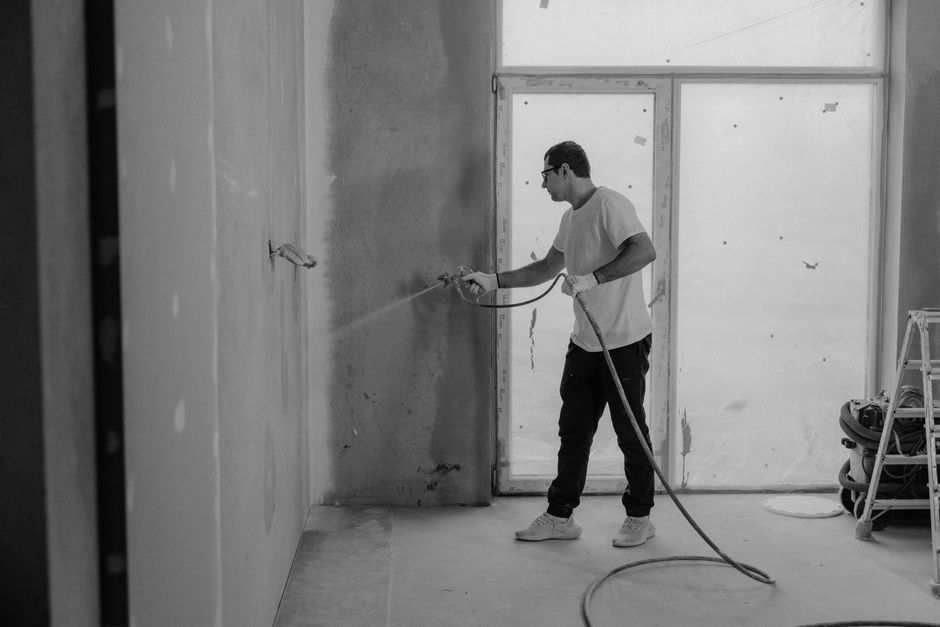
A licensed contractor carries general liability and workers’ compensation insurance. General liability covers accidental property damage, such as overspray on your hardwood floors or a dropped cabinet door. Workers’ compensation protects you if a painter is injured on your property. Without it, you could be held responsible for medical bills and lost wages.
Bonding provides a separate financial safety net. If the contractor fails to complete the job, violates the contract, or does substandard work that requires hiring someone else to fix it, the bond can cover your losses. You can verify licensing through the Colorado Department of Regulatory Agencies before signing any agreement. Unlicensed painters may offer lower prices, but they expose you to liability, substandard work, and no legal recourse if the project goes wrong.
The True Cost of Hiring Licensed Cabinet Painting Contractors
Average Pricing in 2026
Professional kitchen cabinet painting in the U.S. typically ranges from $1,200 to $7,000, depending on kitchen size, cabinet count, and paint quality. For an average-sized kitchen with 10 to 12 cabinets, expect to pay between $1,800 and $3,500 from a licensed contractor. Large or complex kitchens with 16 or more cabinets, multiple islands, or custom millwork can exceed $5,000. These figures reflect the cost of labor, materials, and the expertise required to deliver a finish that lasts.
What Influences the Final Quote
Cabinet count and linear footage drive much of the cost. More doors and drawers mean more hours of preparation and painting. Paint type and sheen matter significantly. Premium brands like Benjamin Moore Advance and Sherwin-Williams Emerald Urethane cost more per gallon but offer superior hardness and resistance to kitchen conditions. The current finish on your cabinets also affects pricing. Painting over stained wood or laminate requires extra cleaning, sanding, and priming to ensure adhesion. A dramatic color change, such as going from dark espresso to bright white, may require additional primer coats to block bleed-through. Geographic location plays a role too. Labor rates in Colorado metro areas like Denver, Boulder, and Colorado Springs may run slightly higher than national averages due to local demand and cost of living.
Professional Process: What Licensed Contractors Do That DIYers Skip
Preparation Is the Difference Maker
The gap between a paint job that lasts seven years and one that peels in seven months comes down to preparation. Licensed contractors begin with degreasing and deep cleaning. Kitchen cabinets accumulate invisible layers of cooking oil and grime that prevent paint adhesion. A quick wipe with household cleaner is not enough. Professionals use degreasing agents that strip these residues completely.
Light sanding and filling follow. The goal is not to remove the existing finish entirely but to scuff the surface so primer can grip. Contractors fill wood grain, dents, and imperfections with cabinet-grade filler, then sand smooth. High-quality primer seals the surface and prevents bleed-through from wood tannins or previous stain colors. Many pros use oil-based or shellac-based bonding primers for this critical step.
Application Methods: Spray vs. Brush
Spraying provides a smooth, factory-like finish with no brush marks. It requires professional overspray control, proper ventilation, and experience with the equipment. Brushing offers more control for detailed areas but can leave visible texture. Licensed contractors often combine both methods. They remove doors and drawer fronts, transport them to a controlled spray environment, and apply multiple thin coats for an even finish. On-site, they brush or roll cabinet frames and trim where spraying would create excessive mess.
Drying, Curing, and Reinstallation
Paint dries to the touch in hours but fully cures over several days. During this time, the finish hardens and reaches its maximum durability. Professional crews typically complete the entire project in three to five days. Doors dry in a dust-free space while you can still use your kitchen, though you will need patience with the cabinet boxes. Reinstallation includes careful hardware alignment and final touch-ups. The result is a kitchen that looks factory-finished, not painted over.
5 Key Benefits of Hiring Licensed Cabinet Painting Contractors for Residential Kitchens
Warranty protection gives you recourse if something goes wrong. Licensed contractors often offer one to two years of labor warranty, and some extend coverage to five years on paint adhesion. If the finish fails, they return to fix it.
Durability in high-humidity environments separates professional work from DIY results. Kitchen cabinets face steam from boiling pots, grease splatter, and constant handling. Professional-grade paints resist chipping, peeling, and yellowing under these conditions. The coatings are formulated specifically for cabinetry, not walls or trim.
Custom color matching lets you achieve exactly the shade you envision. Licensed painters use spectrophotometers to match any color swatch, fabric sample, or existing finish. You are not limited to the stock colors on a paint chip display.
Time savings are substantial. A professional crew completes in days what would take a DIYer weeks of evenings and weekends. Fewer mistakes mean fewer do-overs, and you avoid the frustration of living in a construction zone.
Increased home value makes cabinet painting one of the smartest returns on investment in home improvement. Professionally painted cabinets are a top selling point, offering up to 75 percent ROI compared to a full remodel that can run tens of thousands of dollars.
Common Downsides of Painting Kitchen Cabinets (And How Licensed Contractors Mitigate Them)
Paint chipping over time is the most common complaint. High-touch areas around handles and edges take the most abuse. Licensed contractors address this by using cabinet-grade urethane paints and applying extra coats to high-wear zones.
Painting only changes color, not door style or layout. If you want shaker doors instead of raised-panel, or if your cabinet boxes are falling apart, painting will not solve those problems. Refacing or replacement is the better path in those cases.
Surface preparation failures cause peeling within months. Rushed prep skips critical steps. Licensed contractors follow a strict five-step process: clean, sand, prime, paint, and seal. Each step builds on the last, and skipping any one of them invites failure.
Difficulty of repainting later is a reality. Once cabinets are painted, a new color requires full stripping before fresh paint can adhere properly. Professional application extends the time between repaints to five to seven years, reducing how often you face that disruption.
DIY vs. Professional: A Realistic Comparison for 2026
Cost is the first factor most homeowners weigh. DIY materials run $200 to $600 for paint, brushes, primer, and sandpaper. That number does not account for mistakes that require buying more materials or, worse, hiring a pro to fix the mess. Professional work starts around $1,200 and climbs based on kitchen size.
Time tells a stark story. DIY cabinet painting takes two to four weeks of weekends and evenings. Your kitchen stays in disarray the entire time. A professional crew finishes in three to five days.
Result quality is where the gap widens most. DIY jobs often show brush marks, drips, and uneven coverage, especially on large flat surfaces like cabinet sides. Professional spray application delivers a smooth, even finish that looks original to the cabinets.
Durability follows the same pattern. Even premium DIY paints rarely match the adhesion and hardness of professional-grade coatings designed for cabinetry. If you value time, durability, and a flawless finish, hire a licensed contractor. If budget is your only constraint and you have painting experience, DIY may work for a small, low-use kitchen where imperfections are less visible.
How to Choose the Right Licensed Cabinet Painting Contractor
Questions to Ask Before Hiring
Start with the basics. Ask directly: “Are you licensed, bonded, and insured? Can you provide proof?” A legitimate contractor will answer without hesitation and supply documentation.
Dig into materials. Ask: “What brand and product line of paint do you use? Why that brand?” The answer reveals whether they prioritize quality or cut costs. Listen for names like Benjamin Moore Advance, Sherwin-Williams Emerald Urethane, or Centurion wood coatings.
Understand their method. Ask: “Do you spray or brush? Will doors be painted on-site or off-site?” Off-site spraying in a controlled environment produces the best finish.
Clarify the prep process. Ask: “Do you remove doors and hardware? What cleaning and sanding steps do you follow?” A detailed answer signals thoroughness.
Confirm the warranty. Ask: “What warranty do you offer on labor and paint adhesion?” Get it in writing.
Red Flags to Avoid
Watch for contractors with no physical business address or local phone number. Requests for full payment upfront signal financial instability or worse. A refusal to provide a written contract or scope of work leaves you with no protection. Vague timelines and an unwillingness to share references suggest they cannot back up their claims.
Frequently Asked Questions About Cabinet Painting
How much should it cost to have my kitchen cabinets painted in 2026? Expect $1,200 to $7,000 depending on kitchen size, paint quality, and contractor rates. Get at least three written estimates to compare scope and materials, not just the bottom line.
Is it better to spray paint or brush paint kitchen cabinets? Spraying provides a superior, factory-like finish with no brush marks. Brushing is acceptable for small areas or touch-ups but risks visible texture on large surfaces.
What is the downside to painting kitchen cabinets? Paint can chip over time, especially on high-touch edges. You cannot change door style or layout through painting alone. Proper preparation and professional-grade paint minimize these issues significantly.
How long do painted kitchen cabinets last? With proper care and professional application, painted cabinets last five to seven years before needing a refresh. Harsh cleaners and abrasive scrubbing shorten that lifespan.
Conclusion: Invest in Licensed Expertise for a Kitchen That Lasts
Licensing is not a luxury. It is a safeguard for your investment, your home, and your peace of mind. Licensed cabinet painting contractors for residential kitchens bring insurance, bonding, warranties, and a proven process that protects you from the risks of unlicensed work. The difference between a finish that lasts seven years and one that fails in seven months comes down to preparation, materials, and skill. Request free estimates from multiple licensed contractors in your area. Ask the questions outlined here. Compare their answers carefully. Contact Cabinet Painting Colorado for a consultation and see the difference professional, licensed work makes in your kitchen.