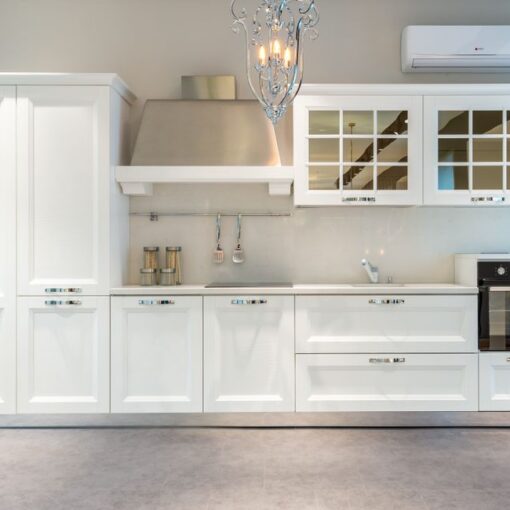
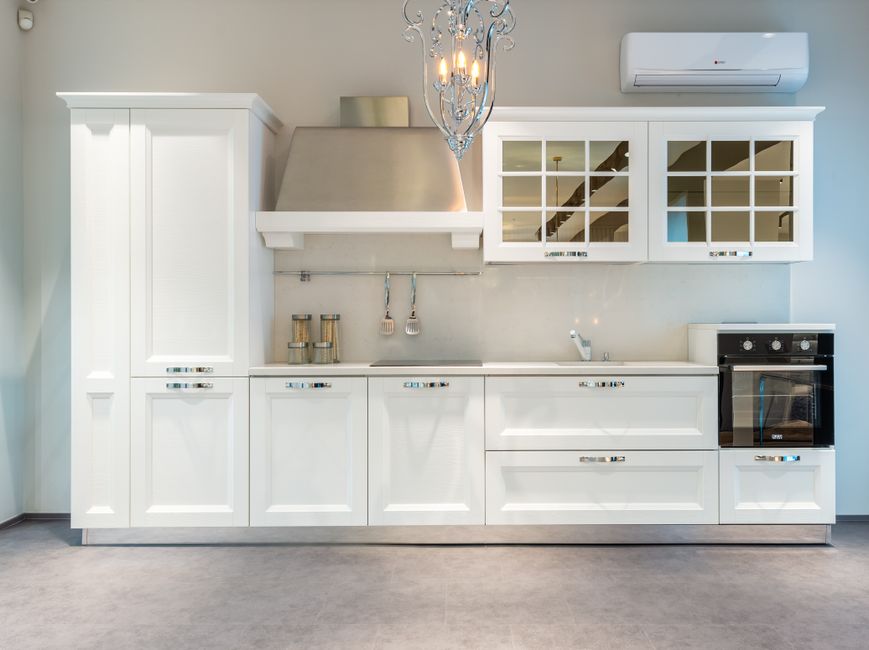
Your Denver kitchen cabinets are structurally sound, but they look tired. The oak is orange, the maple is bland, or the finish has worn thin in the high-traffic zones around the handles. You want a custom, high-end look, but the thought of a $30,000-plus full replacement makes you pause. Cabinet glazing in Denver offers a middle path: a specialized finishing technique that adds depth, dimension, and architectural character to your existing cabinets at a fraction of the cost. This ultimate guide explains what glazing is, how it differs from standard painting, why Denver's climate and housing stock make it particularly relevant, and how to decide whether it is the right move for your home.
Table of Contents
- What Is Cabinet Glazing? (And How It Differs from Standard Painting)
- Why Denver Homeowners Choose Glazing: Cost, Climate, and Character
- The Professional Glazing Process: Step-by-Step
- Cabinet Glazing Costs in Denver: What to Expect
- Glaze Colors and Design Trends for 2026
- DIY vs. Professional Glazing: An Honest Assessment
- How Long Does Cabinet Glazing Last? Durability and Maintenance
- Choosing the Right Cabinet Glazing Professional in Denver
- Frequently Asked Questions About Cabinet Glazing
- Conclusion: Is Cabinet Glazing Right for Your Denver Home?
What Is Cabinet Glazing? (And How It Differs from Standard Painting)
Cabinet glazing is a decorative finishing technique in which a translucent, pigment-rich topcoat is applied over a base paint color, then partially wiped away to leave depth in crevices, corners, and panel details. The glaze settles into recessed areas, creating shadow lines and visual texture that standard painting cannot achieve.
Standard cabinet painting produces a solid, opaque finish. Every surface receives the same color and sheen, which looks clean but can flatten the architectural character of a door. Glazing adds a second layer of visual information. A raised panel door with a routed edge, for example, will show a subtle darkening along that edge, drawing the eye to the detail rather than hiding it.
The visual outcomes range widely. A light application of a warm brown glaze over cream paint creates a soft antique effect. A heavier application of black or espresso glaze over charcoal or sage produces a dramatic, high-contrast look. The technique depends on glaze color, application method, and how aggressively the glaze is wiped back.
Glazing is not a substitute for a quality paint job. It is an enhancement layer applied over properly prepped, primed, and painted surfaces. If the base coat fails, the glaze fails with it. Glazing also works best on cabinets with texture or detail. Raised panels, beadboard, and routed edges give the glaze somewhere to settle. Flat, slab-style doors show minimal effect and may not justify the added labor.
Why Denver Homeowners Choose Glazing: Cost, Climate, and Character
The cost argument is compelling. Professional spray finishing with glazing for most Denver kitchens runs between $3,500 and $7,500. Full replacement typically costs $20,000 to $45,000 or more. Glazing adds a modest premium over standard painting, but the total investment still represents a $15,000 to $30,000 savings compared to tearing out and replacing cabinets.
Denver's architectural character also favors glazing. Historic Denver Squares, Tudors, and bungalows in neighborhoods like Washington Park, Congress Park, and Berkeley were built with detailed millwork that glazing enhances. A flat, modern paint job can erase the warmth of these older homes, while a well-executed glaze restores a sense of age and craftsmanship.
The climate works in glazing's favor when handled by professionals. Denver's average relative humidity hovers around 20 percent, which accelerates coating drying times. For a skilled finisher, this means faster project completion. For an amateur, it means a shorter working window and a higher risk of blotchy, uneven results.
There is also a structural argument. Many Denver homes built 20 to 30 years ago feature solid wood boxes made from oak, maple, or cherry. These boxes are often structurally superior to the particle board found in modern big-box cabinets. Refinishing and glazing preserves that quality while updating the look. It also keeps usable wood out of Colorado landfills, a growing consideration for eco-conscious homeowners.
The Professional Glazing Process: Step-by-Step
Step 1 — Preparation (75% of the Finish Quality)
The industry standard holds that three-quarters of a factory-quality finish happens before any paint touches the wood. For cabinet glazing, preparation is even more critical because the glaze will highlight every imperfection.
Professional preparation begins with cleaning and degreasing. Kitchen cabinets accumulate cooking oils and grime, especially near the cooktop. Professional-grade degreasers are non-negotiable. Next, the existing finish is de-glossed and lightly sanded to create mechanical adhesion for the new coating. Dents, scratches, and nail holes are filled and sanded flush. Finally, a high-quality bonding primer seals the wood and provides a uniform base for the color coat.
Step 2 — Spray Application of Base Color
Professional cabinet finishers use HVLP spray equipment to apply the base color. This method delivers a smooth, factory-grade finish that brushes and rollers cannot match. Spraying eliminates brush marks, roller stipple, and uneven film thickness.
Multiple thin coats are applied rather than one thick coat. This reduces runs and ensures even curing. Denver's dry air accelerates drying between coats, which speeds the process when handled by an experienced professional who understands how to manage the local conditions.
Step 3 — Glaze Application and Wiping Technique
The glaze is applied over the cured base color using a brush, sponge, or spray. It is then manipulated with rags, brushes, or sponges to achieve the desired effect. The finisher works the glaze into recesses and wipes it back from raised surfaces, creating depth and shadow.
The open time, or working window before the glaze sets, is shorter in Denver's dry climate. This is a key reason DIY glazing often fails here. Professionals adjust their technique and product selection to account for the faster dry time. Techniques range from a light wash for subtle depth to heavy antiquing for a dramatic, aged look. A protective clear topcoat is applied over the glazed finish to seal and protect the work.
Cabinet Glazing Costs in Denver: What to Expect
Base professional cabinet painting in Denver costs between $3,500 and $7,500 for most kitchens. Large or complex kitchens can reach $15,000 or more. Glazing adds a premium, typically 10 to 20 percent over standard painting, due to the additional labor and material involved.
Full replacement in Denver runs $20,000 to $45,000 or more. Glazing therefore represents a $15,000 to $30,000 savings. Refacing, which involves installing new doors and drawer fronts over existing boxes, falls between painting and replacement in cost but does not address the condition of the boxes themselves.
For resale context, a professionally glazed kitchen refresh can recoup 70 to 85 percent of its cost in increased home value. In Denver's competitive real estate market, a distinctive, well-finished kitchen can be a differentiator that attracts buyer interest. For a detailed breakdown of current pricing, see the kitchen cabinet refinishing cost estimate for 2026.
Glaze Colors and Design Trends for 2026
Base color trends for 2026 favor warm whites rather than stark white, deep charcoals, sage greens, and modern greige. These colors provide a versatile foundation for glazing.
Glaze color pairings depend on the desired effect. Dark brown or van Dyke brown glazes create classic warmth over cream or beige bases. Black or espresso glazes deliver high contrast over gray, charcoal, or deep green. Gray glazes offer a modern, cool-toned depth that suits contemporary kitchens.
Matching Denver architecture matters. Historic neighborhoods favor warmer, traditional glazes that complement original woodwork and period details. Modern infill homes in areas like Lowry or Central Park suit cooler, subtler effects. Two-tone designs, such as a dark island with a light perimeter, pair well with glazing and add visual interest. Glazing can also be combined with distressing for a true antique look.
Hardware completes the transformation. Updated knobs, pulls, and hinges in brushed brass, matte black, or champagne bronze enhance the glazed finish. This detail is often overlooked in planning but makes a significant difference in the final result.
DIY vs. Professional Glazing: An Honest Assessment
DIY glazing is appealing. Tutorials and glaze kits are available, and material costs are low, typically $50 to $150 in products. The appeal is understandable, especially for homeowners who enjoy hands-on projects.
The climate challenge is real. Denver's 20 percent humidity means glaze dries fast. Beginners often end up with blotchy, uneven results because they cannot work quickly enough to blend the glaze before it sets. The prep problem compounds this. Most DIY failures trace back to inadequate cleaning, sanding, or priming, not the glaze itself.
The durability gap is significant. Amateur paint jobs may peel or chip within 12 months. Professional spray finishes with a protective topcoat are designed to last roughly a decade. If you have detailed or raised-panel cabinets, a tight timeline, or a high-visibility kitchen, professional results are worth the investment.
DIY can work for flat slab doors, a forgiving color palette, and a willingness to accept a handcrafted look. If you are considering the professional route, cabinet painting specialists for oak cabinets in Colorado can provide insight into how different wood types respond to refinishing.
How Long Does Cabinet Glazing Last? Durability and Maintenance
Professional spray finishes with a protective topcoat are engineered to last approximately 10 years under normal kitchen use. The clear topcoat is the durability secret. It shields the glaze from abrasion, cleaning chemicals, and UV fading.
Denver's dry climate actually helps longevity by reducing moisture-related swelling and finish failure. Maintenance is simple: gentle cleaning with mild soap and water. Avoid abrasive pads and harsh degreasers, which can wear through the topcoat over time. Minor chips can be spot-repaired, but significant damage may require refinishing the affected door or drawer front.
Choosing the Right Cabinet Glazing Professional in Denver
Look for specialization. General house painters are not the same as cabinet finishing specialists. Ask for cabinet-specific portfolios and examples of glazing work. A credible professional will walk you through their prep, spraying, glazing, and topcoat process in detail.
Check longevity. Denver companies with decades of experience bring institutional knowledge of local conditions, including how to manage the dry climate and the specific challenges of older Denver homes. Ask about warranties. Reputable pros stand behind their work with written guarantees, and you should get those terms in writing.
Request neighborhood references. Ask for recent projects in your area, whether Cherry Creek, Park Hill, or Sloan Lake, to verify local experience. A detailed written estimate with line-item costs for prep, materials, labor, and glazing prevents surprises. For a broader look at what to expect from a professional service, review this guide to professional cabinet painting in Denver for 2026.
Frequently Asked Questions About Cabinet Glazing
Can any cabinet be glazed? Yes, but results vary by wood type and door style. Oak and maple with routed details take glaze beautifully, while flat slab doors show minimal effect.
Is glazing the same as antiquing? Antiquing is a subset of glazing that emphasizes a distressed, aged look. Glazing can also be subtle and modern.
How long does the project take? A typical Denver kitchen takes 5 to 10 days from start to finish, depending on cabinet count, condition, and glazing complexity.
Will glazing make my kitchen look dated? Not necessarily. 2026 trends favor subtle glazing on modern neutrals. The look depends on color choice and wipe technique.
Can I glaze over my existing paint? Yes, if the existing finish is sound, properly cleaned, and lightly sanded. A professional can assess suitability.
Conclusion: Is Cabinet Glazing Right for Your Denver Home?
Cabinet glazing delivers a custom, high-end look at a fraction of replacement cost. It enhances the architectural character of Denver's historic homes, works with the dry climate when handled by professionals, and preserves the solid wood quality of older cabinets. Hire a specialist for detailed cabinets and lasting durability. Consider DIY only for simple, forgiving projects. If you are ready to explore the possibilities, contact a Denver cabinet finishing specialist for a consultation and a detailed estimate tailored to your kitchen.