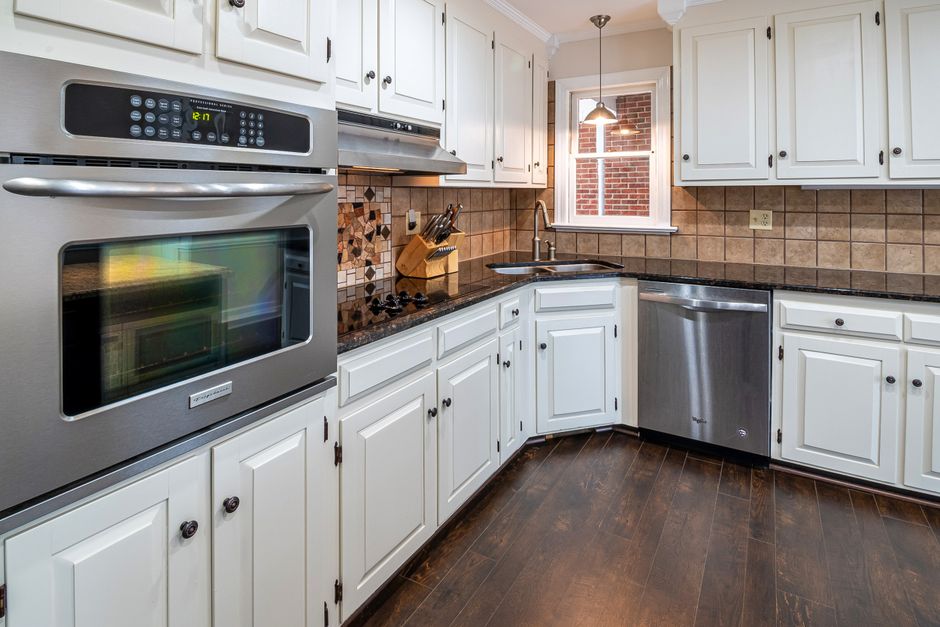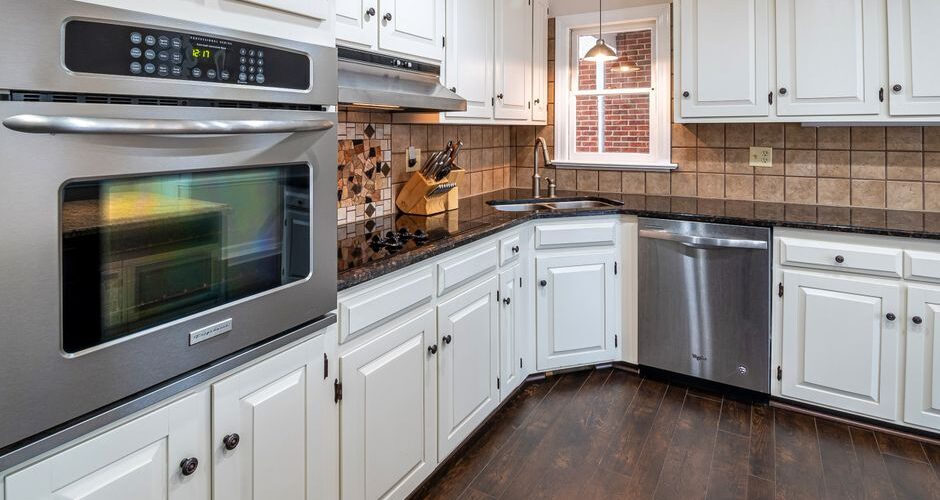


Kitchen renovations have a reputation for draining savings accounts, but a full gut-and-replace is rarely the only path to a stunning transformation. If your cabinet boxes are structurally sound and you are happy with the current layout, refinishing offers the highest return on investment in the remodeling world. As we move through 2026, understanding the real numbers behind a kitchen cabinet refinishing cost estimate near me 2026 search is the first step toward budgeting smart. This guide breaks down national averages, local pricing factors, hidden costs, and the right questions to ask before hiring a professional.
Table of Contents
-
Why Refinish Your Kitchen Cabinets in 2026? (The Value Proposition)
-
National Average Cost to Refinish Kitchen Cabinets (2026 Data)
-
Refinishing vs. Refacing vs. Replacement: 2026 Cost Comparison
-
How to Get an Accurate Kitchen Cabinet Refinishing Cost Estimate in 2026
Why Refinish Your Kitchen Cabinets in 2026? (The Value Proposition)
The financial argument for refinishing has only grown stronger this year. Refinishing costs 50 to 70 percent less than a full cabinet replacement, a gap that widens as material prices and shipping costs continue to climb. A project that might run $20,000 or more for new custom cabinetry often lands between $1,500 and $4,500 when refinished by a skilled professional. That is a meaningful difference for most household budgets.
Time is another factor that tilts the scale. A professional refinishing crew can complete most kitchens in two to three days, compared to three to six weeks for a full tear-out, fabrication, and installation cycle.
For families managing busy schedules, avoiding a prolonged construction zone in the heart of the home carries real value. There is also an environmental upside: refinishing keeps perfectly usable cabinet boxes out of landfills and reduces the demand for new lumber and manufactured materials. In 2026, with sustainability influencing more homeowner decisions, that benefit resonates.
My Review of Graco FFLP Tips for Spraying Cabinets

National Average Cost to Refinish Kitchen Cabinets (2026 Data)
Nationally, homeowners can expect to pay between $1,500 and $4,500 to refinish kitchen cabinets, with a typical project landing around $3,000. When broken down by surface area, the cost ranges from $4 to $15 per square foot, depending on the finish type and the condition of the existing cabinetry. Painting tends to fall on the lower end of that spectrum, while staining and glazing push toward the upper limits.
Labor dominates the total invoice, accounting for 50 to 80 percent of the project cost. Professional cabinet refinishers charge between $35 and $75 per hour, and the number of hours required scales directly with kitchen size, door count, and the complexity of the finish. A straightforward paint job on well-maintained oak doors will clock fewer hours than a multi-step glaze over dark, previously stained maple.
These figures provide a useful baseline, but they are national averages. A kitchen cabinet refinishing cost estimate near me 2026 search will return numbers shaped by local labor markets, regional material availability, and even climate conditions that affect product selection and curing times.
Kitchen Cabinet Refinishing Cost Breakdown by Kitchen Size
The single biggest cost driver is not square footage but the number of doors and drawer fronts. Each surface requires cleaning, sanding, priming, painting or staining, and sealing. More doors mean more labor hours, plain and simple.
A small kitchen with 10 to 15 doors, typical of a condo or compact galley layout, generally costs between $2,500 and $5,000 to refinish. These projects move quickly and require fewer materials, keeping the total on the lower end of the range.
A medium kitchen with 16 to 25 doors, the most common configuration in suburban single-family homes, falls between $5,000 and $8,000. This bracket covers the majority of refinishing projects and includes standard upper and lower cabinets with a modest island.
A large kitchen with 26 or more doors, often featuring expansive uppers, a substantial island, and a pantry bank, runs from $8,000 to $12,500 or more. The added square footage and door count increase both labor hours and material consumption, pushing the project toward the upper end of the pricing spectrum.
When requesting estimates, provide the door and drawer count upfront. This single data point allows contractors to deliver far more accurate preliminary numbers than room dimensions alone.
Refinishing vs. Refacing vs. Replacement: 2026 Cost Comparison
Understanding the distinctions between these three options clarifies why refinishing wins on value for most homeowners.
Refinishing, at $1,500 to $4,500, involves stripping or scuffing the existing finish, repairing minor surface damage, and applying new paint, stain, or glaze. The cabinet boxes and door styles remain unchanged. This approach works best when the wood is solid, the doors are in good shape, and the layout functions well.
Refacing, which runs $3,000 to $13,500, replaces the door and drawer fronts entirely and applies a matching veneer to the cabinet boxes. This option makes sense when the door style feels dated or the existing doors are damaged beyond repair, but the boxes are still solid. Refacing costs more because it involves new materials and more labor than refinishing, though it remains cheaper than a full replacement.
Full replacement spans a wide range, from $4,500 for budget stock cabinets to $40,000 or more for custom builds with premium materials. Replacement is the right call when the cabinet boxes are water-damaged, delaminating, or structurally compromised, or when the kitchen layout needs to change. If the boxes are sound and the layout works, replacement is almost always unnecessary.
The bottom line: refinishing delivers the best return when your cabinets are structurally intact and you are satisfied with the current footprint. The savings can then be redirected toward new countertops, a backsplash, or upgraded appliances.
5 Key Factors That Affect Your “Near Me” Estimate
Local estimates vary for reasons that go beyond simple geography. Five factors consistently shape the final quote.
Kitchen size and door count set the baseline. Every additional door and drawer front adds labor hours for prep, application, and curing. Linear footage of cabinet boxes also matters, as face frames and side panels require the same multi-step finishing process.
Cabinet material and condition determine how much prep work is needed. Solid wood, particularly oak, maple, and cherry, accepts new finishes readily. Laminate and thermofoil surfaces require specialized bonding primers and more meticulous surface preparation, which increases labor costs. Cabinets with heavy grease buildup, deep scratches, or water damage need additional remediation before finishing can begin.
Color change complexity is a major variable that surprises many homeowners. Going from a light natural finish to a darker stain is relatively straightforward. Moving from a dark espresso stain to a crisp white or cream paint, however, demands extra primer coats to block bleed-through and achieve even coverage. Each additional coat adds material cost and drying time.
Finish type carries its own pricing structure. Basic painting ranges from $3 to $15 per square foot. Staining, which requires more steps to achieve uniform color penetration, runs $4 to $15 per square foot. Glazing, a multi-layer technique that adds depth and an aged patina, costs $10 to $25 per square foot and demands the highest skill level.
Local labor rates reflect the cost of living in your area. Major metro markets like Denver, Boulder, and Colorado Springs command higher hourly rates than rural regions. In Colorado specifically, the dry climate and altitude can affect how finishes cure, making experience with local conditions a factor worth paying for.
Hidden Costs and Red Flags to Avoid (2026 Warning)
A transparent quote accounts for more than just paint and labor. Several line items can catch homeowners off guard if not discussed upfront.
Hardware upgrades are a common add-on. If the existing knobs and pulls are dated or incompatible with the new finish style, replacing them adds $2 to $20 per piece depending on material and design. Debris disposal, which includes removing old finish residue and packaging, typically runs $90 to $102. For cabinets requiring chemical stripping of old finishes, expect an additional $608 to $1,292 depending on kitchen size and the number of layers being removed.
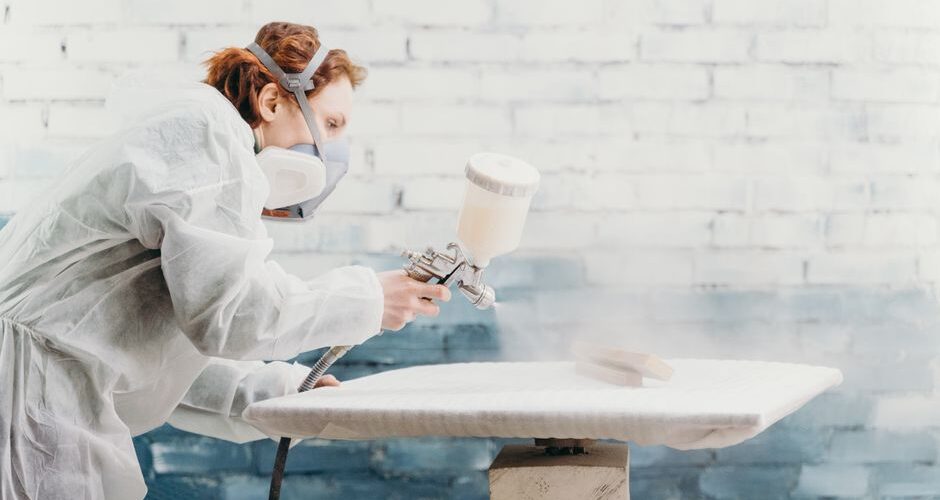
Low-cost contractors present a different kind of risk. Red flags include skipping the degreasing step, which is essential for paint adhesion in a kitchen environment. Using standard wall paint instead of cabinet-grade coatings is another shortcut that leads to chipping and peeling within a year or two. Brushing instead of spraying produces a textured finish that lacks the factory-smooth look most homeowners want. The absence of a written warranty should be a dealbreaker.
A quote significantly below the $1,500 floor almost certainly means corners are being cut. In humid or high-use kitchens, those shortcuts translate to finish failure within 12 to 24 months. Always ask whether the contractor uses a high-adhesion primer, whether they spray or brush the finish, and what warranty they provide. A five-year written warranty against peeling and chipping is the standard to look for.
How to Get an Accurate Kitchen Cabinet Refinishing Cost Estimate in 2026
A reliable estimate starts with preparation on the homeowner’s side. Following a structured approach eliminates surprises and makes comparing bids straightforward.
Step one: measure and count. Walk through the kitchen and tally every door, drawer front, and visible cabinet panel. Note the approximate linear feet of upper and lower cabinetry. Photograph any damage, unusual angles, or areas that need repair.
Step two: decide on the finish. Know whether you want paint, stain, or glaze before the estimator arrives. If you are considering a dramatic color shift, mention it so the contractor can account for the extra primer coats and labor required.
Step three: obtain three in-person quotes from local, insured professionals who specialize in cabinet refinishing. Avoid general handyman services for this work. Cabinet refinishing is a distinct skill set, and specialists deliver better, longer-lasting results.
Step four: compare quotes line by line. Look for specific line items covering surface preparation, primer application, the finish material itself, and the warranty terms. A vague quote that lumps everything into a single number makes it impossible to know what you are paying for.
Step five: ask about seasonal pricing. In Colorado, late winter and early fall often provide better availability and potentially more competitive pricing, as contractors fill their schedules between larger exterior painting seasons. Booking during these windows can shorten lead times.
Frequently Asked Questions About Cabinet Refinishing Costs
What is the average cost to refinish kitchen cabinets in 2026?
The national average ranges from $1,500 to $4,500, with most homeowners spending approximately $3,000 for a medium-sized kitchen with standard paint-grade finishing. Larger kitchens, complex color changes, and premium finishes like glazing push the total higher.
Can you redo a kitchen for $30,000?
Yes, and $30,000 goes far beyond cabinet refinishing alone. That budget can cover a full mid-range cabinet replacement along with new countertops, a backsplash, and updated fixtures. Refinishing costs a fraction of that amount, leaving substantial room for other upgrades or simply preserving savings.
How much does it cost to reface a 10×10 kitchen?
A standard 10×10 kitchen, which typically contains around 12 to 15 linear feet of cabinetry, costs between $3,000 and $7,000 to reface. The final number depends on door material, veneer selection, and local labor rates. Refinishing the same kitchen would cost considerably less, usually in the $1,500 to $3,500 range.
What cabinet color is outdated in 2026?
Honey oak and the all-stark-white kitchen are both fading from favor. Warm neutrals, muted sage greens, deep navy blues, and greige tones are the trending palette this year. The shift is toward colors that add depth and warmth without overwhelming the space, a direction that pairs well with both modern and transitional kitchen designs.
Is Cabinet Refinishing Worth It in 2026?
Cabinet refinishing remains the most cost-effective way to transform a kitchen without the expense and disruption of a full replacement. Saving 50 to 70 percent compared to new cabinetry frees up budget for other improvements while still delivering a completely refreshed look.
The key to longevity lies in professional execution. Proper degreasing, high-adhesion primer, spray application, and a written five-year warranty separate a finish that lasts a decade or more from one that fails in two years. When done right, refinished cabinets hold up for 10 to 15 years under normal use.
If you are ready to explore what is possible for your kitchen, contact Cabinet Painting Colorado for a free, no-obligation 2026 estimate. We assess your cabinet material, door count, and finish goals to provide a detailed quote tailored to your home in Denver, Colorado Springs, Boulder, or the surrounding Front Range communities.