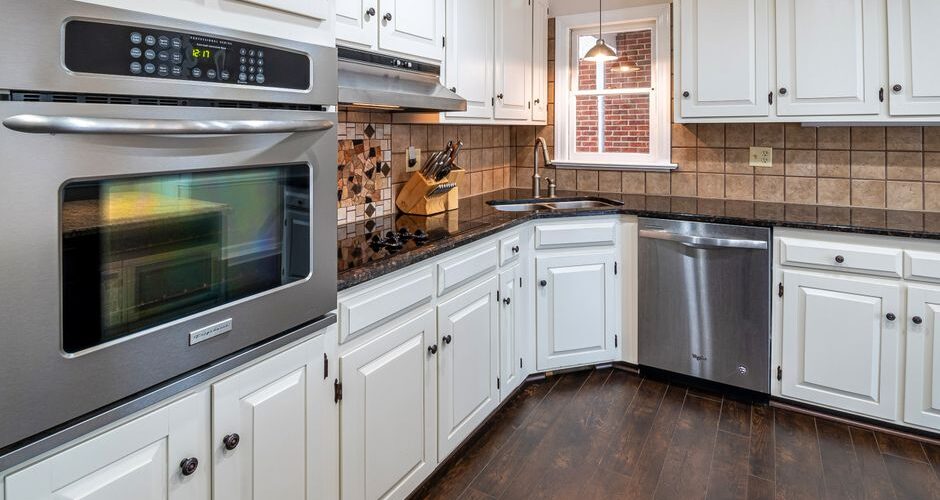

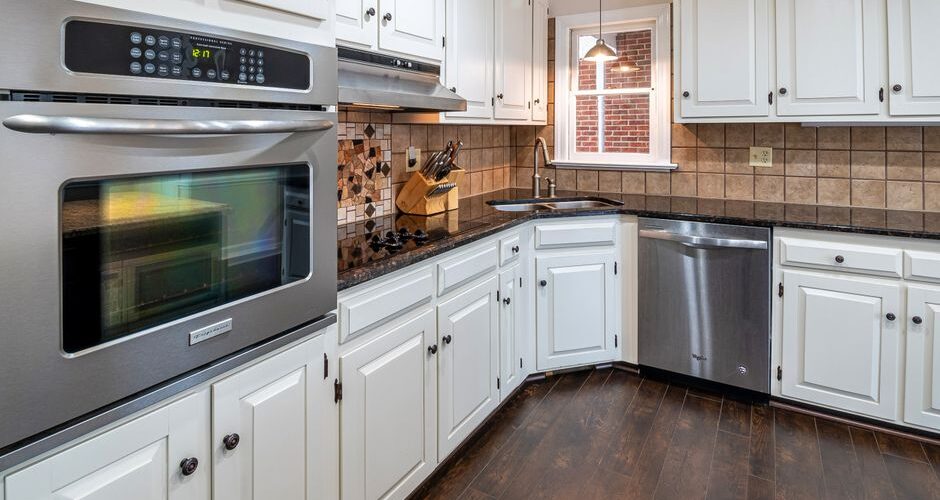
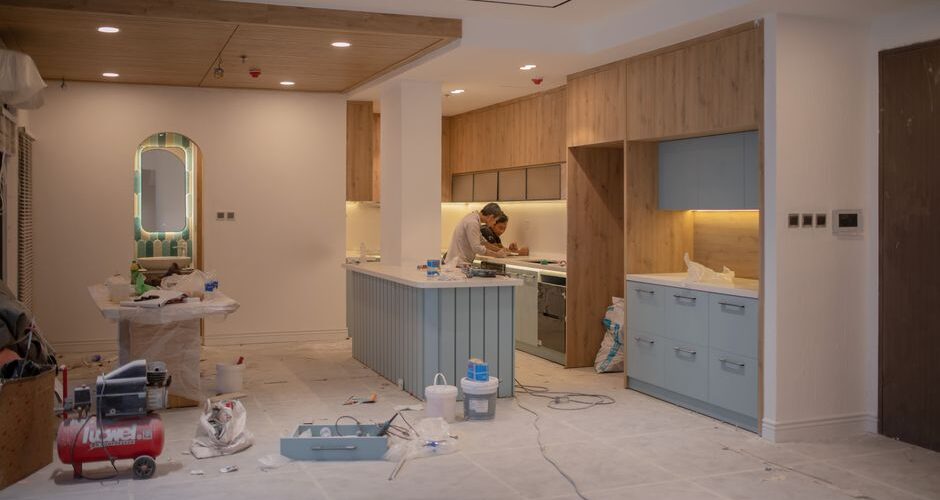
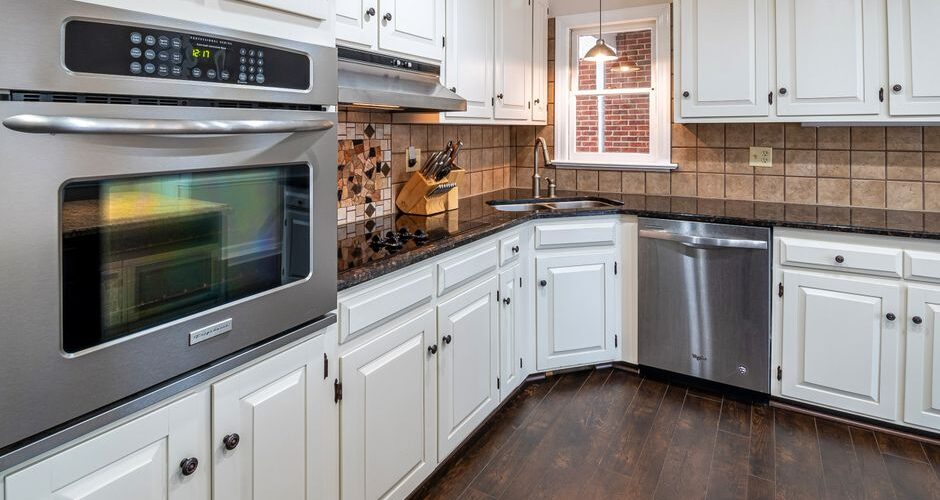
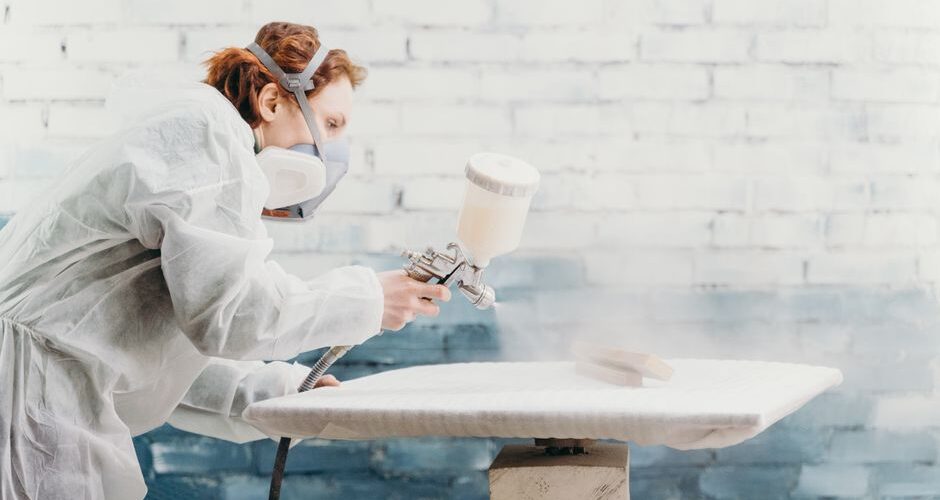
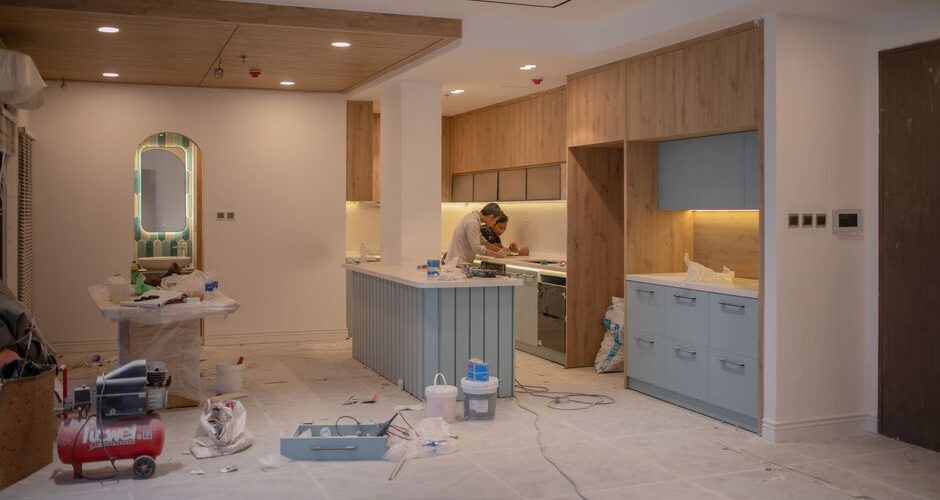
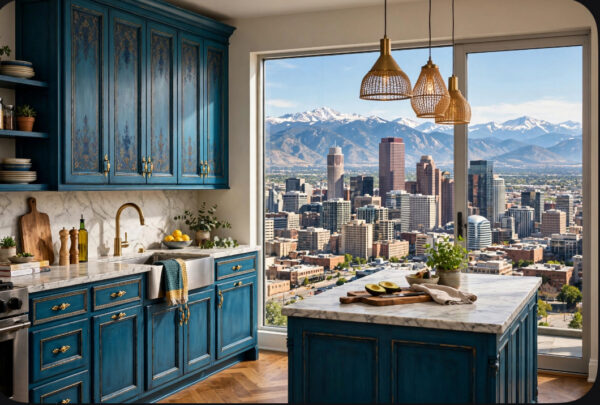
If you are searching for the best cabinet painting company for a modern kitchen upgrade in Colorado, you already know that a full-scale renovation is not the only path to a stunning transformation. A modern kitchen upgrade today means clean lines, two-tone color palettes, matte and low-sheen finishes, and hardware that feels intentional rather than ornate. It is a look that demands precision, and in a state where the dry climate and high altitude can wreak havoc on paint adhesion and curing, that precision must come from a local expert who understands the science behind the finish. This guide walks you through what separates a truly professional cabinet painting company from a general painter, what you should expect to pay in the Colorado market in 2026, and how to spot the red flags that lead to peeling doors and disappointing results.
My Review of Graco FFLP Tips for Spraying Cabinets
Table of Contents
- Why a Professional Cabinet Painting Company Is the Smartest Upgrade for 2026
- What Defines the Best Cabinet Painting Company for a Modern Kitchen Upgrade
- The Cost of a Modern Kitchen Cabinet Upgrade in Colorado (2026 Pricing)
- The Step-by-Step Process of a Professional Modern Cabinet Upgrade
- Paint Types and Durability: What the Best Companies Use for Modern Kitchens
- Frequently Asked Questions About Modern Cabinet Painting in Colorado
- Why Choose Cabinet Painting Colorado for Your Modern Kitchen Upgrade
- Conclusion and Call to Action
Why a Professional Cabinet Painting Company Is the Smartest Upgrade for 2026
A full kitchen remodel is one of the most disruptive and expensive projects a homeowner can undertake. Ripping out existing cabinetry and replacing it with new stock or custom boxes routinely runs between $15,000 and $35,000 for a standard kitchen, and the timeline stretches across weeks of dust, subcontractor schedules, and a non-functional cooking space. Professional cabinet painting, by contrast, delivers a dramatic visual reset for roughly 50 to 70 percent less than replacement. In Colorado, where housing demand remains strong and homeowners are looking for high-impact updates that do not drain equity, that math is compelling.
The timeline advantage is equally significant. A dedicated cabinet painting crew can complete a modern upgrade in three to five days, with the kitchen remaining usable throughout much of the process. Compare that to the two to three weeks required for a full tear-out and installation, and the decision becomes even clearer for busy families in Denver, Boulder, and Colorado Springs.
There is also an environmental argument that resonates with Colorado buyers. Refinishing existing cabinets keeps hundreds of pounds of wood, MDF, and laminate out of landfills. Manufacturing new cabinets consumes raw materials, energy, and transportation fuel. Choosing to restore rather than replace aligns with the values of a state that prioritizes conservation and sustainability.
Finally, a professional company unlocks design possibilities that are difficult or impossible to execute as a DIY project. Two-tone kitchens, where deep navy or charcoal lower cabinets contrast with crisp white uppers, require flawless masking and spray technique. Matte black island finishes and factory-smooth door faces are hallmarks of the modern aesthetic, and they demand commercial-grade equipment and experienced hands.
What Defines the Best Cabinet Painting Company for a Modern Kitchen Upgrade
Local Expertise and Colorado Climate Considerations
Colorado presents unique challenges for paint application that a national franchise or a general house painter may not fully appreciate. The state’s low relative humidity, particularly along the Front Range, causes water-based paints to flash dry if not applied under controlled conditions. When paint dries too quickly, it fails to level properly, leaving a stippled or rough surface that catches light unevenly. The best cabinet painting company for a modern kitchen upgrade will account for this by adjusting spray pressure, using appropriate extenders, and maintaining a climate-controlled work zone.
Altitude also affects curing. At 5,280 feet and above, solvents and water evaporate at different rates than they do at sea level. A company with deep Colorado experience will select primers and topcoats formulated to perform at elevation, and they will schedule cure times accordingly. Seasonal wood expansion and contraction is another local reality. The wide temperature swings between Colorado’s sunny days and cold nights cause cabinet doors to move subtly throughout the year. A high-bond, flexible primer is non-negotiable if you want to avoid hairline cracks along joints and panel edges within the first twelve months.
Local knowledge extends to municipal regulations as well. Historic districts in Denver and Boulder often have guidelines governing exterior appearance, and while interior cabinet work rarely triggers a review, a professional company will understand the landscape and be able to advise you if your project intersects with HOA or preservation rules.
Modern Finish Capabilities: Spray vs. Brush
Walk through a model home or a high-end design showroom in 2026, and you will notice that the cabinet finishes are glass-smooth. There are no brush strokes, no roller stipple, and no visible texture beyond the natural grain of the wood if a stained or clear-coated finish is chosen. Achieving that look requires a sprayed application, not a brush and roller.
The distinction matters. A hand-brushed finish, even when applied by a careful painter, leaves micro-ridges that collect dust and grease over time. Those ridges also scatter light, muting the color depth and making the surface look amateurish. A professional-grade spray system atomizes the paint into a fine mist that settles evenly, creating a factory-like finish. The best companies either use a dedicated off-site spray booth, where doors and drawer fronts are sprayed in a dust-free environment, or they construct contained spray areas within the home using plastic sheeting and negative air pressure to prevent overspray from migrating.
There is a common defect known as orange peel, where the sprayed surface develops a dimpled texture resembling the skin of a citrus fruit. It happens when paint is applied too heavily or under incorrect pressure. Top-tier cabinet painters know how to dial in their equipment to avoid this, and they inspect every door under raking light before it is reinstalled.
Material-Specific Preparation Protocols
Colorado homes span decades of construction trends, and the cabinet materials vary widely. A 1970s ranch in Lakewood might have solid oak face frames, while a 2000s suburban build in Highlands Ranch likely has thermofoil or laminate doors over MDF cores. Each substrate demands a different preparation protocol, and a company that treats them all the same is one to avoid.
Solid wood cabinets require grain filling if a smooth, modern finish is desired. Without filling, the open grain of oak or ash will telegraph through the paint, creating a textured surface that undermines the contemporary look. Thermofoil cabinets, which are essentially a plastic skin heat-sealed over MDF, present a different challenge. Paint does not bond well to the thermoplastic surface without aggressive scuffing and a specialized bonding primer. Laminate cabinets, common in kitchens from the 1990s and early 2000s, are similarly non-porous and require deglossing and a high-adhesion primer designed for slick surfaces.
A red flag to watch for is the one-size-fits-all quote. If a company provides a price without inspecting your cabinet materials, door profiles, and current finish, they are guessing. Guesses lead to peeling paint and expensive rework.
The Cost of a Modern Kitchen Cabinet Upgrade in Colorado (2026 Pricing)
Transparent pricing has been a glaring gap in the cabinet painting industry, and homeowners deserve clear numbers before they commit. For a standard 10-by-10 kitchen with approximately 20 to 25 doors and drawer fronts, professional cabinet painting in Colorado in 2026 typically falls between $4,500 and $8,500. The range accounts for variables that honest contractors will discuss during the estimate.
The primary cost drivers include the total number of cabinet boxes and doors, the door style, and the condition of the existing finish. Flat-panel or Shaker doors are faster to prep than raised-panel or heavily detailed doors, which require more sanding and hand work. Paint quality is another factor. Commercial-grade urethanes and catalyzed finishes cost more per gallon than off-the-shelf latex, but they deliver exponentially better durability and a more refined look.
Add-on services like new hardware installation, interior cabinet painting, and glazing or color-washing effects will increase the total. Expect to pay an additional $800 to $1,500 for full interior painting of cabinets and drawers, which is optional but creates a finished, high-end feel every time you open a door.
Be cautious of quotes below $2,000. At that price point, corners are almost certainly being cut. The prep work, which is the most labor-intensive phase, gets shortened. Low-grade paint gets substituted. Spray equipment may not be used at all. The result is a finish that looks acceptable for six months and then begins to chip, peel, or yellow.
Refinishing vs. Replacement: The Hard Numbers
A side-by-side comparison makes the financial case clearly. Professional cabinet painting for a standard kitchen averages $5,000 to $6,500. New stock cabinets from a big-box retailer, including installation, run $12,000 to $18,000. Semi-custom or custom cabinetry starts at $25,000 and climbs quickly past $40,000 depending on wood species and hardware. When you factor in the return on investment for Colorado home resale, cabinet painting delivers a 70 to 80 percent ROI, meaning the value it adds to your home nearly matches or exceeds the project cost. A full replacement rarely recoups more than 50 to 60 percent of its expense at resale.
The Step-by-Step Process of a Professional Modern Cabinet Upgrade
Step 1: The In-Home Consultation and Design Review
The process begins with a detailed in-home visit. A project manager measures every cabinet face, inspects the existing finish and substrate, and discusses your design goals. This is the moment to explore modern color options. In 2026, the trend leans toward warm neutrals and bold contrasts. Sherwin-Williams Urbane Bronze remains a popular choice for lower cabinets, while Tricorn Black makes a statement on islands. Alabaster and Pure White dominate upper cabinets, creating an airy, open feel. The best companies bring physical color samples and can show you completed projects in similar palettes.
Step 2: Preparation and Protection (The Most Critical Phase)
Preparation is where the outcome is determined. The crew seals off the kitchen with plastic sheeting and zipper-door containment systems, protecting floors, countertops, and adjacent rooms from dust and overspray. Every door and drawer front is removed, labeled with a numbering system that ensures it returns to its original location, and transported to the spray area. Hardware is cataloged and stored.
The surfaces then undergo a multi-step prep sequence. Degreasing removes years of cooking residue that would otherwise repel paint. Sanding or chemical deglossing creates a mechanical bond profile. Grain filler is applied to open-pored woods if a smooth finish is specified. Any dents, chips, or imperfections are filled and sanded flush. This phase is unglamorous and time-consuming, but it is the difference between a finish that lasts five years and one that lasts twenty.
Step 3: Spraying and Curing
With surfaces prepped and cleaned, a stain-blocking bonding primer is applied first. This coat seals the substrate, blocks tannin bleed from woods like oak and cherry, and provides a uniform base for the topcoat. After the primer cures, it is lightly sanded to remove any raised grain or dust nibs.
The topcoat follows, typically in two to three coats of a durable urethane or alkyd-enamel hybrid. Each coat is allowed to flash dry before the next is applied. After the final coat, the curing phase begins. While the paint may feel dry to the touch within hours, full chemical cure takes seven to fourteen days. During this window, doors should not be slammed, cabinets should not be scrubbed, and heavy items should not be placed on shelves.
Step 4: Reassembly and Final Walkthrough
Once curing is complete, the crew returns to reinstall doors and drawer fronts, mount new hardware if specified, and adjust hinges for perfect alignment. A thorough touch-up inspection follows, with the project manager walking the kitchen with you to identify any areas that need attention. Only after you sign off is the project considered complete.
Paint Types and Durability: What the Best Companies Use for Modern Kitchens
Standard wall paint has no place on kitchen cabinets. Flat and eggshell sheens are too porous, too soft, and too prone to staining. Cabinets endure constant touching, steam, grease splatter, and cleaning chemicals. The paint must be hard, scrubbable, and block-resistant, meaning it will not stick to itself when two painted surfaces press together.
The top professional-grade options in 2026 include Sherwin-Williams ProClassic, Benjamin Moore Advance, and two-component urethane systems. ProClassic is a water-based acrylic-alkyd that levels beautifully and cures to a hard, furniture-quality finish. Benjamin Moore Advance is another alkyd-emulsion hybrid prized for its extended open time, which allows it to flow out and eliminate brush or spray texture. Two-component urethanes, used by companies that operate dedicated spray booths, offer the highest level of chemical and abrasion resistance and are the standard for commercial and high-traffic environments.
Sheen selection is a design decision with practical implications. The modern kitchen in 2026 favors matte and low-sheen finishes, which hide fingerprints and subtle imperfections better than semi-gloss. Satin sheen splits the difference, offering some reflectivity while remaining easy to clean. High-gloss is rare in contemporary design but still appears in specific high-drama applications.
Frequently Asked Questions About Modern Cabinet Painting in Colorado
How long does a professional cabinet painting project take?
A standard kitchen project takes three to five days from start to reassembly, with an additional seven to fourteen days for the finish to reach full cure. During the curing window, the kitchen is fully functional, but care should be taken with doors and drawers.
Can you paint thermofoil or laminate cabinets?
Yes, but only with specific bonding primers and thorough preparation. Not every painting company has the expertise or willingness to work with these materials. Always confirm that your contractor has direct experience with thermofoil and laminate and can show you examples of completed projects.
Does the paint smell, and is it safe for my family?
Professional companies use low-VOC and zero-VOC paint formulations that emit minimal odor. Containment systems and ventilation protocols further reduce exposure. If anyone in the household has respiratory sensitivities, discuss this during the consultation so the crew can plan accordingly.
What is the best time of year to paint cabinets in Colorado?
Spring and fall offer the most favorable conditions, with moderate temperatures and humidity levels that support proper curing. Summer heat can cause paint to flash dry before it levels, and winter cold can slow the curing process and extend the overall timeline. Indoor climate control mitigates these issues, but the ideal windows remain April through June and September through October.
Do you offer a warranty on the paint job?
Cabinet Painting Colorado provides a multi-year workmanship warranty against peeling, cracking, and chipping under normal residential use. Specific warranty terms are detailed in the project contract and discussed during the consultation.
Why Choose Cabinet Painting Colorado for Your Modern Kitchen Upgrade
Cabinet Painting Colorado brings deep local experience to every project, serving homeowners across Denver, Colorado Springs, Fort Collins, and the surrounding communities. The team uses commercial-grade, low-VOC spray systems to produce the flawless, modern finish that today’s kitchens demand. Pricing is transparent and flat-rate, with no hidden fees or surprise add-ons. A portfolio of verified reviews and completed modern kitchen transformations demonstrates a consistent record of quality. The company is committed to sustainability, choosing to refinish and restore rather than contribute to landfill waste.
Conclusion and Call to Action
Identifying the best cabinet painting company for a modern kitchen upgrade means looking beyond the surface. It requires evaluating local expertise, material knowledge, spray capabilities, and pricing transparency. Cabinet Painting Colorado checks every box, delivering modern, durable finishes that transform kitchens without the cost and disruption of a full remodel. Ready to see what your kitchen can become in 2026? Schedule a free in-home consultation today and take the first step toward a modern kitchen that feels brand new.