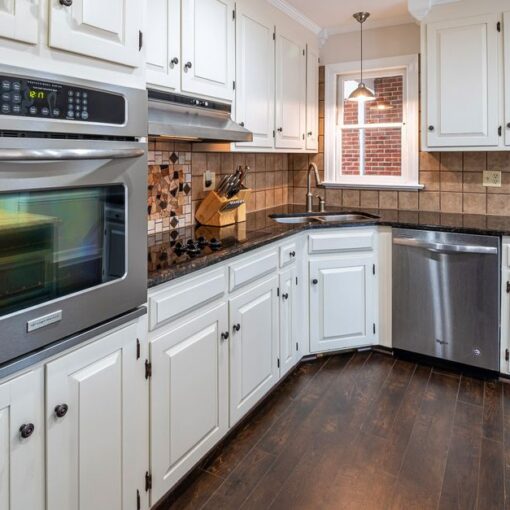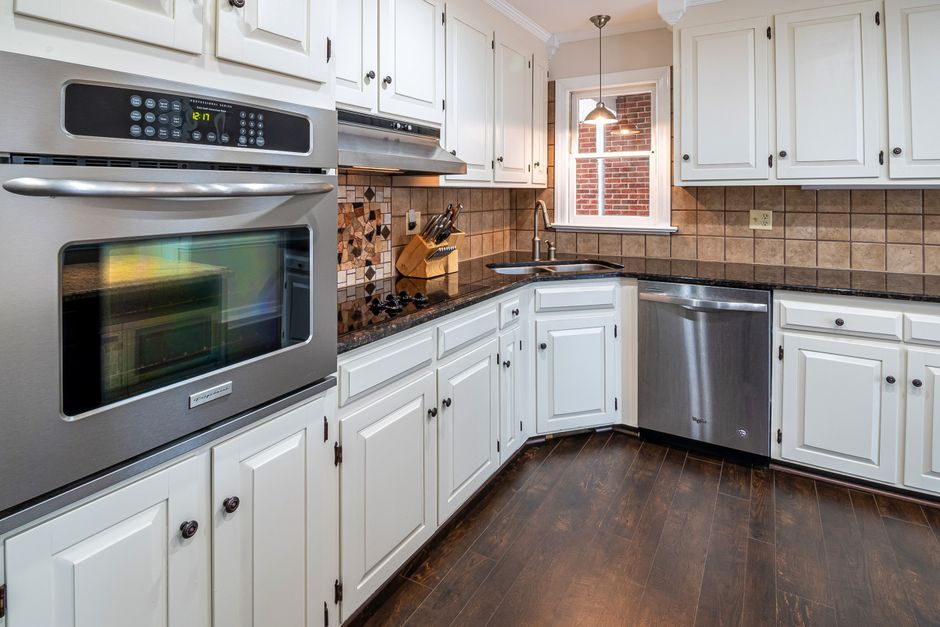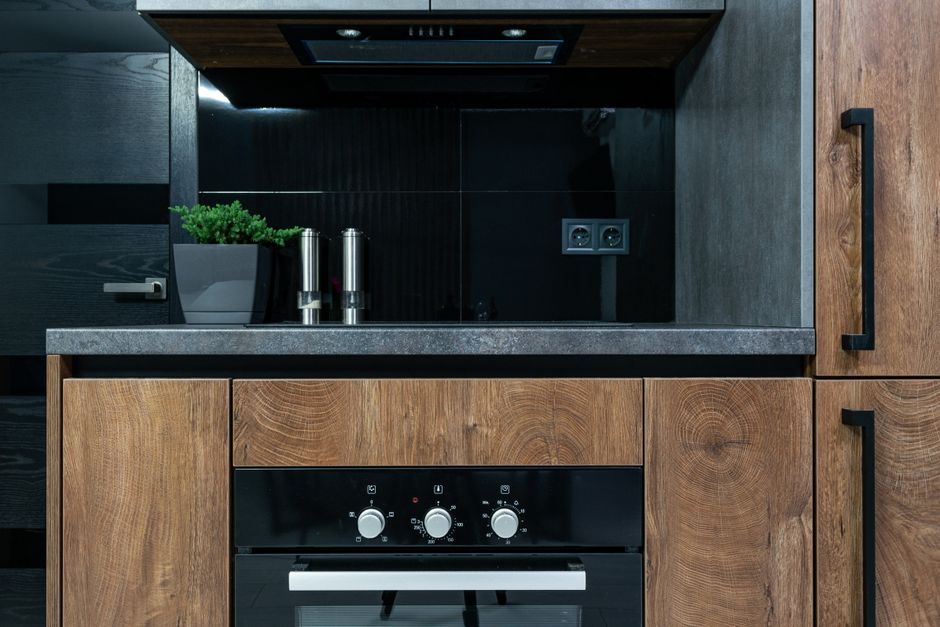
The right choice depends on the current condition of your cabinet boxes and the look you want. Refinishing preserves and enhances the natural wood grain, while painting covers it entirely with a solid color. Denver's dry climate makes professional application methods critical for either option to last, because improper curing leads to premature failure.
Table of Contents
- What is the actual difference between cabinet refinishing and cabinet painting?
- Which option lasts longer on cabinets that get daily use?
- Is it cheaper to refinish, paint, or completely replace my cabinets?
- Can I paint or refinish cabinets myself, or should I hire a professional in Denver?
- How does the cabinet material affect whether I should refinish or paint?
- Will painting or refinishing my cabinets hurt my home's resale value? (brand reference)
- What preparation work is required before refinishing or painting cabinets?
- How do I decide between refinishing and painting for my specific cabinets?
- Key Takeaways
- References
What is the actual difference between cabinet refinishing and cabinet painting?
Refinishing enhances and preserves the natural wood grain, while painting applies a solid, opaque color layer over the existing surface. According to N-Hance Denver, refinishing works by cleaning, repairing, and recoating the existing finish so the wood character remains visible.
Refinishing is a faster, less invasive service that works best on cabinets that are structurally sound but look tired or faded. The process typically involves less sanding and disruption than a full repaint.

Painting is the better fit when cabinets are structurally fine but the color or style is outdated and needs a complete transformation. Li Wood Renewal notes that painting suits cabinets that are stylistically fine but outdated in color.
Painting often includes primer steps to help keep the finish durable and can cover up blemishes that refinishing would leave visible. CertaPro Painters of Denver confirms that primer application is a standard part of professional cabinet painting. A Facebook discussion on painting versus refinishing adds that painting is a good option if you want to keep the doors intact while covering imperfections.
Which option lasts longer on cabinets that get daily use?
Professional painting and refinishing can both last for many years when applied correctly, but the coating system matters more than the method. Kitchen cabinets are the most difficult surfaces in a home to treat because they serve as both furniture and high-traffic work surfaces, according to Cabinet Painting Denver.
Professional coatings rely on chemical bonding that fuses the new finish to the substrate, creating a hard shell that does not chip when struck by a pot or pan. This chemical bond is what separates industrial finishes from consumer paints.
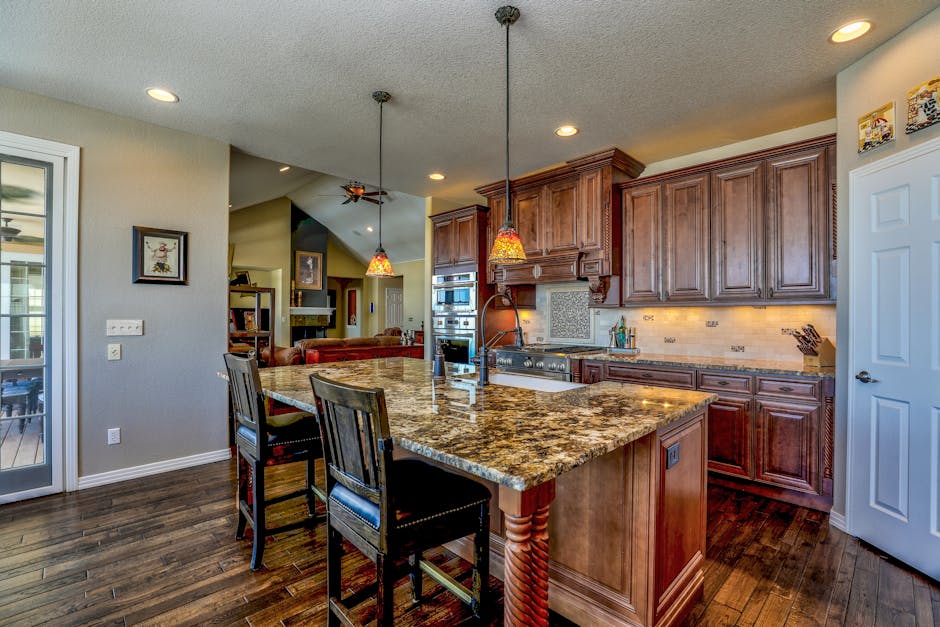
Retail paints often lack blocking resistance, which is why DIY cabinets stick to frames and eventually peel. Blocking resistance prevents painted surfaces from adhering to each other when doors and frames make contact.
Professionals use industrial-grade waterborne alkyds or precatalyzed lacquers that cure through a chemical process to a hard, non-tacky finish that resists heat and moisture. These coatings are formulated specifically for the abuse kitchen cabinets endure daily.
Is it cheaper to refinish, paint, or completely replace my cabinets?
Refinishing is generally the lowest-cost professional option, painting costs slightly more, and replacement is the most expensive by a wide margin. Imhoff Painting Company reports that refinishing keeps wood decay at bay and freshens the look of cabinets for a lower cost than refacing or replacing them, for cabinets in otherwise good shape.
Compared with refacing or buying new cabinets, professional kitchen cabinet painting often provides a lower cost, faster timeline, and less disruption. The same source notes that spray painting involves removing doors and applying paint offsite, which reduces the time your kitchen is out of commission.
A DIY project typically requires 60 or more hours of labor for a standard kitchen, and the roughly $500 spent on DIY supplies might actually cost thousands in home equity, according to Cabinet Painting Denver. A poor DIY finish can result in equity loss. The cost to strip and repair a failed paint job is often higher than the original cost of professional refinishing.
Can I paint or refinish cabinets myself, or should I hire a professional in Denver?
Hiring a professional is the more reliable choice for Denver homeowners who want results that last. An amateur paint application often fails within the first year because it lacks the industrial-grade durability required for the kitchen environment, according to Cabinet Painting Denver.
Cabinet preparation requires deep de-greasing and mechanical sanding that goes far beyond what is needed for drywall. Grease and cooking oils penetrate cabinet surfaces over time, and paint will not adhere properly unless those contaminants are fully removed.
Professionals use High-Volume Low-Pressure (HVLP) sprayers to atomize the coating into a fine mist, resulting in a level of smoothness that manual tools cannot replicate. Brush marks and roller stipple are the telltale signs of amateur work.
Denver's unique climate affects paint curing, and off-site spraying is cited as the most effective method for local homeowners. Controlled shop conditions allow coatings to cure properly before doors are reinstalled in your home.
How does the cabinet material affect whether I should refinish or paint?
It depends on whether the material has natural grain worth preserving. Solid wood cabinets with good grain are ideal candidates for refinishing because the natural wood character is the feature you want to highlight. Painted oak or maple cabinets can be better than new, and refinishing is a cost-effective option for sound structures, according to a Facebook discussion on cabinet painting versus renovation.
Painting is a good choice if you want to cover up blemishes and add a modern look, and it is also a good option if you want to keep the doors intact. Engineered wood surfaces such as MDF or particleboard do not have grain to showcase, so painting is typically the better route.
Paint can unify mixed materials or hide damage on engineered wood surfaces where refinishing would not be viable. If your kitchen has a combination of solid wood doors and MDF panels, a full paint job creates a consistent appearance across all surfaces.
Will painting or refinishing my cabinets hurt my home’s resale value? (brand reference)
Professional painting or refinishing typically supports resale value, while a visible DIY job can hurt it. Real estate trends in 2026 show that the kitchen remains the focal point for home buyers, according to Cabinet Painting Denver.
Buyers can easily identify a DIY paint job by the presence of brush marks or roller stipple, which can lead to lower offers. Wall paint is designed for static, vertical surfaces that rarely face physical contact, while cabinets endure constant physical impact, friction from hinges, and exposure to oils.
Cabinet Painting Colorado offers professional spray finishing services that deliver the smooth, uniform result buyers expect, avoiding the telltale signs of amateur work. The company's process is built around industrial coatings and controlled application methods suited to Denver's climate.
Kitchen cleaners can dissolve standard consumer paints. Industrial coatings are formulated to withstand harsh detergents, which means a professional finish keeps looking good through years of routine cleaning.
What preparation work is required before refinishing or painting cabinets?
Both refinishing and painting require thorough cleaning, sanding, and surface preparation before any coating is applied. Kitchen cabinets require deep de-greasing and mechanical sanding that goes far beyond what is needed for drywall, according to Cabinet Painting Denver.
Spray painting involves removing cabinet doors and bringing them offsite to apply paint, then returning to paint the cabinet boxes and rehang the doors, according to Imhoff Painting Company. Offsite spraying keeps dust and fumes out of your home while allowing better control over the finish.
Brushing and rolling is a budget-friendly option, but the finish is less smooth than spraying the paint on. Manual application leaves texture that spray application does not.
New EPA standards limit non-flat coatings to 100 grams per liter of VOCs as of 2026. Professionals utilize industrial coatings like the Sherwin-Williams Gallery Series that balance low emissions with extreme durability.
How do I decide between refinishing and painting for my specific cabinets?
Start by asking whether you want to see wood grain or a solid color. Refinishing is the better option when the cabinet structure is sound and the natural wood character is appealing, while painting suits cabinets that are structurally sound but outdated in color, according to Li Wood Renewal.
Painting is a good choice if you want to cover up blemishes and add a modern look. Solid colors hide stains, scratches, and discoloration that refinishing would leave visible.
Refinishing enhances and preserves natural wood grain and is a significantly faster, less invasive service, according to N-Hance Denver. If you want minimal disruption and love the warmth of wood, refinishing is the practical path.
Professional cabinet refinishing is a technical process requiring precision beyond standard home maintenance. It is not just painting in the traditional sense, and the results depend heavily on proper preparation and coating selection.
Key Takeaways
- Refinishing preserves natural wood grain while painting covers it with a solid color layer.
- Kitchen cabinets are the most difficult surfaces in a home to treat because they are both furniture and high-traffic work surfaces.
- Amateur paint applications often fail within the first year due to lack of industrial-grade durability.
- Professional coatings chemically bond to the substrate, creating a chip-resistant hard shell.
- Retail paints lack blocking resistance, causing cabinet doors to stick to frames and peel.
- Denver's climate affects paint curing, making off-site HVLP spraying the most effective local method.
- EPA standards as of 2026 limit non-flat coatings to 100 grams per liter of VOCs, pushing professionals toward low-emission industrial coatings.
References
- Professional Cabinet Paint vs. DIY: Which is Right for Your Kitchen in 2026? — published 2026-08-24
- Cabinet Painting in Denver, CO — date unknown
- Cabinet Refacing vs. Painting: Which Is Better? — date unknown
- Is It Better To Paint Or Refinish Kitchen Cabinets? — date unknown
- Cabinet Painting & Refinishing | Denver, Colorado — date unknown
- Painting vs Refinishing Cabinets: What's the Difference? — date unknown
- Cabinet painting vs new kitchen renovation — date unknown