If you are searching for reliable cabinet refinishing services for dark wood to light finish, this guide will help you navigate the process from start to finish. Dark cabinets dominated kitchens for decades, but the shift toward brighter, more open living spaces has made light finishes the standard for modern homes. The transformation is achievable, but it demands more skill and preparation than a standard repaint. This article covers feasibility, cost, process, and how to identify a contractor who can deliver a durable, beautiful result that lasts well beyond 2026.
Table of Contents
- Why Homeowners Are Switching from Dark Wood to Light Finishes in 2026
- Can You Really Go from Dark Wood to a Light Finish? (Feasibility and Challenges)
- Cost of Cabinet Refinishing Services for Dark Wood to Light Finish
- DIY vs. Professional Refinishing: What You Need to Know
- How to Choose the Right Cabinet Refinishing Contractor
- Frequently Asked Questions About Dark-to-Light Cabinet Refinishing
- Making the Right Choice for Your Home in 2026
Why Homeowners Are Switching from Dark Wood to Light Finishes in 2026
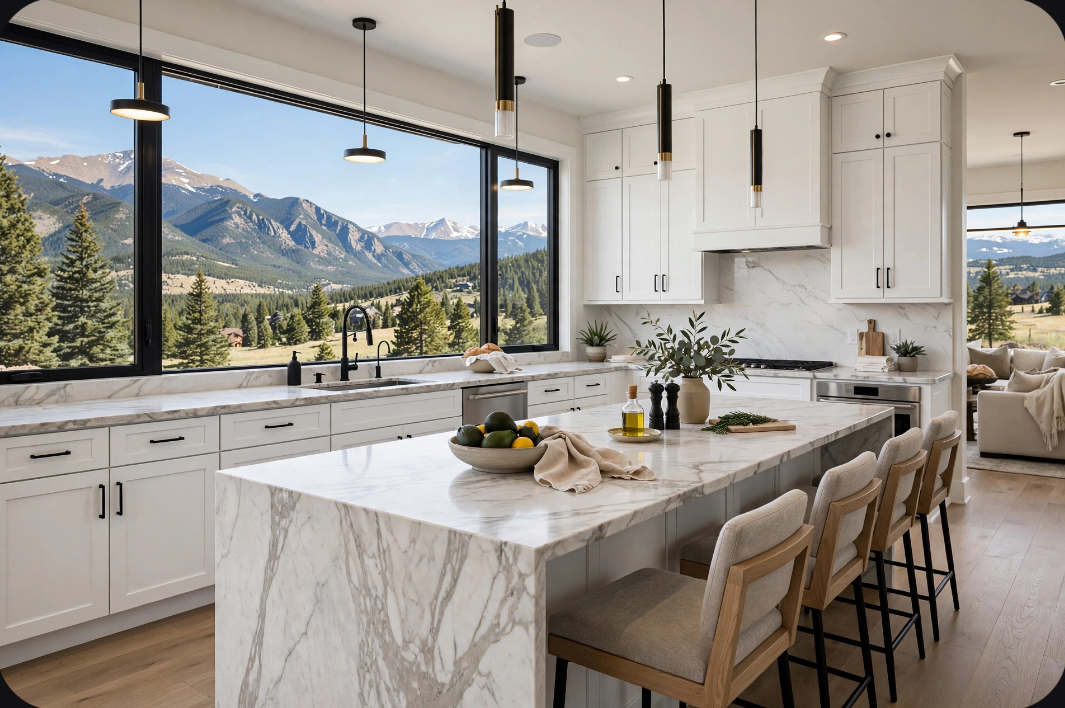
The preference for light cabinetry has solidified into a lasting design standard rather than a passing trend. Open-concept floor plans, which remain popular in new construction and renovations across the United States, benefit from the visual continuity that light cabinets provide. Dark wood can interrupt sight lines and make connected living spaces feel compartmentalized, while light finishes help rooms flow together.
Real estate data continues to show that kitchens with light, neutral cabinetry attract more buyer interest and higher offers than those with dated dark wood. Even homeowners with no immediate plans to sell recognize that a light kitchen feels cleaner, larger, and more current. In Colorado, where homes range from compact urban condos to sprawling mountain properties, the light-reflecting quality of pale cabinets helps maximize natural light during shorter winter days.
A notable shift in 2026 is the growing interest in light stains over solid paint. Whitewashed and pickled oak finishes, which preserve the wood grain while lightening the overall tone, offer a textured, organic look that paint cannot replicate. This approach appeals to homeowners who want a modern aesthetic without losing the warmth and character of real wood.
Can You Really Go from Dark Wood to a Light Finish? (Feasibility and Challenges)
The short answer is yes, but the path is more demanding than most homeowners expect. Dark stains penetrate deep into wood fibers, and simply painting over them invites problems. Without thorough preparation, tannins from the old finish will bleed through the new paint or stain, creating yellowish or pinkish discoloration that worsens over time.
Wood species plays a major role in how successful the transformation will be. Open-grain woods like red oak and ash accept stripping and sanding more readily, making them good candidates for lightening. Tight-grain species such as maple and cherry resist penetration from stripping agents, and their dense structure can make complete color removal difficult. In some cases, a two-part wood bleach is necessary to neutralize the remaining pigment before a light finish can be applied.
The bleed-through risk is the most common point of failure in dark-to-light projects. Water-based paints and primers alone will not block tannins. Professionals rely on shellac-based or oil-based stain-blocking primers specifically formulated to seal porous wood and lock in residual color. Skipping this step, or using an inadequate primer, almost guarantees a callback within months.
Homeowners should also calibrate their expectations. Not every dark cabinet can achieve a pure white or pale blonde result. The original wood species, the depth of the existing stain, and the condition of the wood all influence the final outcome. A professional consultation is the only reliable way to determine what is realistic for your specific kitchen.
The Professional Process: Step-by-Step for Dark-to-Light Transformation
Understanding the steps involved helps homeowners evaluate contractors and appreciate why dark-to-light refinishing commands a premium price.
Step one is deglossing and deep cleaning. Kitchen cabinets accumulate grease, cooking oils, and airborne particles that create a film resistant to paint adhesion. Professionals use heavy-duty degreasers and abrasives to strip this layer and prepare the surface for what follows.
Step two involves chemical stripping and progressive sanding. A commercial-grade stripper lifts the old stain and topcoat, which is then scraped away. Sanding follows, typically starting at 80 grit to remove the top layer of pigmented wood fibers and progressing through 120, 180, and 220 grit for a smooth substrate. This step is labor-intensive and accounts for much of the project cost.
Step three, wood bleaching, is optional but often necessary when moving from espresso or dark cherry tones to a very light finish. A two-part bleach system, applied in sequence, chemically neutralizes the natural color of the wood. This step requires careful timing and neutralization to avoid damaging the wood fibers.
Step four is priming with a high-hide, stain-blocking product. Shellac-based primers are the gold standard for tannin sealing, though some oil-based alternatives perform well. The primer must be applied in thin, even coats and allowed to cure fully before the finish coat.
Step five is the finish application. Whether the homeowner chooses paint or a light stain, professionals apply multiple thin coats using HVLP or airless spray equipment. This produces a smooth, factory-like surface free of brush marks. A clear topcoat, such as conversion varnish or catalyzed lacquer, provides hardness and chemical resistance that retail polyurethane cannot match.
Cost of Cabinet Refinishing Services for Dark Wood to Light Finish
Pricing for dark-to-light cabinet refinishing in 2026 typically falls between $4,000 and $9,000 for a standard 30-linear-foot kitchen. Projects at the higher end of that range involve extensive bleaching, multiple primer coats, or unusually complex door profiles that require additional hand-sanding.
The industry metric of $100 to $250 per linear foot provides a useful baseline, but dark-to-light work adds a 15 to 25 percent premium over same-color refinishing. The extra labor hours for stripping, sanding deeper into the wood, and applying blocking primers drive this increase. A kitchen with 40 doors and drawer fronts will naturally cost more than one with 20, regardless of square footage.
For comparison, full cabinet replacement in 2026 averages $15,000 to $30,000 or more, depending on cabinet quality and kitchen size. Refinishing preserves the existing cabinet boxes, which are often solid wood or plywood and superior to the particleboard used in many mid-range new cabinets. The savings of 50 to 70 percent make refinishing the clear financial winner when the cabinet structure is sound.
Homeowners should budget for ancillary costs that fall outside the refinishing quote. New hardware, including pulls, knobs, and soft-close hinges, can add $300 to $1,500. If the sink must be removed and reinstalled, a plumber may be needed. In kitchens with tile backsplashes installed after the cabinets, removing the doors and drawer fronts can expose gaps or damage that require drywall or tile repair.
DIY vs. Professional Refinishing: What You Need to Know
The DIY route for dark-to-light cabinet refinishing is technically possible, but the gap between online tutorials and real-world results is wide. Stripping chemicals are harsh and unforgiving. Sanding an entire kitchen worth of doors and frames generates enormous amounts of dust, even with dust extraction. Achieving a smooth, drip-free sprayed finish requires practice and equipment that most homeowners do not own.
Common DIY failures include uneven stain absorption from incomplete sanding, orange peel texture from improper spray technique, and finish delamination within months due to poor surface preparation. The cost of renting or buying spray equipment, purchasing quality primers and finishes, and investing the necessary time often narrows the savings gap considerably. A DIY project that takes four weekends and produces a mediocre result is not the bargain it first appears to be.
Professionals bring several advantages that are difficult to replicate at home. Commercial-grade finishes like conversion varnish cure harder and resist moisture and cleaning chemicals better than anything sold at home improvement stores. Dust-controlled spray environments prevent airborne particles from embedding in the wet finish. And perhaps most importantly, a reputable contractor warranties their work and will address any adhesion or bleed-through issues that arise.
DIY can make sense for a small bathroom vanity or a single built-in cabinet. For a full kitchen, the risk of an expensive do-over makes professional cabinet refinishing services for dark wood to light finish the more prudent investment. Safety is also a factor: chemical strippers and wood bleaches require respirators, gloves, and ventilation that most home setups cannot provide.
How to Choose the Right Cabinet Refinishing Contractor
Selecting a contractor for dark-to-light work requires more scrutiny than hiring for a standard paint job. Start by asking for a portfolio that specifically shows dark wood transformed to light finishes. A contractor who has only painted cabinets white over existing light finishes has not demonstrated the skills this project demands.
During the estimate, pay attention to the process the contractor describes. Do they mention wood bleaching as an option? What primer system do they use? Will they spray the finish on-site or in a shop? A detailed, transparent explanation of each step signals experience and professionalism. Contractors who gloss over preparation and focus only on the final color should raise a red flag.
Environmental considerations matter more in 2026 than in years past. Many homeowners now request low-VOC or zero-VOC finishes, especially in kitchens where food is prepared and families spend hours each day. Ask whether the contractor offers these options and whether they affect durability or cure time. Some water-based conversion varnishes now rival solvent-based products in hardness while emitting far fewer compounds.
Request a written estimate that itemizes each phase: cleaning, stripping, sanding, bleaching if needed, priming, finish coats, and topcoat. Flat-rate quotes that bundle everything into a single line item make it impossible to compare bids or understand what you are paying for. The estimate should also specify who handles hardware removal and reinstallation, sink disconnection, and any necessary drywall or trim work.
Finally, read reviews with a focus on longevity. A five-star review posted the day after project completion tells you the cabinets looked good on arrival. A review posted a year or two later that mentions the finish still looking new tells you the work was done right. Search for terms like "holding up," "durable," and "no peeling" when evaluating testimonials.
Frequently Asked Questions About Dark-to-Light Cabinet Refinishing
Q: Can you restain cabinets from dark to light?
A: Yes, but the process requires stripping the existing stain completely down to raw wood. Restaining is more demanding than painting because any residual dark pigment will show through a light stain. Painting is often the more predictable and cost-effective route for achieving a light finish, though a skilled refinisher can produce beautiful light-stained results on suitable wood species.
Q: How long does the process take?
A: A professional crew typically completes a dark-to-light kitchen refinish in 5 to 10 business days, depending on kitchen size, the number of finish coats, and whether bleaching is required. DIY projects commonly stretch to 3 to 6 weeks due to limited working hours and learning curves.
Q: Will the dark wood grain show through light paint?
A: It can. Open-grain woods like oak have a pronounced texture that may telegraph through paint unless a high-build primer and multiple paint coats are applied. If a completely smooth, grain-free look is desired, the contractor must fill the grain with a paste wood filler before priming, which adds time and cost.
Q: Is it cheaper to paint or stain light?
A: Painting is generally slightly less expensive because it is more forgiving of minor surface imperfections. Staining requires a flawless, uniformly sanded wood surface to absorb the stain evenly, which demands more preparation labor.
Q: Do you offer free estimates?
A: Most reputable cabinet refinishing services provide free, on-site estimates. An in-person assessment allows the contractor to evaluate the wood species, existing finish condition, and kitchen layout before providing an accurate quote.
Making the Right Choice for Your Home in 2026
Dark-to-light cabinet refinishing delivers one of the highest visual impacts per dollar of any kitchen update. It preserves the structural quality of existing cabinetry while completely transforming the room's atmosphere, and it costs a fraction of a full replacement. The key to a successful outcome lies in the preparation: stripping, sanding, and priming account for roughly 80 percent of the final result. Cutting corners in these early stages guarantees disappointment, regardless of how good the topcoat looks on day one.
If you are ready to explore the possibilities for your kitchen, schedule a consultation with a local professional who specializes in cabinet refinishing services for dark wood to light finish. Ask to see examples of similar transformations, request a detailed written estimate, and confirm that the contractor uses stain-blocking primers and commercial-grade topcoats. A properly executed refinish will last 10 to 15 years or more, making it a genuine long-term investment in both your daily enjoyment of your home and its eventual resale value.