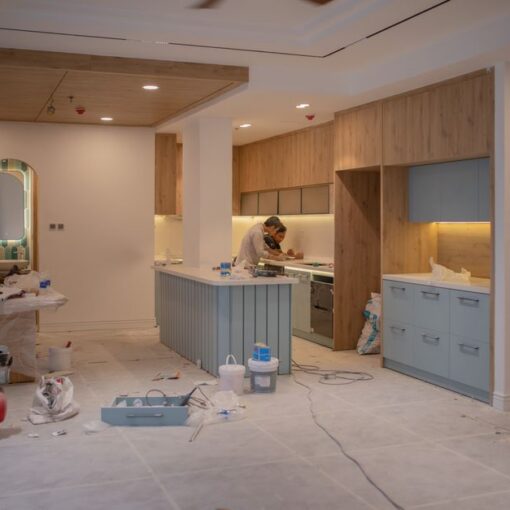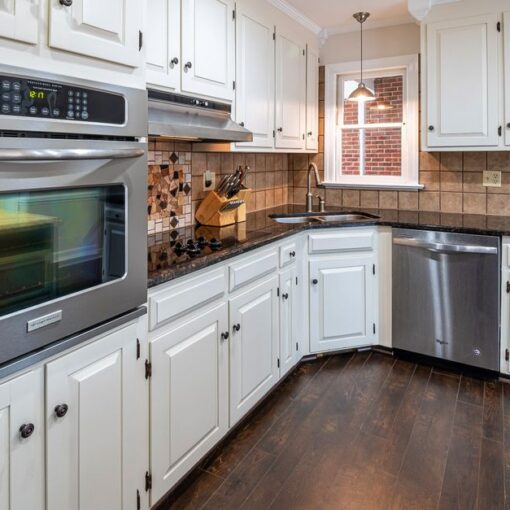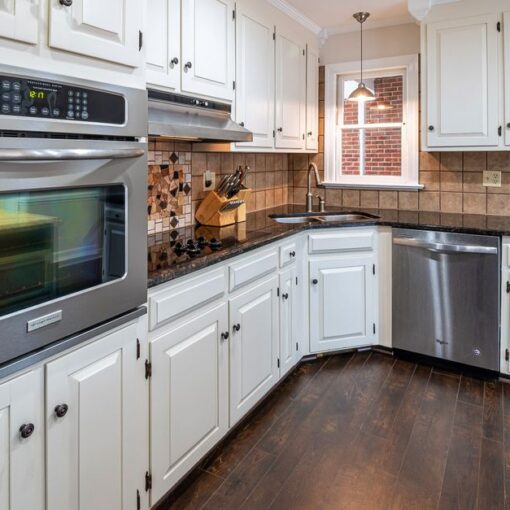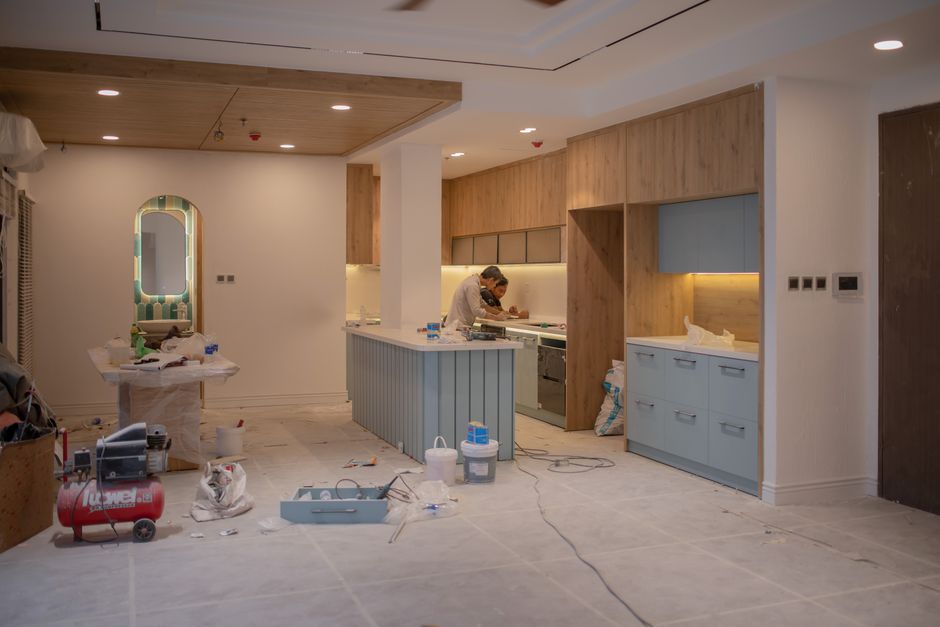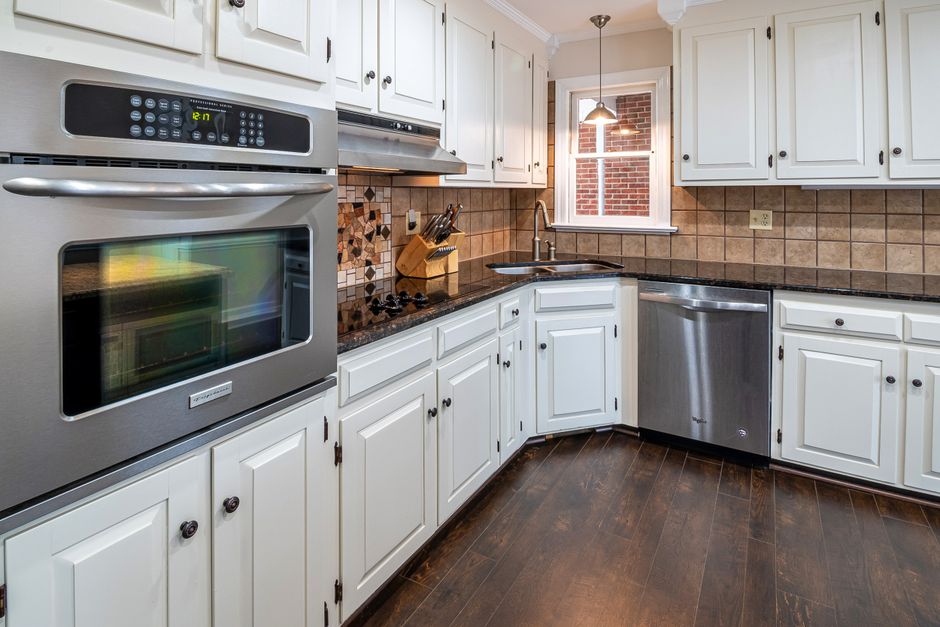
Most Denver County kitchens cost between $3,500 and $7,500 for a sprayed factory lacquer finish in 2026, according to Cabinet Painting Denver CO. Replacing the same cabinets typically runs $20,000 to $45,000, making professional painting a $15,000 to $30,000 savings. Cabinet Painting Colorado has sprayed Denver cabinets since 1979 and offers a free in-home estimate with a 3-year warranty across the entire City and County of Denver, from Capitol Hill to Green Valley Ranch.
Table of Contents
-
Why are Denver County homeowners repainting cabinets instead of replacing them in 2026?
-
What does “Denver County” actually cover, and which neighborhoods do you serve?
-
What is the factory-finish process, and why does it beat a brush-and-roller job?
-
Which cabinet finishes hold up best in Denver’s dry climate?
-
How do you vet a cabinet painter in Denver County before you hire?
Why are Denver County homeowners repainting cabinets instead of replacing them in 2026?
The math is straightforward: a sprayed factory lacquer cabinet paint job costs $3,500 to $7,500 for most Denver kitchens, while full cabinet replacement runs $20,000 to $45,000, according to Cabinet Painting Colorado. That is a savings of $15,000 to $30,000 for a finish that looks factory-new.
Denver’s 2026 housing market makes replacement harder to justify for a cosmetic upgrade. Home values remain high across Denver County, and material and labor costs for new cabinetry have not dropped. A kitchen that functions well but looks dated is a prime candidate for refinishing rather than demolition.
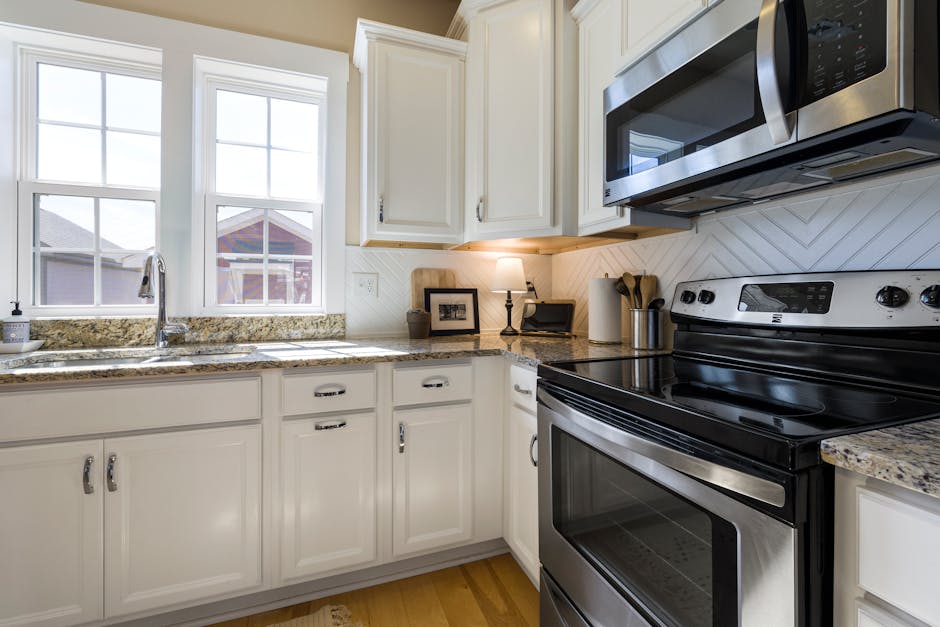
Painting is generally less expensive than refacing cabinets, according to Denver Cabinet Painters. Refacing replaces doors and veneers but keeps boxes, which still costs more than a full spray refinish. For Denver homeowners who want a color change without structural work, painting delivers the visual reset at the lowest cost.
Replacement lead times and cabinet material costs remain elevated heading into 2026. Semi-custom and custom cabinet orders can stretch weeks or months, while a professional spray refinish typically wraps in five to six days on-site. That speed matters for Denver sellers preparing a home for listing and for buyers who want their kitchen updated before move-in.
The ROI framing is direct: refreshed cabinets support resale in competitive Denver neighborhoods without a full remodel. In markets like Washington Park, Cherry Creek, and Park Hill, buyers notice kitchens first. A clean, modern cabinet finish can shift buyer perception without the cost and disruption of a gut renovation.
What does “Denver County” actually cover, and which neighborhoods do you serve?
Denver County is the City and County of Denver, one consolidated municipality, not a county with separate cities inside it. Cabinet Painting Colorado serves all Denver County neighborhoods with the same factory-finish process, from historic districts to new-build communities. The coverage area includes every ZIP code in the city and county.
Capitol Hill features historic Victorians and early 20th-century apartment buildings with original wood cabinets that benefit from careful prep and lacquer spraying. Cherry Creek homes range from mid-century ranches to newer luxury builds, often with larger kitchens and island configurations. Washington Park and Wash Park West contain a mix of bungalows, Tudors, and scraped lots rebuilt with modern kitchens.
Highland and LoHi are known for rowhouses and updated bungalows with open kitchens that anchor the main floor. Berkeley and Sloan’s Lake have a similar mix of prewar homes and newer infill, with many kitchens facing natural light. Baker features Victorian and Denver Square homes where cabinet color choices often lean traditional or moody.

LoDo and Downtown Denver are dominated by condos and lofts, where HOA rules and elevator scheduling shape the cabinet painting process. RiNo and Five Points include converted warehouses and new apartment buildings, often with flat-panel or slab cabinet doors. Park Hill is known for brick bungalows and larger Colonials, many with original oak kitchens.
Central Park, formerly Stapleton, contains newer builds with painted or laminate cabinets that need de-glossing before refinishing. Lowry and Hilltop feature a mix of mid-century and newer construction, often with larger kitchens and built-ins. Congress Park and Cheesman Park hold Denver Squares and bungalows with high-use family kitchens.
Platt Park, University and DU, and Bonnie Brae include bungalows, ranches, and student-adjacent rental properties where durable finishes matter. Virginia Village and Hampden are known for mid-century ranches and split-levels, many with original 1960s and 1970s cabinets. Green Valley Ranch and Montbello contain newer suburban-style homes, often with oak or laminate kitchens.
The enclaves Glendale and Holly Hills are surrounded by Denver and served as part of the same coverage area. Denver County ZIP codes served include 80202, 80203, 80204, 80205, 80206, 80207, 80209, 80210, 80211, 80218, 80220, 80230, and 80238.
What drives the cost of cabinet painting in Denver County?
Door and drawer count is the primary price driver. A 40-door-and-drawer kitchen is a different scope than a small bath vanity with six doors. Each door and drawer front must be labeled, removed, prepped, primed, sprayed front and back, sanded between coats, and reinstalled, so the count directly scales labor time.
Oak grain filling is a major Denver-specific cost factor. Oak cabinets are the most common type of kitchen cabinets in the Denver metro area and were especially popular in the 1980s, according to Denver Cabinet Painters. Oak’s open grain shows through paint unless it is filled or covered with a second primer coat, which adds prep time and material cost.
Cabinet condition changes prep time. Laminate and MDF cabinets need de-glossing and adhesion primers, while previously painted cabinets may need stripping or repair before new coatings. Grease buildup, water damage, and loose hinges all add labor. A cabinet in poor condition costs more to bring to a smooth, durable finish.
Finish type matters. Low-VOC precatalyzed lacquer costs more than acrylic or latex but lasts far longer. Cabinet Painting Colorado states that house painters’ brushed latex chips in 6 to 12 months, while sprayed precatalyzed lacquer holds 10-plus years. The material cost difference is modest compared to the durability gain.
Add-ons move the number. Island color changes, interior cabinet painting, new hardware drilling, and glass insert installation all add scope. Two-tone kitchens, such as a navy island with a white perimeter, require masking and separate spray sessions, which increases labor. A fixed written estimate should itemize these items before work begins.
What is the factory-finish process, and why does it beat a brush-and-roller job?
The factory-finish process starts with masking and protecting the kitchen, then labeling and removing every door and drawer front. Each piece gets a numbered tag so it returns to the exact same opening. Cabinet boxes stay in place and are prepped on-site, while doors and drawer fronts go to a spray booth.
Next comes degreasing, sanding, and de-glossing every surface. Denver kitchens accumulate cooking oils and hand oils that block paint adhesion, so this step is non-negotiable. Boxes are prepped in place with the same degreasing and sanding sequence. Skipping prep is the fastest way to get peeling paint within a year.
Doors and drawer fronts are sprayed off-site in a mobile spray booth, never brushed or rolled. Cabinet Painting Colorado states it never uses brushes or rollers on cabinets. Spraying produces a smooth, factory-like surface with no brush marks, no roller stipple, and no lap lines.
The coating system uses a precatalyzed lacquer primer, with a second primer coat for oak or dark-stained cabinets. Topcoats are sprayed front and back with sanding between each coat. Colorado Cabinet Painting states that doors in its shop each get one coat of primer and two coats of paint front and back, with sanding between each coat.
The durability difference is stark. Brushed latex from a general house painter chips in 6 to 12 months, while sprayed precatalyzed lacquer holds 10-plus years, according to Cabinet Painting Colorado. Lacquer also handles Denver’s dry climate and high-use kitchens better than water-based acrylics, which can soften or wear at contact points.
Which cabinet finishes hold up best in Denver’s dry climate?
White is the top seller for brightening older Denver kitchens and hiding oak grain. A white sprayed lacquer finish reflects light, makes small Denver bungalow kitchens feel larger, and provides a neutral backdrop for resale. White also shows the least variation across door and drawer fronts when applied by spray.
Warm greige is forgiving in high-traffic family kitchens and hides fingerprints better than pure white. Greige tones work well in mid-century ranches in Virginia Village and Hampden, where warmer wood floors and brick accents call for a softer neutral. The finish reads current without feeling trendy.
Sage green is popular in bungalows and Victorians in Park Hill, Baker, and Congress Park. The muted green pairs well with original wood trim and brass hardware, and it adds color without overwhelming a period kitchen. Sage also hides minor wear better than very light or very dark colors.
A navy island with a white perimeter is a common two-tone request in Wash Park and Cherry Creek. The navy anchors the kitchen and hides scuffs on the most-used surface, while the white perimeter keeps the room bright. Two-tone jobs require extra masking and separate spray sessions, which adds cost.
Black and natural wood stain are statement options. Black works on modern slab doors in LoDo and RiNo condos, while natural wood stain preserves the character of quality wood cabinets. Stain work on oak requires grain-cover decisions, because stain highlights grain while paint can hide it. N-Hance of Denver offers custom finishes including matte, satin, semi-gloss, and gloss sheens.
How do you vet a cabinet painter in Denver County before you hire?
Confirm licensed and insured status first, and ask whether employees or subcontractors do the work. Cabinet Painting Colorado uses background-checked employees, not subcontractors. That distinction matters for accountability, consistency, and security in your home during a multi-day project.
Ask for a written warranty. Cabinet Painting Colorado offers a 3-year warranty on its cabinet painting work. A warranty signals that the painter stands behind adhesion, finish durability, and workmanship. Verbal promises are not enforceable; a written warranty is.
Check reviews and longevity. Cabinet Painting Colorado has transformed 4,000-plus Denver kitchens since 1979, according to Cabinet Painting Colorado. Colorado Cabinet Painting holds a 5.0 rating from 104 reviews on Thumbtack and has specialized in cabinet painting for 11 years. Longevity and review volume reduce hiring risk.
Ask whether doors are sprayed in a booth or brushed on-site, and whether lacquer or latex is used. A booth-sprayed lacquer finish is the standard for factory-quality results. Brushed latex is cheaper but fails faster. The answer to this question tells you whether you are hiring a cabinet specialist or a general house painter.
Get a free in-home estimate with a fixed scope and timeline. Cabinet Painting Colorado provides free in-home estimates for Denver County with fast scheduling and a 5 to 6 day on-site process. A written scope prevents mid-project upcharges and sets expectations for door removal, kitchen access, and reinstall timing.
Cabinet painting in Denver County: FAQ
How long does a cabinet painting project take? Most jobs run 5 to 6 days on-site, with doors picked up Monday and reinstalled Friday, according to Colorado Cabinet Painting. N-Hance of Denver states most refinishing projects finish in five days or less.
Can I use my kitchen during the project? Yes, with limits. Cabinet boxes remain in place, so you can access dishes and countertops, but doors and drawers will be off-site for several days. Plan for open shelving, exposed contents, and some dust from on-site box prep. Most Denver homeowners set up a temporary kitchen station.
Are there eco-friendly finish options? Yes. Cabinet Painting Colorado uses low-VOC precatalyzed lacquer. N-Hance of Denver states its process produces fewer VOCs and has no lingering odors. Proper ventilation during spraying and curing further reduces indoor air impact.
Do you paint bathroom, laundry, and built-in cabinets? Yes. Bathroom, laundry, and built-in cabinets are priced and sprayed with the same factory-finish process as kitchens. Vanities, linen cabinets, mudroom built-ins, and laundry room storage all benefit from the same lacquer system and durability.
What about HOA and condo rules in LoDo, RiNo, and Downtown high-rises? Condo projects require scheduling coordination for elevator use, hallway protection, and neighbor notice. Cabinet Painting Colorado works within HOA requirements in Denver County high-rises and mid-rises. Confirm building rules before scheduling, and provide the HOA contact to your painter early.
Key Takeaways
-
Most Denver County kitchens cost $3,500 to $7,500 to spray with factory lacquer in 2026, versus $20,000 to $45,000 to replace.
-
Denver County is the City and County of Denver, one municipality, with service covering every neighborhood from Capitol Hill to Green Valley Ranch and Montbello.
-
Denver’s most common cabinet is 1980s oak, which needs grain-cover prep and a second primer coat before topcoats.
-
Doors and drawers are sprayed off-site in a booth with one primer coat and two finish coats front and back, sanded between each coat.
-
Brushed latex chips in 6 to 12 months, while sprayed precatalyzed lacquer lasts 10-plus years in Denver’s dry climate.
-
Cabinet Painting Colorado has sprayed 4,000-plus Denver kitchens since 1979, uses background-checked employees, and backs work with a 3-year warranty.
-
Typical projects finish in 5 to 6 days on-site, and bathroom and laundry cabinets are handled with the same process.
References
-
Colorado Cabinet Painting | Denver, CO — date unknown
-
Cabinet Painting Denver | Factory Finish Specialists — date unknown
-
Kitchen Cabinet Painter: Cabinet Painting Contractor Denver — date unknown
-
Cabinet Refinishing in Denver CO — date unknown