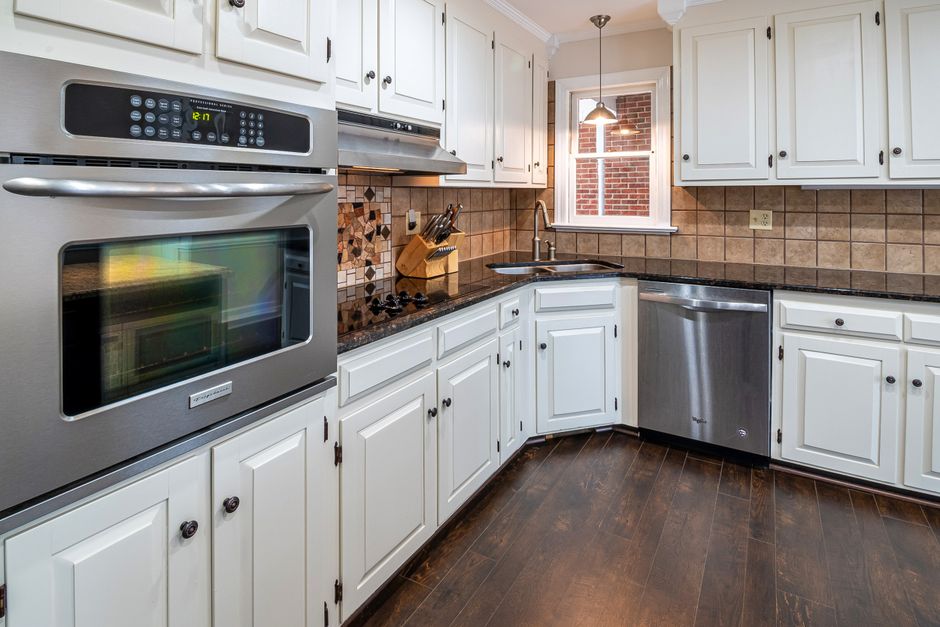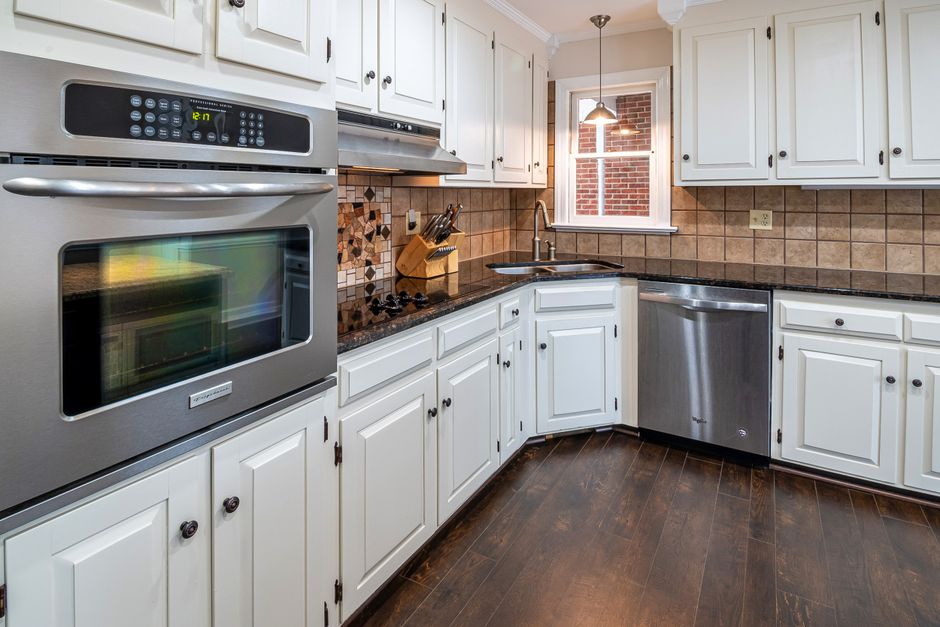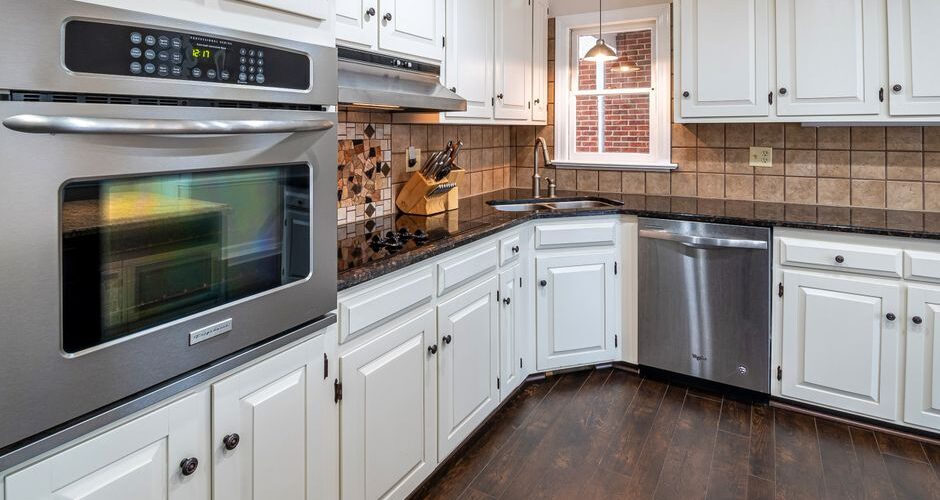


If you are a homeowner weighing a kitchen update, the cabinet painting vs replacement cost comparison is likely your first stop. This guide breaks down the real numbers for 2026. Painting costs roughly one-tenth of a complete replacement, and that single fact reshapes how thousands of homeowners approach their renovation decisions this year. But the price tag is only the beginning. The right choice depends on the condition of your cabinets, how long you plan to stay in your home, and what kind of disruption you are willing to tolerate. Here is everything you need to know to make a confident, informed decision.
Table of Contents
- The Bottom Line: How Much Does Each Option Really Cost?
- Timeline and Disruption: How Long Will My Kitchen Be Out of Service?
- Which Option Delivers Better Value? ROI and Lifespan
- When You Should Absolutely Paint (And When You Must Replace)
- The Middle Option: What About Cabinet Refacing?
- Professional vs. DIY: The Quality Trap
- How to Get an Accurate Estimate for Your Kitchen
- Final Verdict: Which One Should You Choose in 2026?
The Bottom Line: How Much Does Each Option Really Cost?
Professional cabinet painting for an average kitchen runs between $1,500 and $9,000 nationwide. In Colorado, most homeowners land in the $4,000 to $7,000 sweet spot for a full professional spray job that includes extensive prep, primer, and two coats of high-grade urethane or enamel paint. The final number depends on kitchen size, cabinet complexity, and the condition of the existing finish.
Cabinet replacement is a different financial universe. Expect to pay $8,000 to $40,000 or more, and that is before the hidden costs that almost always accompany a full tear-out. A mid-range replacement with solid wood doors and plywood boxes typically starts around $15,000 and climbs quickly from there. Custom cabinetry, soft-close hardware, and specialty finishes push the total past $30,000 without breaking a sweat.
The one-tenth rule is a useful anchor. A $5,000 paint job delivers a visual transformation that would cost $40,000 or more to replicate with new cabinets. That is not marketing spin. It is the math that drives the entire cabinet refinishing industry. The caveat is that these are averages. Corner cabinets, islands, tall pantry units, and ornate door profiles all add labor hours and cost to either option. Your local market matters too. Urban Colorado pricing runs higher than rural areas, but the proportional gap between painting and replacement holds steady regardless of zip code.
What Drives the Price of Cabinet Painting?
Labor and prep account for roughly 70 percent of a professional painting quote. Sanding, degreasing, filling grain, priming, caulking seams, and masking off the kitchen are non-negotiable steps that determine whether the finish lasts two years or twelve. Shops that rush prep deliver paint that peels at the edges within months.
Paint quality is the second major variable. Professional-grade two-component urethanes and catalyzed enamels cost significantly more than off-the-shelf latex, but they cure to a hard, furniture-grade finish that resists chipping, yellowing, and moisture damage for eight to twelve years. Standard latex wall paint, by contrast, breaks down in a kitchen environment within two to three years.
Cabinet material also shapes the quote. Solid oak and maple take paint beautifully with standard prep. Thermofoil and laminate surfaces require specialty bonding primers that add cost. Particleboard boxes with water damage around the sink or dishwasher are not candidates for painting at any price. A reputable pro will tell you that upfront.
The Hidden Costs of Cabinet Replacement
Replacement triggers what one painting contractor memorably calls the "now we should also" effect. Once the old cabinets come out, the countertops go with them. That adds $2,000 to $8,000 for new stone or solid surface material. The backsplash rarely survives demolition intact, so budget another $1,000 to $3,000 for tile and installation. If the new cabinet footprint differs from the old one, the flooring may need patching or replacement, adding $500 to $1,500.
Plumbing and electrical work pile on. Moving a sink location, adding under-cabinet lighting, or rerouting a gas line for a new range costs $500 to $2,000 or more depending on your home's age and code requirements. Demolition and debris disposal add another $300 to $800. A $20,000 cabinet replacement easily becomes a $35,000 kitchen renovation before the first drawer is installed.
Timeline and Disruption: How Long Will My Kitchen Be Out of Service?
Professional cabinet painting takes three to seven days from start to finish. The kitchen remains mostly usable throughout. You lose counter space while doors and drawer fronts cure in a separate area, but the sink, refrigerator, and stove stay functional. There is no demolition dust, no dumpster in the driveway, and no weeks of eating takeout.
Cabinet replacement is a six-to-twelve-week commitment. The kitchen becomes a construction zone. No sink. No counters. No storage. You will need a temporary kitchen setup somewhere else in the house, complete with a microwave, mini-fridge, and a folding table. For families with young children, remote workers, or anyone who actually cooks, this disruption is a major hidden cost that does not appear on any invoice. The livable kitchen advantage of painting is often the deciding factor for households that cannot afford to lose their primary cooking space for a full season.
Which Option Delivers Better Value? ROI and Lifespan
Painting delivers a 60 to 80 percent return on investment at resale. A $5,000 professional paint job can add $3,000 to $4,000 to your home's perceived value by making the kitchen look newer, cleaner, and more move-in-ready. For pre-sale staging, painting is one of the highest-ROI improvements a homeowner can make.
Replacement can achieve up to 100 percent ROI in specific circumstances, but only when the original cabinets were structurally unsound or the kitchen layout was dysfunctional. If you are replacing water-damaged particleboard boxes or fixing a cramped, impractical floor plan, buyers will recognize the value. If you are swapping functional oak cabinets for white shaker simply because you prefer the style, you will not recoup the full $30,000 investment at closing.
My Review of Graco FFLP Tips for Spraying Cabinets
Lifespan is the other half of the value equation. Professionally sprayed cabinets last seven to twelve years before needing a refresh. New cabinets last fifteen to thirty years. If you plan to stay in your home for five years or fewer, painting is the clear financial winner. If this is your forever home and you want a thirty-year solution, replacement may justify the higher upfront cost.
Does painting devalue a home? This question surfaces frequently in homeowner forums, and the answer is a firm no. Professionally painted cabinets make a kitchen look updated and well-maintained. Buyers respond to clean, bright spaces. The only scenario where painting hurts value is a sloppy DIY job with visible brush strokes and peeling edges. Quality matters.
When You Should Absolutely Paint (And When You Must Replace)
Paint If
Your cabinet boxes are structurally sound with no water damage, rot, or warping. You like your current kitchen layout and have no desire to move walls, appliances, or the sink. You are working with a budget under $10,000 or planning to sell within three to five years. You want a dramatic color transformation, like taking dark oak from the 1990s to a clean, modern white, without the cost and waste of tearing out perfectly functional boxes.
Replace If
Your cabinets have extensive water damage, mold, or structural rot that compromises the box integrity. You want to change the kitchen layout by adding an island, moving the sink, or expanding the footprint. Your cabinets are low-quality builder-grade particleboard that is disintegrating at the corners and edges. You are already doing a full gut renovation and the cabinets are the last piece of a comprehensive redesign. In these cases, painting is a temporary bandage on a structural problem.
The Middle Option: What About Cabinet Refacing?
Cabinet refacing sits between painting and replacement in both cost and scope. Expect to pay $4,000 to $12,000 depending on kitchen size and material choices. The process involves replacing all doors and drawer fronts while covering the existing cabinet boxes with a matching wood or laminate veneer. Refacing makes sense when the boxes are solid but you want a completely different door style, such as switching from raised-panel oak to flat-panel slab doors, that painting alone cannot achieve. The downside is that you are still living with the old box structure, and the applied veneer can peel or delaminate over time, especially in high-moisture areas near the dishwasher or sink.
Professional vs. DIY: The Quality Trap
DIY cabinet painting costs $500 to $1,500 in materials. That covers paint, primer, brushes, roller sleeves, sandpaper, degreaser, and possibly a sprayer rental. The number looks attractive compared to a $5,000 professional quote. The problem is that DIY results rarely match professional quality. Common failures include brush strokes telegraphing through the finish, drips and sags on vertical surfaces, uneven sheen, and paint that chips at the corners within six months of daily use.
Professional painting costs $3,000 to $7,000 for a full kitchen and includes commercial spray equipment, catalyzed paints that cure harder than anything sold at home centers, and a warranty against chipping and peeling. The prep work alone, sanding every surface to the correct profile, filling grain on oak, applying bonding primer, and masking off the entire kitchen, is a multi-day process that requires experience to execute correctly. If you want a finish that looks like factory-new cabinets and lasts a decade or more, hire a pro. DIY is a reasonable choice for a rental property, a laundry room, or a temporary fix while you save for a full replacement. It is not the path to a showroom-quality kitchen.
How to Get an Accurate Estimate for Your Kitchen
Start by counting your cabinet boxes, not just the doors and drawers. Corner cabinets, tall pantry units, and islands with seating overhangs all add complexity and labor hours. Identify your cabinet material. Solid oak and maple are straightforward. Thermofoil, laminate, and MDF require specialty primers and techniques that not every painter offers. Collect three quotes from local professionals and ask for a line-item breakdown that separates prep labor, paint materials, and finish work. Finally, ask about the warranty. A reputable cabinet painting company stands behind its work with a two-to-five-year warranty against chipping, peeling, and adhesion failure. If a contractor cannot offer that, keep looking.
Final Verdict: Which One Should You Choose in 2026?
Choose painting if your budget is under $10,000, your cabinet boxes are solid, and you want a fast, low-disruption transformation that delivers a high return at resale. Choose replacement if your budget exceeds $15,000, your cabinets have structural problems, or you are changing the kitchen layout as part of a larger renovation. If you are unsure which camp you fall into, get a painting estimate first. Most experienced pros will tell you honestly if your cabinets are not good candidates for paint. You can always pivot to replacement, but starting with the lower-cost, lower-risk option is the smartest move for most homeowners. Contact Cabinet Painting Colorado for a free on-site assessment. We will evaluate your cabinets, discuss your goals, and give you a straight answer about whether painting is the right path for your kitchen.