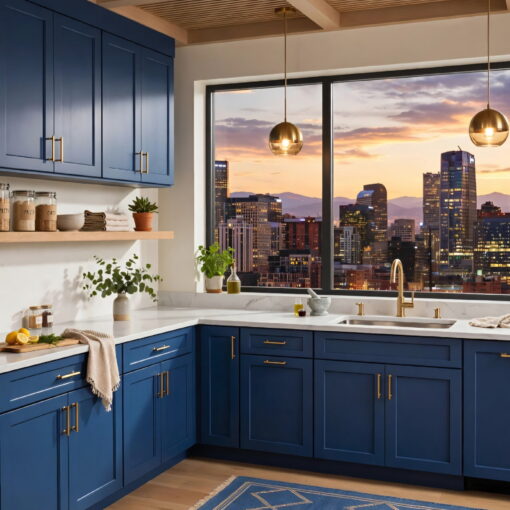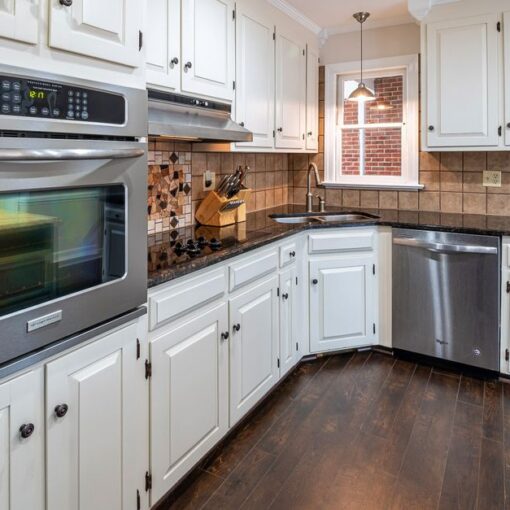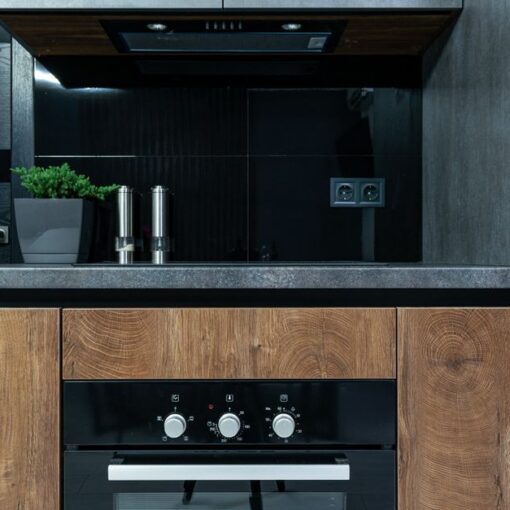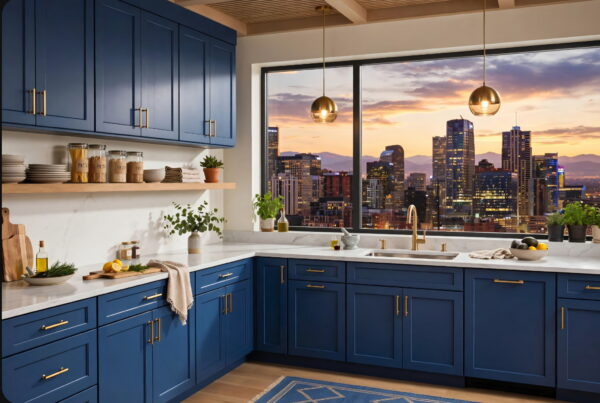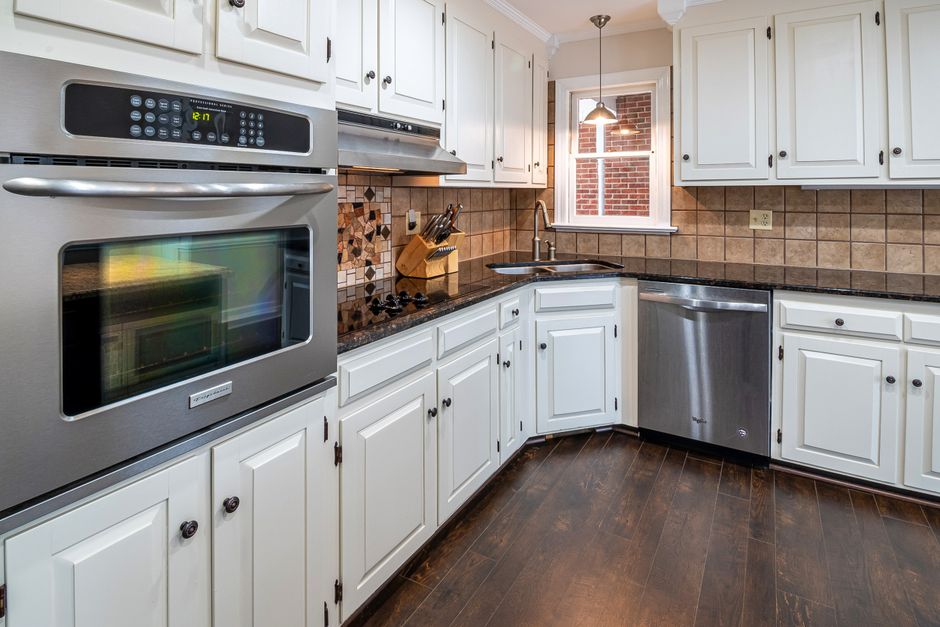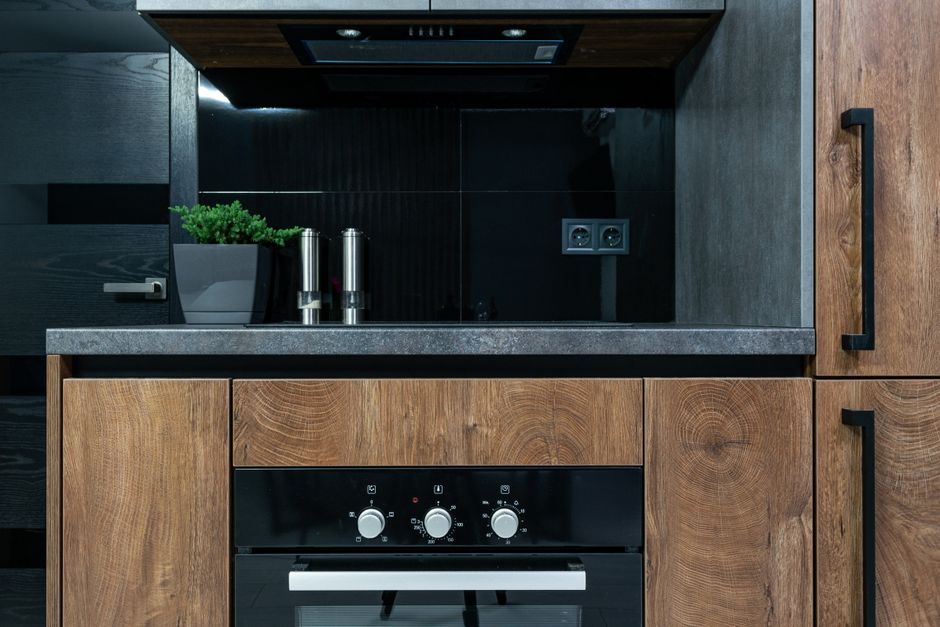
You walk into your kitchen and feel it. The layout works, the footprint is solid, but the cabinets have lost their soul. They look tired, not terrible. You have priced full replacements and the numbers land somewhere between startling and impossible: $30,000, $45,000, even $60,000 for a complete tear-out and rebuild. That is not a kitchen project; that is a second mortgage. There is a middle path, one that has quietly become the smartest money in home renovation this year. It is called custom cabinet refinishing with glazing and specialty finishes, and it delivers the depth, dimension, and durability of custom millwork at a fraction of replacement cost. By the end of this guide, you will know exactly what these finishes involve, what they cost, how they hold up, and why 2026 is the year this upgrade makes more sense than ever.
Table of Contents
Why Choose Custom Refinishing Over Replacement in 2026?
The financial argument has always been the headliner, and 2026 has only sharpened it. A full kitchen cabinet replacement in Colorado now averages between $25,000 and $60,000, depending on materials, layout, and labor. Professional refinishing, even with premium glazing and specialty finishes, typically runs between $4,000 and $8,500. That is not a small discount. That is a 70 to 80 percent reduction in cost for a result that looks like a brand-new, high-end installation.
Time matters just as much. A complete replacement can drag on for eight to sixteen weeks. During that stretch, your kitchen is a construction zone. You are washing dishes in the bathroom sink and eating takeout for months. Refinishing with glazing takes five to eight business days total, with only two to three days of active work inside your home. The doors and drawer fronts are often finished off-site in a controlled factory environment, while the frames are completed on-site under dust-containment protocols. The disruption is measured in days, not seasons.
There is also the environmental dimension, which more Colorado homeowners are weighing seriously. Tearing out a full kitchen sends hundreds of pounds of wood, laminate, and hardware to landfills. Refinishing keeps that material in place and out of the waste stream. It is a quieter form of sustainability, but a real one.
Then there is the quality question. Many people hesitate because they associate “refinishing” with the kind of paint job that chips around the knobs after a year. That was true once. It is not true now. Modern commercial-grade finishes, including UV-cured topcoats and catalyzed polyurethanes, cure harder than the factory finishes applied to cabinets twenty years ago. When the process is done correctly, the result is not a painted-over relic. It is a sealed, hardened surface engineered for daily use.
What Is Custom Cabinet Refinishing with Glazing?
Standard cabinet painting gives you a single flat color. It can look clean and modern, but it lacks dimension. Custom cabinet refinishing with glazing adds something more: depth, shadow, and architectural presence.
My Review of Graco FFLP Tips for Spraying Cabinets
The process starts with the same foundation as any good refinishing job. The old finish is stripped or sanded down to a sound substrate. A high-bond primer is applied, followed by two coats of the base color, typically sprayed for a smooth, factory-grade surface. That is where a basic paint job stops.
Glazing begins after the base coat has cured. A translucent glaze, usually oil-based or water-based and tinted to a specific color, is hand-applied over the base. The artisan works it into the recesses: the inner panels of a Shaker door, the bevels of a raised-panel profile, the grooves along the stiles and rails. Then the excess is wiped away from the flat surfaces, leaving the glaze concentrated in the details. The effect is subtle shadowing that makes the cabinet doors look carved rather than flat.
One of the most precise versions of this technique is pinstriping. Instead of a broad glaze, a fine line of transparent or semi-transparent color is hand-painted directly into the grooves and bevels. This creates a crisp, defined outline that mimics the look of inset cabinetry or fine furniture. It is a premium service, labor-intensive and exacting, and it transforms a standard door profile into something that reads as custom.
Specialty finishes extend the palette further. Distressed finishes use strategic sanding and layered paint to create a weathered, farmhouse look. Color washing applies a thin, translucent layer of a second color over the base, producing a soft, coastal feel. Two-tone designs pair a dark island with light perimeter cabinets, or vice versa, and can incorporate glazing on one or both elements.
A common concern is whether glazed cabinets are as durable as solid paint. The answer depends entirely on the topcoat. When a glazed finish is sealed with a UV-cured topcoat or a catalyzed polyurethane, the glaze is locked beneath a hard, clear film that resists moisture, grease, and abrasion. The glaze itself is not exposed to daily wear. It is protected in the same way a decal is protected under clear coat on a car. Properly sealed, a glazed finish will last as long as any other professional cabinet coating.
The Cost Breakdown: How Much Does Glazing Add?
Pricing transparency has been a persistent gap in the cabinet refinishing industry. Most companies quote a single number without explaining what drives it. Here is a realistic breakdown for 2026.
For an average kitchen with roughly 30 linear feet of cabinetry, standard professional refinishing, meaning a single solid color with a durable topcoat, runs between $4,000 and $6,500. That includes all prep, priming, painting, and sealing.
Adding a glaze increases the total. A simple single-color wash glaze, applied uniformly and wiped back without detailed hand-work, adds $500 to $800. This is the entry-level glazing option and works well on simpler door profiles with fewer recesses.
Detailed glazing with pinstriping, where an artisan hand-paints color into every groove and bevel, adds $1,200 to $2,000. The labor difference is significant. A kitchen with raised-panel doors, for example, has far more linear inches of detail than a flat slab door, and the price reflects that.
Two-tone designs with glaze on one or both colors add $1,500 to $3,000, depending on the complexity of the masking and the number of finish coats required.
Even at the high end, a fully glazed, two-tone kitchen with pinstriping might total $8,500. That is still 70 to 80 percent less than a full replacement. And the return on investment tells a compelling story. A full kitchen remodel recoups roughly 50 to 60 percent of its cost at resale. A professionally refinished kitchen with glazing can recoup 75 to 85 percent. You are not just spending less. You are keeping more of what you spend in the value of your home.
The 5-Step Process: From Dated to Designer
Understanding the process builds confidence. Here is how a professional shop takes your cabinets from tired to transformed.
Step one is prep and isolation. In a dual-location model, the doors, drawer fronts, and hardware are removed and transported to a dedicated refinishing facility. The cabinet frames that remain in the kitchen are masked off with plastic sheeting to contain dust. This is not a drop-cloth-and-hope situation. Proper containment means your countertops, floors, and appliances stay clean.
Step two is stripping and sanding. The old finish must be removed down to a sound surface. This might involve chemical stripping for thick lacquer or mechanical sanding for painted surfaces. The goal is a clean, profiled substrate that will bond with the new primer. Skipping this step is why cheap paint jobs peel.
Step three is base coating. A high-adhesion primer goes on first, followed by two coats of the chosen base color. These are sprayed, not brushed, to eliminate brush marks and orange peel. The result is a smooth, even surface that looks like it came from a factory.
Step four is the glazing application. This is the artisan’s step. The glaze is hand-wiped into the recesses of each door and frame. For pinstriping, a fine brush traces the grooves. The work requires a steady hand and an eye for consistency across dozens of doors. The glaze then needs 24 to 48 hours to dry fully before the topcoat can be applied.
Step five is the topcoat. This is the step that determines longevity. A commercial-grade clear topcoat, either UV-cured or catalyzed polyurethane, is sprayed over the entire surface. It locks in the glaze, creates a hard shell against impacts and moisture, and gives the finish its final sheen. The doors cure in a controlled environment before being reinstalled. The kitchen is reassembled, hardware is mounted, and the transformation is complete.
Glazing Styles That Are Trending in 2026
Glazing has evolved. The heavy, dark glazes of the 1990s, the ones that looked like someone rubbed dirt into the corners, are long gone. Today’s glazing is lighter, more intentional, and used to enhance rather than obscure.
The warm neutral glaze is the dominant trend this year. A soft cream or putty base receives a warm brown or taupe glaze that settles into the panel recesses. The effect is cozy and timeless, a look that pairs well with natural stone countertops and unlacquered brass hardware. It reads as “collected” rather than “decorated.”
The black and bronze statement is gaining ground in modern and transitional kitchens. A deep charcoal or navy base gets a subtle bronze or copper glaze. The metallic sheen catches the light in the grooves, adding a glint of warmth without being shiny or reflective on the flat surfaces. It is dramatic but controlled.
The coastal washed look has particular resonance in Colorado, where mountain homes and urban lofts alike are embracing relaxed, light-filled interiors. A white or driftwood base receives a pale gray or soft blue glaze. The result is airy and calm, with just enough shadow to keep the cabinets from looking flat.
The antique revival serves traditional and farmhouse kitchens. A sage green or creamy white base gets a deeper glaze that pools in the corners and along the edges, mimicking the patina of old painted furniture. It is a deliberate, crafted look that suits period homes and new builds with classic proportions.
Are glazed cabinets still in style? The question keeps surfacing because people remember the overdone glazes of decades past. The answer in 2026 is an unambiguous yes. Glazing has matured into a subtle, sophisticated technique. It is no longer about making cabinets look old. It is about giving them architectural depth that a single flat color cannot achieve.
How to Maintain Your Glazed Cabinets for Longevity
A professional finish is built to last, but how you care for it determines whether it looks good for five years or fifteen.
The most important rule is the soft cloth rule. Never use abrasive sponges, scrub pads, or powdered cleansers on glazed cabinets. A microfiber cloth dampened with warm water and a drop of mild dish soap handles nearly all daily cleaning.
Wipe gently, dry with a separate cloth, and you are done.
Avoid ammonia-based cleaners and vinegar solutions. Both can degrade the topcoat over time, dulling the sheen and eventually compromising the protective layer. Stick to pH-neutral cleaners formulated for finished wood surfaces.
Grease is the primary enemy in a kitchen. The cabinet fronts near the stove and cooktop collect a fine film of airborne oil. Wipe these areas weekly, even if they look clean. A diluted degreaser like Simple Green, used sparingly and rinsed with a damp cloth, is safe for catalyzed and UV-cured topcoats.
Ask your refinisher for a small touch-up kit when the job is complete. A tiny jar of the base color, a sample of the glaze, and a small amount of topcoat can be stored in a cool place. Minor scratches or chips, if they ever occur, can be addressed with a fine artist brush and a steady hand. The repair will be invisible.
Colorado’s dry climate is generally kind to cabinet finishes. Wood movement from humidity swings is less of a concern here than in coastal regions. However, if your home is in a microclimate with higher moisture, such as near a lake or in a heavily irrigated area, confirm that your refinisher uses a moisture-resistant topcoat formulation.
Choosing the Right Professional for the Job
The difference between a stunning, decade-long finish and a disappointment that peels in two years comes down to who does the work.
Look for specialization. A general painting contractor who does cabinets once a month is not the same as a company that refinishes cabinets every day. The “zero subcontractor” model, where all work is performed by full-time employees who specialize exclusively in cabinet refinishing, is a strong signal of consistent quality.
Ask about the topcoat. The question to pose is direct: “Do you use a UV-cured topcoat or a catalyzed polyurethane?” If the answer is “we use a high-quality acrylic” or “a cabinet-grade latex,” keep looking. Standard wall paints and basic polycrylics are not engineered for the abuse that kitchen cabinets endure. Commercial-grade conversion varnishes, UV-cured finishes, and catalyzed polyurethanes are the industry standards for durability.
Read reviews with a specific lens. Star ratings matter, but the words inside the reviews matter more. Search for mentions of “chipping,” “peeling,” “scratching,” or “cleaning.” A company with a 4.9-star rating across hundreds of reviews, where customers consistently mention how well the finish has held up over time, is demonstrating real-world performance.
Get an itemized quote. The estimate should break down prep work, number of base coats, glaze type and application method, topcoat brand, and warranty terms. Vague pricing based solely on linear feet, without specifying what is included, leaves too much room for corner-cutting.
Warranty is a proxy for confidence. A reputable refinisher will stand behind their work with a two- to five-year warranty against peeling, cracking, or adhesion failure. Get it in writing.
Frequently Asked Questions
How much does it cost to glaze cabinets?
Glazing typically adds $500 to $2,000 to the base refinishing cost of $4,000 to $6,500, depending on door style complexity and the number of glaze applications. Simple color washes fall at the lower end. Detailed hand-pinstriping and multi-layer glazes reach the higher end.
What finish do professional cabinet makers use?
Professionals use commercial-grade finishes engineered for durability: conversion varnish, UV-cured topcoats, and catalyzed polyurethane systems. These cure to a harder, more chemical-resistant film than any paint available at retail.
Are glazed cabinets still in style?
Yes. Modern glazing is subtle and used to highlight architectural detail rather than create a heavy, antiqued look. The technique has evolved significantly from the dark glazes of the 1990s and remains a sought-after option in 2026 kitchen design.
How long does the process take?
A full kitchen with glazing typically requires five to eight business days from start to finish, with only two to three days of active work inside the home. The doors and drawer fronts are finished off-site and reinstalled at the end of the process.
Conclusion
Custom cabinet refinishing with glazing and specialty finishes gives you the kitchen you want without the price, timeline, and disruption you do not. It is a high-end, durable, and design-forward solution that adds immediate value to your home. In 2026, with material costs still elevated and renovation timelines stretched, this approach is the sharpest investment a homeowner can make. If you are ready to see what your kitchen can become, contact Cabinet Painting Colorado for a free, in-home consultation and an itemized quote that includes glazing and specialty finish options tailored to your space.