White is the most flexible cabinet color in a kitchen, and also the most crowded shelf to shop from. Paint brands publish dozens of whites and off-whites that look nearly identical on a chip and completely different once they are on a cabinet door. The color roundups that circulate each year keep returning to a small group of names, and those names are the practical starting point for a 2026 kitchen update in Denver.
What follows covers the white and off-white cabinet colors that appear most often in current design sources, the wall colors and accents that pair with them, and the finish details that decide whether a painted white kitchen looks factory-fresh or obviously hand-painted.
The White and Off-White Cabinet Colors Showing Up in 2026
Cabinet color roundups draw heavily from Sherwin Williams, Benjamin Moore and Farrow & Ball, and the same names repeat across them. Sherwin Williams whites and off-whites that appear in cabinet color listings include Alabaster, Creamy, White Duck, Snowbound, Pure White and Greek Villa. Benjamin Moore’s White Dove shows up in cabinet, trim and wall recommendations. Farrow & Ball’s white kitchen collection features School House White No. 291.
| Color name | Brand |
|---|---|
| Alabaster | Sherwin Williams |
| Creamy | Sherwin Williams |
| White Duck | Sherwin Williams |
| Snowbound | Sherwin Williams |
| Pure White | Sherwin Williams |
| Greek Villa | Sherwin Williams |
| White Dove | Benjamin Moore |
| School House White No. 291 | Farrow & Ball |
What separates these shades is subtle: how much warmth or coolness they carry, and how they react to the light in a specific room. A color that looks crisp on a showroom wall can read soft or faintly gray in a kitchen with different windows, counters and flooring.
Test the White in Your Own Kitchen Before You Commit
Paint a large sample on a cabinet door, or tape a swatch to one, and look at it at different times of day. Compare it against the countertop, backsplash and floor, because those surfaces shift how a white reads. Two whites that look identical side by side on a fan deck can look noticeably different once they are sprayed across an entire run of cabinets. Testing takes a few minutes and prevents an expensive second guess.
Wall Colors That Work With White Cabinets
Kitchen paint color guides keep landing on the same short list of partners for white cabinetry: soft gray, warm beige, sage green, navy blue, pale blue, charcoal gray and light taupe. Broader color pairings fall into three camps: warm neutrals and earthy tones that keep the room quiet, blues and greens that add contrast, and black or deep charcoal accents that sharpen the whole space.
White walls with white cabinets is a real option and produces an airy, seamless look. It also removes contrast, which means texture, hardware and lighting carry more of the visual weight in the room. If the cabinets and walls are the same white, consider a slightly different sheen on the walls so the two surfaces do not blur together.
Choosing Between a Quiet and a Contrasting Palette
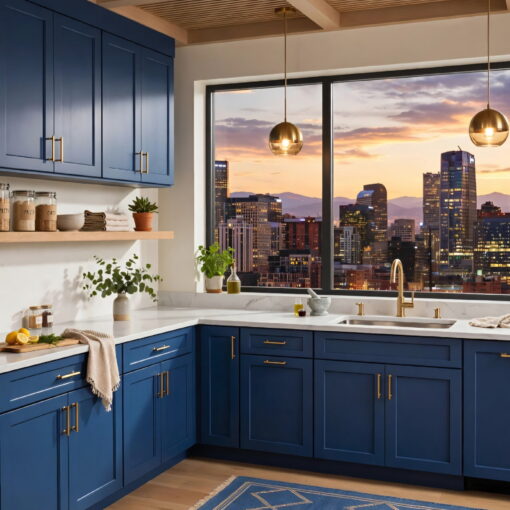
A quiet palette uses warm neutrals, earthy tones or light taupe on the walls and lets the white cabinets sit forward. A contrasting palette uses navy, sage green, pale blue or charcoal to frame the white and give the kitchen definition. Neither is more correct. The deciding factor is usually how much natural light the room receives and whether the kitchen opens into a living area that already has a strong color story.
Two-Tone Kitchens With a White Base
Two-tone cabinet designs use white as the anchor and a second color for part of the kitchen. Common layouts keep the upper cabinets or the perimeter run white and switch the island or the lower cabinets to a deeper shade such as navy, sage green or charcoal. The reverse works just as well, with a white island set against colored perimeter cabinets.
Two-tone layouts help in rooms where a full run of dark cabinets would feel heavy, and they let a bolder color appear on a smaller surface area. If the island carries the color, the wall paint usually stays neutral so the two cabinet colors remain the feature. If the walls carry the color, the cabinets on both levels typically stay white or off-white.
Accent Colors and Where They Belong
Black and deep charcoal accents appear in kitchen pairing guides as the contrast move that makes white cabinetry look deliberate rather than default. That accent does not have to be a cabinet color. It can live in the hardware, a range hood, window trim or a single bank of cabinets. Blues and greens serve the same purpose with a softer result, and pale blue sits much closer to a neutral than navy does. For a Denver kitchen with a modest footprint, accents are often the cheapest way to add depth around white cabinets.
Finish Matters as Much as the Color
White is unforgiving. Brush marks, roller texture, drips and sanding scratches show up under raking light on a white door in a way they rarely do on a mid-tone color. That is why the finish system matters as much as the shade on the chip.
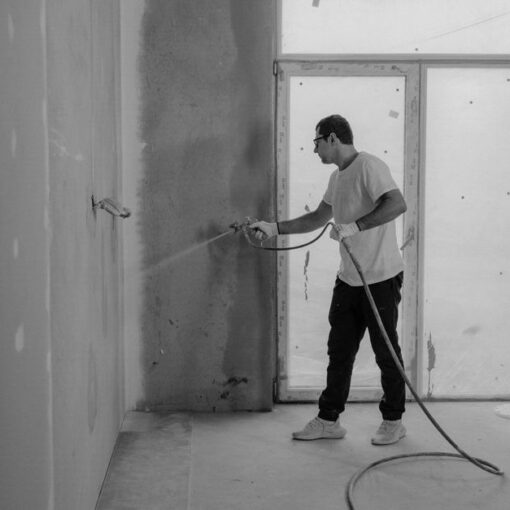
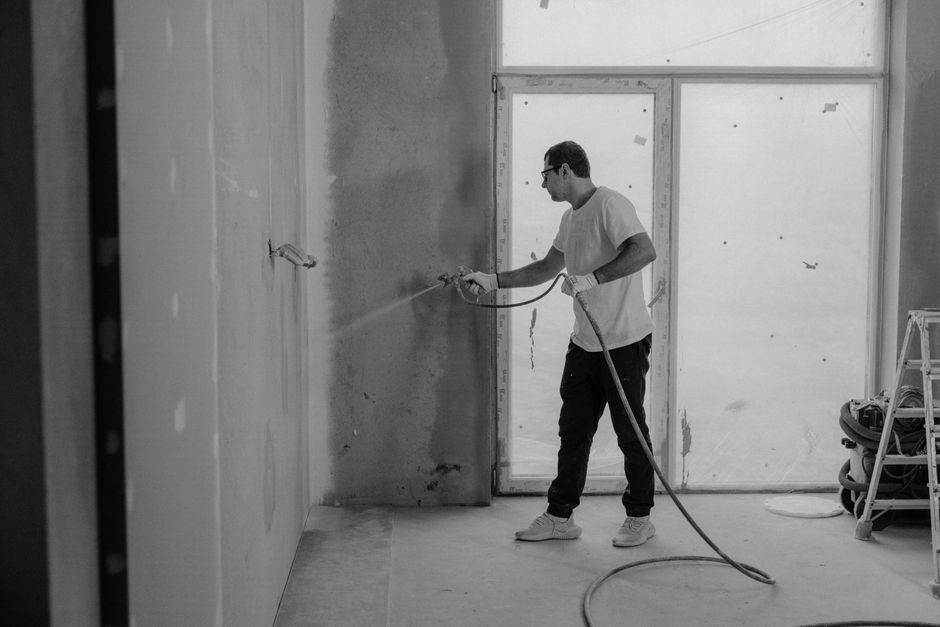
At Cabinetspainting.com, cabinets are sprayed rather than brushed, using a factory-grade lacquer finish such as 2K polyurethane or precatalyzed lacquer. Spraying produces an even film across flat panels, recessed panel edges, stiles and rails, which is where brushed paint tends to show its direction. Preparation is dustless and uses HEPA sanding, so the surface is clean and uniformly abraded before any finish goes on. Because the coating cures hard rather than staying soft, a sprayed white cabinet door holds up better to daily wiping around handles and drawer fronts.
Why Brushed White Cabinets Age Faster
A brushed finish leaves a film of uneven thickness. On white, that unevenness catches light and becomes visible over time, particularly on doors that face a window. A sprayed finish lays down more consistent coverage, which is why cabinet refinishing shops spray rather than roll or brush for a factory-style result.
Painting Golden Oak and White Oak Cabinets White
Older homes across the Denver metro often have golden oak or white oak cabinets that have defined the kitchen’s look for decades. Painting them white delivers the largest visual change for the least disruption, provided the grain is handled properly.
Oak has an open grain, and that grain can telegraph through a painted finish. Grain filling before spraying is the step that closes the pores so the doors come out smooth instead of showing texture under the white. Without filling, the cabinets still read as painted oak rather than factory-finished cabinetry. If your goal is a clean white kitchen rather than a painted look, ask specifically how grain will be addressed before the estimate is finalized.
What the Cabinet Painting Process Looks Like in Denver
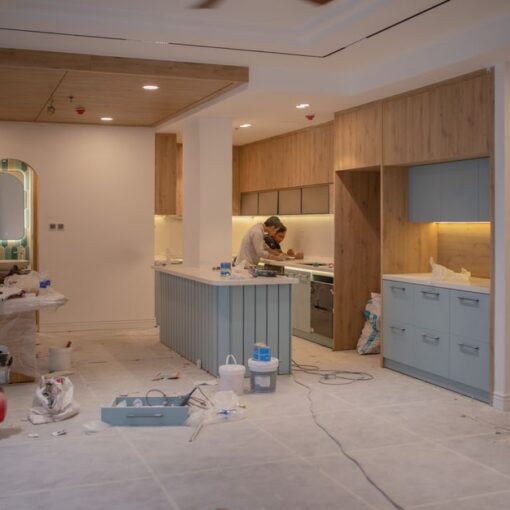
A specialist cabinet painting project moves through a defined sequence, and the typical timeline runs five to seven days.
- A free local estimate, with the cabinet color and sheen confirmed before work begins.
- Doors, drawer fronts and hardware are removed and labeled so everything returns to its original position.
- Boxes, frames and doors are prepared with dustless HEPA sanding.
- Grain filling and any necessary repair work is completed on oak and other open-grain woods.
- Cabinets are sprayed with 2K polyurethane or precatalyzed lacquer and allowed to cure.
- Doors and drawers are reinstalled and the kitchen is returned to use.
The work is covered by a three-year workmanship warranty, and estimates are free for homeowners in Denver, Aurora, Lakewood, Littleton, Arvada, Boulder and the surrounding suburbs. Because the company paints cabinets exclusively rather than offering general house painting, the process and materials are set up around cabinet surfaces.
Plan the Color Before the Spray Gun Comes Out
Start with two or three candidate whites from the list above, sample them on an actual door, and view them next to the countertop and flooring. Decide whether the walls will stay quiet or provide contrast, and whether a second cabinet color belongs on the island or the lower cabinets. Confirm the sheen, since a slight change in sheen alters how a white reads under kitchen lighting. Once those decisions are locked in, the painting itself is a short, contained project rather than a remodel.
White kitchen cabinets stay relevant because they adapt. Pair them with warm neutrals for a calm room, with blues and greens for contrast, or with charcoal and black accents for definition. The color choice gets all the attention, but the preparation and the sprayed finish are what make the result look like it was always meant to be white.
Frequently Asked Questions
Are white kitchen cabinets still in style for 2026?
Design sources continue to publish new white kitchen collections across modern and traditional styles, and white and off-white remain a core category in cabinet color lines from Sherwin Williams, Benjamin Moore and Farrow & Ball. No source designates a single shade as the 2026 white. The larger decision is which white you choose and how the walls, counters and floors support it.
What is the best white paint color for kitchen cabinets?
There is no single best white. Cabinet color roundups repeatedly name Alabaster, Creamy, White Duck, Snowbound, Pure White and Greek Villa from Sherwin Williams, White Dove from Benjamin Moore, and School House White No. 291 from Farrow & Ball. Order samples, tape them to a door, and view them in your own kitchen lighting before deciding.
What wall color looks best with white kitchen cabinets?
Kitchen paint color guides list soft gray, warm beige, sage green, navy blue, pale blue, charcoal gray and light taupe as reliable partners for white cabinets. Warm neutrals and earthy tones keep the room soft, while blues, greens and deep charcoal add contrast. Choose based on how much drama you want around the white.
Can you paint golden oak cabinets white?
Yes, and grain filling is the part that matters. Oak has an open grain that can telegraph through a painted finish, so filling and sanding before spraying is what separates a smooth factory-style result from a finish that still shows texture. Ask how grain will be handled before the project begins.
How long does cabinet painting take in Denver?
The typical process takes five to seven days from preparation through spraying and reassembly. Preparation is dustless and uses HEPA sanding, and the finish is a sprayed factory-grade lacquer or 2K polyurethane rather than brushed paint. Estimates are free for homeowners in Denver and the surrounding metro, and work is backed by a three-year workmanship warranty.