Table of Contents
- Introduction
- What's the Difference Between Cabinet Refinishing and Painting?
- Cost Comparison: Painting vs. Refinishing vs. Refacing vs. Replacement
- Timeline and Disruption: How Long Will Your Kitchen Be Out of Commission?
- Durability and Longevity: Which Finish Holds Up in Colorado's Climate?
- Material Matters: How Your Cabinet Construction Affects the Choice
- DIY vs. Hiring a Denver Professional
- Choosing the Right Denver-Area Cabinet Professional
- Frequently Asked Questions About Cabinet Refinishing and Painting in Denver
- Bottom Line: Which Option Is Right for Your Denver Home?
Introduction
Denver homeowners spend 30 to 40 percent of kitchen remodel budgets on cabinetry alone, but a full replacement isn't the only route to a fresh, modern kitchen. If your cabinets are structurally sound but visually stuck in another decade, you're likely weighing two popular options: refinishing or painting. Both promise dramatic transformation at a fraction of replacement cost, but they serve different goals, suit different materials, and hold up differently in Colorado's demanding climate. This guide offers a side-by-side comparison of cabinet refinishing vs painting Denver homeowners can use to make an informed decision. You'll learn what each process actually involves, what local providers charge, how long projects take, which finish lasts longer, and how to choose the right professional for your specific cabinets.

What’s the Difference Between Cabinet Refinishing and Painting?
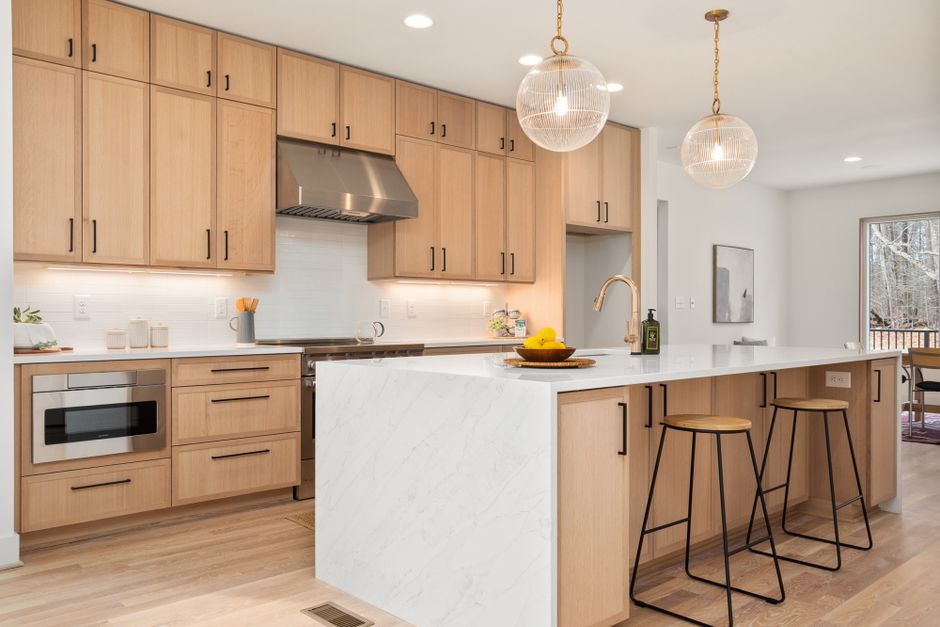
Cabinet refinishing means stripping the existing finish down to bare wood, repairing any surface damage, and applying a new stain, glaze, or clear coating to the original cabinet boxes and doors. The wood grain remains visible, and the final look highlights the natural character of the material. This process preserves the cabinet's original identity while refreshing its color and sheen.
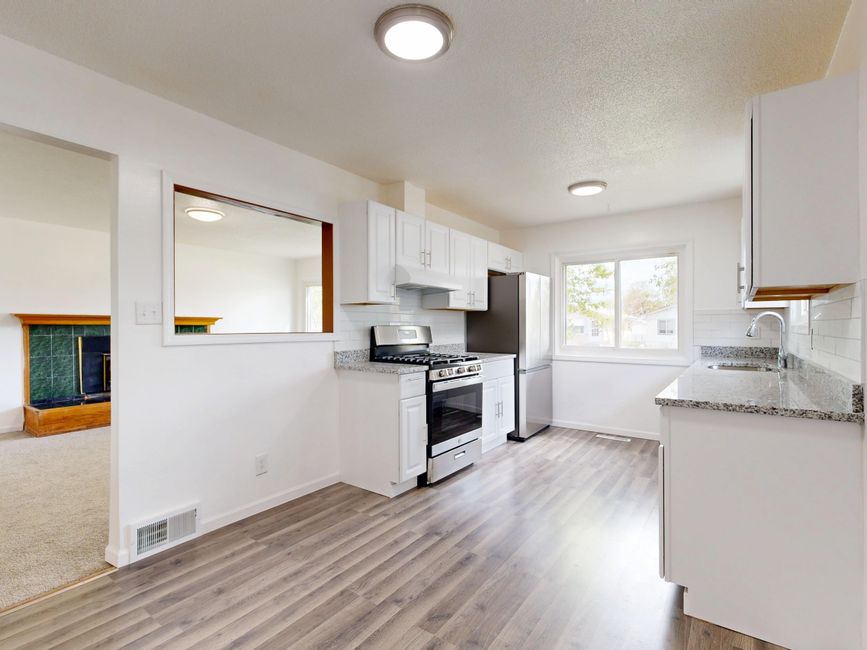
Cabinet painting follows a different path. The surface gets cleaned, sanded, primed, and then coated with multiple layers of paint, typically applied with commercial spray equipment for a smooth, factory-like finish. Paint covers the wood grain entirely, delivering a uniform, opaque surface in whatever color you choose. The result is a clean, contemporary look that can make oak or maple cabinets indistinguishable from brand-new painted units.
The key distinction comes down to texture and transparency. Refinishing honors the wood; painting conceals it. Some contractors use "refinishing" loosely to describe any coating update, but this article sticks with the technical definition. For context, refacing replaces only the doors and drawer fronts while leaving cabinet boxes intact, and full replacement involves tearing everything out and starting fresh. Both sit further up the cost ladder than the two options we're comparing here.
Cost Comparison: Painting vs. Refinishing vs. Refacing vs. Replacement
What Denver Homeowners Actually Pay
Painting cabinets in the Denver metro area typically runs between $1,500 and $5,000, depending on kitchen size, cabinet count, and the contractor's labor rate. A modest kitchen with 15 to 20 doors might land near the lower end, while a larger space with an island, crown molding, and extensive prep work pushes toward the upper range.
Cabinet refinishing costs slightly more, generally running 10 to 20 percent above painting estimates. The added expense comes from the extra labor involved in stripping old finish, sanding to raw wood, and applying stain or glaze in multiple passes. Expect to pay roughly $1,800 to $6,000 for a professionally refinished kitchen in Denver.
Refacing occupies the mid-tier at $4,000 to $9,500. This option replaces doors, drawer fronts, and hardware while covering exposed cabinet boxes with matching veneer. Full replacement sits at the top: high-end kitchen cabinet replacements can exceed $77,000, according to Front + Center data. Denver's labor rates run slightly above national averages due to strong demand in the Front Range market, so factor that into your budgeting.
Where the Savings Really Add Up
Both painting and refinishing save 50 percent or more compared to a full remodel, a figure Denver Cabinets Refacing confirms in their published savings claims. 5280 Cabinet Coatings notes that customers save thousands over traditional refacing or replacement. The math is straightforward: you keep your existing cabinet boxes, hardware infrastructure, and layout, paying only for surface transformation.
But cheaper upfront isn't always cheaper over a decade. A painted finish that chips after three years means repainting sooner, erasing some of the initial savings. Refinishing with a high-quality conversion varnish or UV-cured coating costs more at the start but may outlast two paint jobs. No Denver provider publishes per-linear-foot pricing online, so request itemized quotes during free in-home estimates. Ask what's included: prep work, hardware removal and reinstallation, number of coats, and cleanup.
Timeline and Disruption: How Long Will Your Kitchen Be Out of Commission?
N-Hance of Denver completes most refinishing projects in five days or less, thanks to their Lightspeed Nano Curing System that hardens finishes instantly. Cabinet Painting Denver reports five to seven business days for standard painting projects and seven to ten days for more complex refinishing work. Both options are far less disruptive than full replacement, which can leave your kitchen unusable for three to six weeks.
The curing method matters for your daily routine. UV-cured finishes allow immediate use once the crew packs up. Traditional paints may require 24 to 48 hours of cure time before cabinets can handle normal contact without risking smudges or dents. Ask your contractor about dust containment and fume control before the project starts. Cabinet Painting Denver emphasizes this as the secret to factory-quality results, using sealed-off work zones and professional ventilation to keep debris and odors out of your living space.
Durability and Longevity: Which Finish Holds Up in Colorado’s Climate?
How Denver's High-Altitude, Dry Climate Affects Cabinet Finishes
Colorado's low humidity causes wood to expand and contract more dramatically than in coastal climates. Cabinet doors that fit perfectly in January might swell slightly during summer monsoon weeks, then shrink again in fall. This movement stresses any finish applied to the surface. Dry air also accelerates finish embrittlement, making cracking and chipping more likely over time, especially on painted surfaces that lack the flexibility of penetrating stains.
UV exposure at Denver's altitude is stronger than at sea level. Cabinets positioned near south-facing windows or under skylights face accelerated fading and yellowing unless the finish includes quality UV inhibitors. Professional-grade spray application creates a harder, more uniform film than brush application, which matters when Colorado's intense sunlight tests that finish daily.
Real-World Lifespan Expectations
Professionally painted cabinets typically last five to ten years before showing significant wear. Expect chipping at door edges, peeling near sinks and dishwashers, and gradual yellowing on lighter colors. Refinished cabinets with quality urethane or conversion varnish can last ten to fifteen years with proper care. The stain penetrates wood fibers rather than sitting on top, so it resists peeling by design.
N-Hance's UV-cured nano finish eliminates sanding and creates an instant-hardened surface that resists yellowing, a meaningful advantage in sun-drenched Denver kitchens. Maintenance habits extend or shorten any finish's life: avoid abrasive cleaners, wipe spills promptly, use soft cloths instead of scrub pads, and address moisture issues around sinks before they compromise the coating. Ask about warranty coverage during your estimate. Reputable Denver providers stand behind their work with written guarantees that spell out what's covered and for how long.
Material Matters: How Your Cabinet Construction Affects the Choice
Solid wood cabinets are the best candidates for both painting and refinishing. Maple, oak, cherry, and birch can be stripped and recoated multiple times over their lifespan. The wood's density and grain structure accept stain evenly and hold paint well when properly primed.
MDF, or medium-density fiberboard, paints beautifully because its surface is already smooth and uniform. But MDF absorbs moisture aggressively, so refinishing with stain isn't an option. The material can't be stripped without damage. Ensure your painter uses a high-quality sealing primer to lock out humidity, especially in kitchens with steam-producing appliances.
Particle board represents the budget end of cabinet construction. Painting is possible but durability remains limited regardless of prep quality. Refinishing is rarely worth the cost given the material's short structural lifespan.
Thermofoil cabinets pose problems for both methods. The vinyl coating must be removed or replaced entirely before any new finish can adhere. Peeling thermofoil often signals it's time to reface or replace rather than attempting a surface fix. Laminate surfaces similarly resist paint and stain without specialized bonding primers, and even then, results are unpredictable.
Many Front Range homes built in the 1990s and 2000s feature thermofoil or laminate cabinets. Know what you have before committing to any refinishing or painting project. A quick inspection inside a cabinet door usually reveals the material: look for raw wood grain, a uniform composite edge, or a plastic-like surface layer.
DIY vs. Hiring a Denver Professional
Reddit threads and Facebook community discussions reveal strong opinions from Denver homeowners who have tried both routes. The consensus among those who attempted DIY painting is sobering: most regret the results within a year. Common complaints include visible brush strokes, uneven spray coverage from rental equipment, paint peeling at edges, and doors that stick after reassembly.
The pitfalls start with surface preparation. Grease and cooking residue must be completely removed, a step amateurs routinely underestimate. Sanding demands consistency across every surface. Primer selection varies by material, and using the wrong product guarantees adhesion failure. Denver's altitude affects drying times and product performance in ways that generic online tutorials rarely address.
Professionals bring commercial-grade spray equipment, dust-controlled work environments, and years of experience with surface prep. They adjust products and techniques for Denver's specific conditions. They also offer warranty protection that covers peeling, bubbling, or premature wear.
Cost is the tradeoff. DIY saves 50 to 70 percent of labor costs but risks $500 to $1,000 in materials and hundreds of hours of your time. DIY makes sense for small projects like bathroom vanities, temporary fixes before listing a home, or if you already own spray equipment and have experience using it. For a full kitchen, the risk-to-reward ratio tilts strongly toward hiring a pro.
Choosing the Right Denver-Area Cabinet Professional
Look for local experience first. Cabinet Painting Denver has served the Front Range for over four decades. N-Hance of Denver has been locally owned and operated since 1989. Longevity in this market signals that a company understands Denver's climate, housing stock, and customer expectations.
Verify that the provider covers your specific location. Cabinet Painting Denver's service area includes Denver, Aurora, Lakewood, Wheat Ridge, Castle Pines, Parker, Littleton, Broomfield, Arvada, Centennial, Westminster, Thornton, and Brighton. Ask about technology differentiators. N-Hance's Lightspeed Nano Curing System offers instant curing, no sanding, and reduced VOCs, appealing if you want minimal disruption and an eco-friendly process.
Request before-and-after galleries showing kitchens similar to yours in age, style, and material. Get at least three written estimates and compare scope, materials, number of coats, and warranty terms, not just the bottom-line price. Confirm licensing, insurance, and references before signing any contract. A legitimate provider will supply these without hesitation.
Frequently Asked Questions About Cabinet Refinishing and Painting in Denver
Is it better to paint or refinish kitchen cabinets?
The answer depends on your cabinet material, desired aesthetic, and budget. Painting works best when you want to hide wood grain and achieve a modern, uniform color. Refinishing is superior for preserving natural wood beauty and maximizing long-term durability. If your cabinets are solid wood and you like the grain pattern, refinishing makes more sense. If you want white, navy, or sage green cabinets and your current wood tone feels dated, painting is the better path.
How much does cabinet refinishing cost in Denver?
Expect to pay between $1,800 and $6,000 depending on kitchen size and finish quality. Some providers charge per door, others per linear foot. Request itemized quotes that break down labor, materials, and any additional charges for hardware or repairs.
How long does cabinet refinishing last?
Quality refinishing with professional-grade coatings lasts ten to fifteen years with proper care. Denver's dry climate can shorten that lifespan if low-quality finishes are used. UV-cured finishes and conversion varnishes outperform standard polyurethane in Colorado conditions.
Can you paint over refinished cabinets?
Yes, but only after thorough cleaning, sanding, and priming. Consider whether you're losing the investment you made in the refinishing job. If the original stain is still in good condition, painting over it may feel like a downgrade rather than an upgrade.
What's the cheapest way to update kitchen cabinets?
Painting is the lowest-cost professional option at $1,500 to $5,000. For an even tighter budget, hardware replacement and new hinges offer a meaningful refresh for under $500. Swapping dated brass handles for matte black or brushed nickel pulls can modernize a kitchen in an afternoon.
Bottom Line: Which Option Is Right for Your Denver Home?
Choose painting if you want to change color dramatically, your cabinets are structurally sound but visually dated, or you're working with a tighter budget. Painting delivers the most dramatic aesthetic shift for the lowest upfront cost.
Choose refinishing if you have solid wood cabinets worth preserving, want maximum durability, or prefer a natural wood aesthetic that painting can't replicate. The higher initial cost typically pays off in longevity.
Choose refacing if your cabinet boxes are in good shape but doors and drawer fronts are beyond repair. This middle-ground option updates visible surfaces without touching the underlying structure.
Choose replacement if your cabinet boxes are failing, you want a completely new layout, or you're undertaking a full kitchen remodel where new cabinets fit the scope.
Final advice: book free in-home consultations with two or three Denver providers. Their hands-on assessment of your specific cabinets, kitchen layout, and material condition will be more valuable than any general guide. What looks like a painting candidate online might be a refinishing project in person, and vice versa. Let experienced local professionals help you make the call.