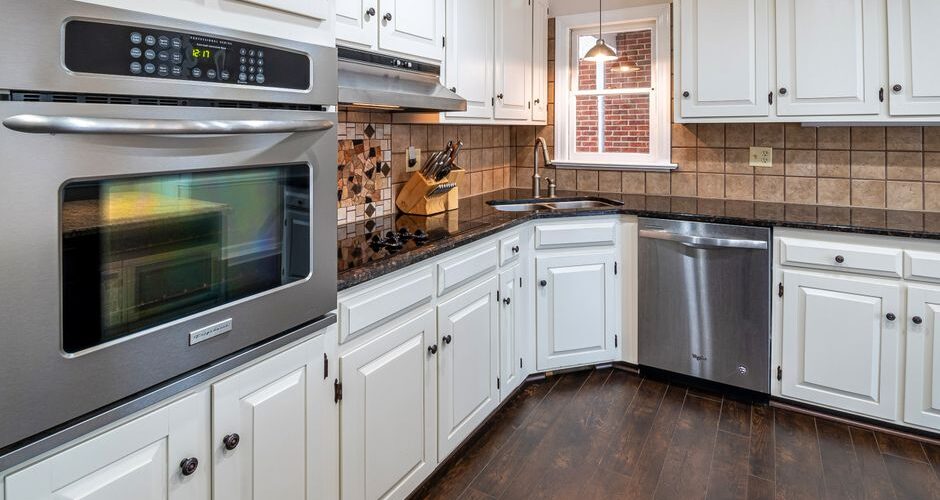
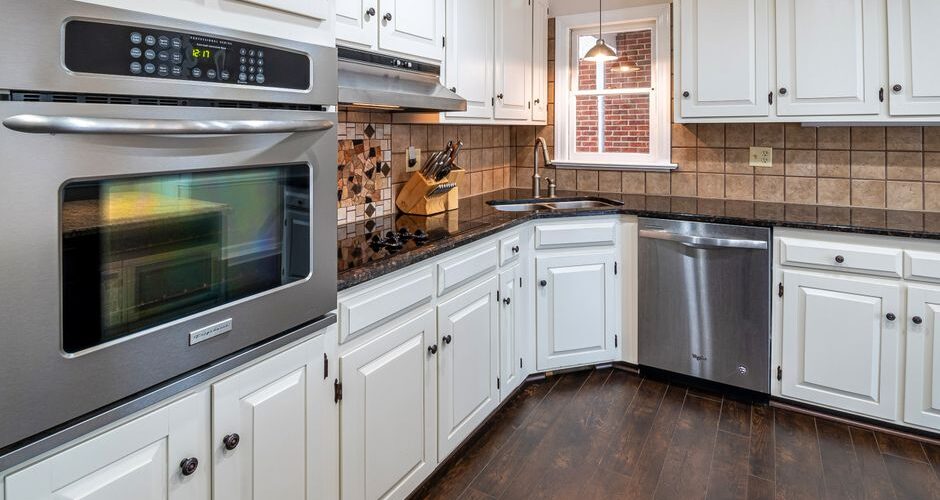

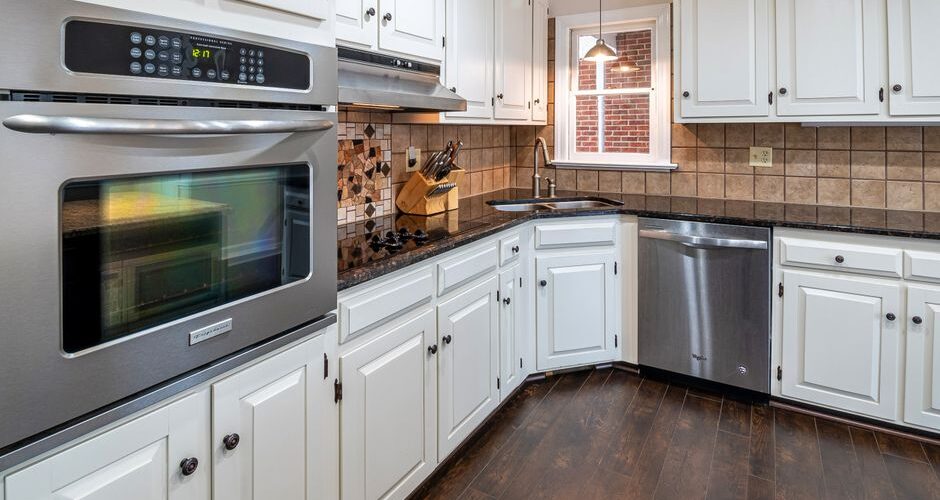
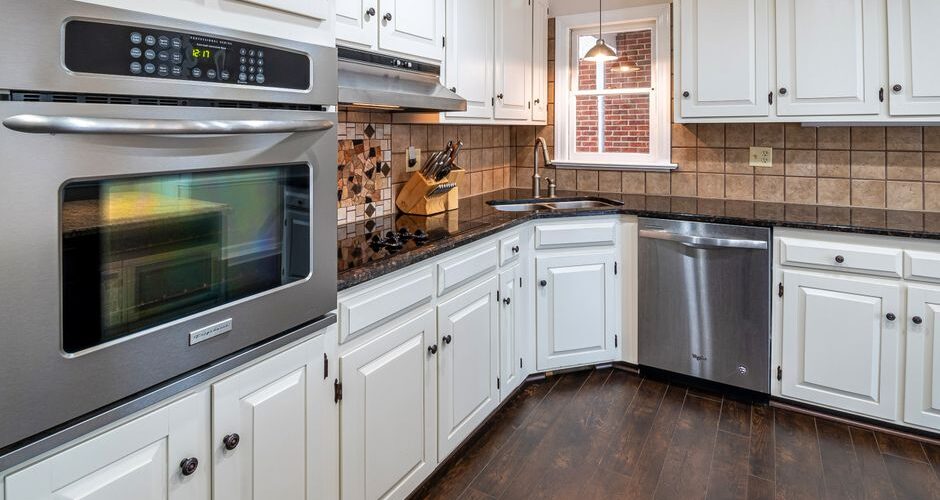


If you are searching for cabinet painting specialists for oak cabinets refinishing in Colorado, you likely have a few key questions about cost, durability, and the process. You might be staring at a kitchen full of honey-toned oak cabinets from the 1990s, wondering whether they can be saved or if a full tear-out is your only option. The good news is that oak cabinets are among the best candidates for professional refinishing, and Colorado homeowners have access to skilled specialists who can transform that dated orange wood into a modern, durable finish that looks brand new. This guide walks through everything you need to know before hiring a pro, from realistic cost expectations to the specific techniques that make oak refinishing successful in our dry mountain climate.
Table of Contents
-
Cost Breakdown: How Much Do Oak Cabinet Refinishing Specialists Charge in Colorado?
-
The 5-Step Process Used by Professional Cabinet Painting Specialists for Oak Cabinets
-
Painting vs. Refinishing vs. Refacing Oak Cabinets: What’s the Difference?
-
How to Choose the Right Cabinet Painting Specialist in Colorado
-
Conclusion: Transform Your Oak Kitchen with Colorado’s Top Specialists
Why Oak Cabinets Are Ideal for Professional Refinishing
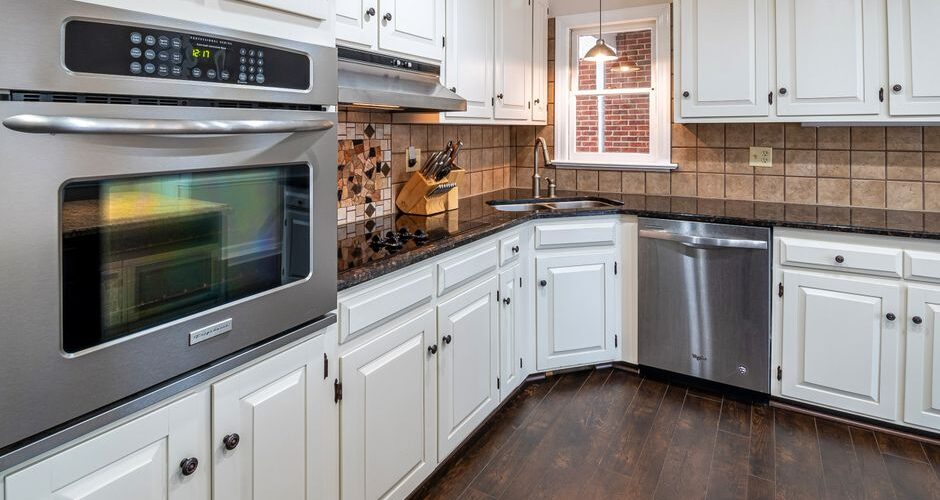
Oak cabinets have a reputation problem. They dominated kitchen design for decades, and now many homeowners see them as an eyesore. But from a refinishing perspective, oak is actually a premium substrate. Its pronounced grain pattern creates a mechanical bond with primers and paints that smoother woods like maple simply cannot match. When a specialist applies a high-adhesion primer, it locks into those grain grooves and forms a foundation that resists peeling and chipping for years.
The grain itself is another point of confusion. Some homeowners worry that painting oak will leave an ugly textured surface. In reality, a professional application of a high-build primer followed by two or three finish coats will level out the surface to a smooth, modern appearance. If you prefer a subtle texture that hints at the wood beneath, many specialists offer a grain-show technique that preserves some depth without the dated look.
Addressing the orange undertone of 90s oak is one of the primary reasons people call a refinisher. Stripping away that golden stain and replacing it with white, soft gray, navy, or charcoal completely changes the personality of a kitchen. You keep the structural integrity of solid wood cabinets while achieving a color palette that fits contemporary design.
Durability matters too. Solid oak and quality oak veneer are dimensionally stable materials. Unlike MDF or particleboard, oak does not swell, crumble, or delaminate when sanded and prepped correctly. Colorado’s dry climate works in your favor here. Low ambient humidity means less wood expansion and contraction across seasons, so a properly cured finish stays intact longer than it might in a coastal or humid southern state.
Can All Oak Cabinets Be Refinished? (Material Check)
Most oak cabinets can be refinished, but the material type determines the approach.
My Review of Graco FFLP Tips for Spraying Cabinets
Solid oak is the gold standard and handles sanding and chemical stripping without issue. Oak veneer over plywood is also refinishable as long as the veneer layer is thick enough to withstand light sanding. The one hard stop is laminate or thermofoil. If a previous owner wrapped the cabinets in plastic laminate, painting is not an option. Those surfaces require replacement or refacing with new doors. Pre-painted oak cabinets present a different challenge. If someone applied standard latex wall paint years ago, a specialist will need to strip that layer completely before starting fresh. It adds labor hours but is still entirely doable.
Cost Breakdown: How Much Do Oak Cabinet Refinishing Specialists Charge in Colorado?
The question everyone asks first is about money, and the search results rarely give a straight answer. In Colorado, professional oak cabinet refinishing typically costs between $3,500 and $8,500 for an average 10-by-10-foot kitchen. Smaller galley kitchens or projects with fewer doors may fall closer to $2,800, while large custom layouts with islands and extensive trim work can push past $10,000. These numbers reflect 2026 market rates for licensed, insured specialists using cabinet-grade coatings.
Compared to replacement, the savings are substantial. New solid wood or plywood cabinets for a standard kitchen run $15,000 to $25,000 installed, and custom builds go higher. Refinishing lands at roughly 30 to 50 percent of that cost, which explains why so many Colorado homeowners choose this route during kitchen updates.
Several factors shift the final quote. Linear footage and door count form the baseline. A kitchen with 30 doors and drawers costs more than one with 18, regardless of square footage. The condition of the existing finish matters too. Cabinets with years of grease buildup, water damage near the sink, or peeling clear coat require more prep time. Color choice also plays a role. Light colors like pure white or cream often need an extra coat for full coverage over dark oak stain, which increases material and labor costs.
Staining versus painting is another variable worth understanding. Staining oak cabinets, which means stripping the old finish and applying a new stain color, is often slightly more expensive than painting. The process demands precise sanding to open the grain evenly, careful stain application to avoid blotching, and multiple clear topcoats for protection. Painting covers the grain entirely and can be more forgiving during application, though it still requires meticulous prep.
Geography within Colorado affects pricing as well. Denver metro labor rates tend to run higher than those in smaller Front Range cities, and mountain town projects in areas like Summit County or the Roaring Fork Valley can carry a 15 to 20 percent premium due to travel time and limited contractor availability.
The 5-Step Process Used by Professional Cabinet Painting Specialists for Oak Cabinets
Understanding what a professional refinishing job actually entails helps you evaluate quotes and spot contractors who cut corners. The process breaks down into five distinct stages, each critical for a finish that lasts a decade or more.
Step one is a detailed inspection and color consultation. A qualified specialist will visit your home and examine the cabinets closely. They check for tannin bleed, a common issue with oak where natural wood compounds seep through paint and create yellowish stains. They test adhesion on any existing finish and look for structural problems like loose joints or damaged hinges. During this visit, they should bring physical color samples or use a digital color matching system to show you exactly how different shades will look against your countertops and flooring.
Step two involves removal and labeling. The crew removes every door, drawer front, and piece of hardware. Each component gets a numbered tag that corresponds to its original location. This system ensures that doors go back on the exact cabinet box they came from, preserving alignment and reveal gaps. Hardware goes into labeled bags so nothing gets lost or mixed up.
Step three is deep cleaning and sanding. Oak cabinets near cooking surfaces accumulate a film of grease that paint will not bond to. Specialists use industrial degreasers to strip that residue completely. Then they sand every surface with medium-grit abrasives to open the grain and create a mechanical profile for primer adhesion. This step cannot be rushed. Insufficient sanding is the number one cause of premature finish failure on oak.
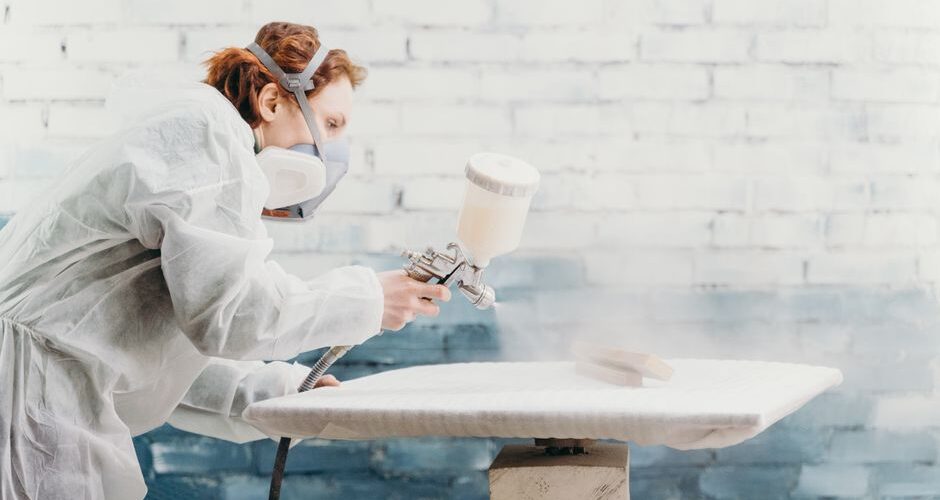
Step four covers primer and paint application. For oak specifically, professionals use a high-adhesion primer, often shellac-based or a specialized urethane product, designed to block tannins permanently. After the primer cures, they apply two to three coats of cabinet-grade paint. These are not the same products sold for walls. Cabinet coatings like urethane acrylics or alkyd enamels cure harder, resist scratches, and clean up without dulling. Each coat is sanded lightly between applications for a glass-smooth result.
Step five is curing and reinstallation. Paint that feels dry to the touch is not the same as fully cured. A finish needs time to cross-link and harden at a molecular level. Many specialists use accelerated curing systems, such as UV light technology, that harden the topcoat in minutes and allow immediate use. Others recommend a 24- to 48-hour waiting period before returning items to the cabinets and a week before heavy cleaning. Once cured, the doors and drawers go back on their original boxes, hardware is reinstalled, and the crew does a final alignment check.
Shop-Based vs. On-Site Refinishing: Which Is Better for Oak?
There are two main approaches to where the work happens. Shop-based refinishing means the contractor transports all doors and drawer fronts to a dedicated spray facility. This controlled environment eliminates dust nibs, allows for better ventilation, and produces a smoother finish, especially important for high-gloss or light-colored paints. On-site refinishing keeps everything in your kitchen. The boxes are sprayed in place while doors may be set up in a garage or tented area. This method offers faster turnaround and less disruption to your hardware storage, but it requires meticulous masking. For oak cabinets with deep grain that needs even primer coverage, shop-based application often yields superior results.
Painting vs. Refinishing vs. Refacing Oak Cabinets: What’s the Difference?
These three terms get thrown around interchangeably, but they describe different services with different outcomes and price points.
Painting means applying a solid color coating over the existing cabinet surface. The wood grain disappears under layers of primer and paint. This is the best choice if you want to eliminate the oak look entirely and shift to a modern color like white, sage green, or deep blue. It is typically the most affordable option of the three.
Refinishing, in the strict sense, refers to stripping the old stain and clear coat and applying a new stain. The wood grain remains visible and becomes the focal point. Homeowners choose this route when they like the natural wood aesthetic but want to correct the orange or yellow tones of aged oak. A skilled refinisher can shift the color toward cooler browns, driftwood grays, or rich espresso tones while keeping the grain pattern intact.
Refacing replaces only the doors and drawer fronts with entirely new materials, leaving the cabinet boxes in place. A veneer or laminate skin is applied to the boxes to match the new doors. This option changes the wood species or door style completely, say, from raised-panel oak to flat-panel maple. It costs significantly more than painting or refinishing, often 60 to 80 percent of full replacement, but it delivers a completely different look without demolition.
A quick way to think about the trade-offs: painting offers the lowest cost and fastest timeline, refinishing sits in the middle and preserves the wood character, and refacing costs the most but allows for a total style transformation.
How to Choose the Right Cabinet Painting Specialist in Colorado
Not all painting contractors are equipped to handle oak cabinets. The material demands specific knowledge and products, and hiring the wrong crew leads to peeling paint and expensive fixes.
Start by asking about oak-specific experience. A legitimate specialist should be able to tell you how many oak cabinet projects they have completed and what primer system they use to block tannin bleed. If they hesitate or give a vague answer, keep looking. Oak is common in Colorado homes, so an experienced refinisher will have a portfolio of before-and-after photos featuring exactly this wood species.
Verify licensing and insurance. Colorado requires contractors to register with the state, and reputable companies carry both general liability insurance and workers’ compensation coverage. Ask for certificates and confirm they are current. An uninsured crew working in your home exposes you to significant financial risk if someone gets injured or property gets damaged.
Read reviews with a specific lens. Star ratings tell only part of the story. Search customer feedback for keywords like chipping, peeling, durability, and warranty to see how finishes held up over time. A company with dozens of five-star reviews that all mention projects completed last week tells you less than one with reviews written two or three years after the work was done.
Ask about the paint brand. Industry-standard cabinet coatings include Sherwin-Williams ProClassic, Benjamin Moore Advance, Renner, Milesi, and Envirolak. These products are formulated for cabinetry and cure to a harder, more durable film than standard wall paints. If a contractor plans to use the same latex they would put on drywall, that is a red flag.
Get a detailed written estimate. The quote should break out prep work, primer type, number of finish coats, hardware removal and reinstallation, and any warranty terms. A vague one-line estimate leaves too much room for disputes later. A thorough contractor will also note whether the price includes touching up the cabinet boxes or only the doors and drawer fronts.
Frequently Asked Questions About Oak Cabinet Refinishing
Can you paint over stained oak cabinets? Yes, but only after proper sanding and a stain-blocking primer. Skipping the primer allows tannins from the oak to bleed through the paint, creating yellowish stains that cannot be removed without starting over.
How long does a professional refinishing job last on oak? With proper care, a professionally applied cabinet-grade finish lasts 8 to 12 years. Well-maintained kitchens that avoid abrasive cleaners and excessive moisture can see finishes last 15 years or longer before needing a refresh.
Will the paint hide the oak grain completely? A high-build primer and two full coats of paint will fill the grain for a smooth, modern surface. If you prefer a subtle wood texture, ask your specialist about a grain-show technique that preserves some depth without the dated golden look.
Is it worth refinishing oak cabinets in 2026? Absolutely. Oak is a durable, classic hardwood that takes finish exceptionally well.
Denver Kitchen Cabinet Painting
Refinishing remains the most cost-effective way to modernize a kitchen without the expense, waste, and disruption of a full cabinet replacement.
Conclusion: Transform Your Oak Kitchen with Colorado’s Top Specialists
Hiring cabinet painting specialists for oak cabinets refinishing is the smartest investment you can make in a dated kitchen. You save 30 to 50 percent compared to replacement, keep thousands of pounds of solid wood out of a landfill, and gain a finish that looks custom and lasts for a decade or more. Colorado’s dry climate and abundance of well-built oak cabinetry make this an especially practical choice for Front Range and mountain homeowners alike.
The key is working with a specialist who understands oak’s quirks, uses the right primers and coatings, and stands behind their work with a clear warranty. A free in-home consultation gives you a chance to see color samples against your actual cabinets and get a firm price before committing. The team at Cabinet Painting Colorado knows the local market, the local homes, and the specific techniques that make oak refinishing succeed in our climate. Reach out to schedule a consultation and see what your kitchen can become.