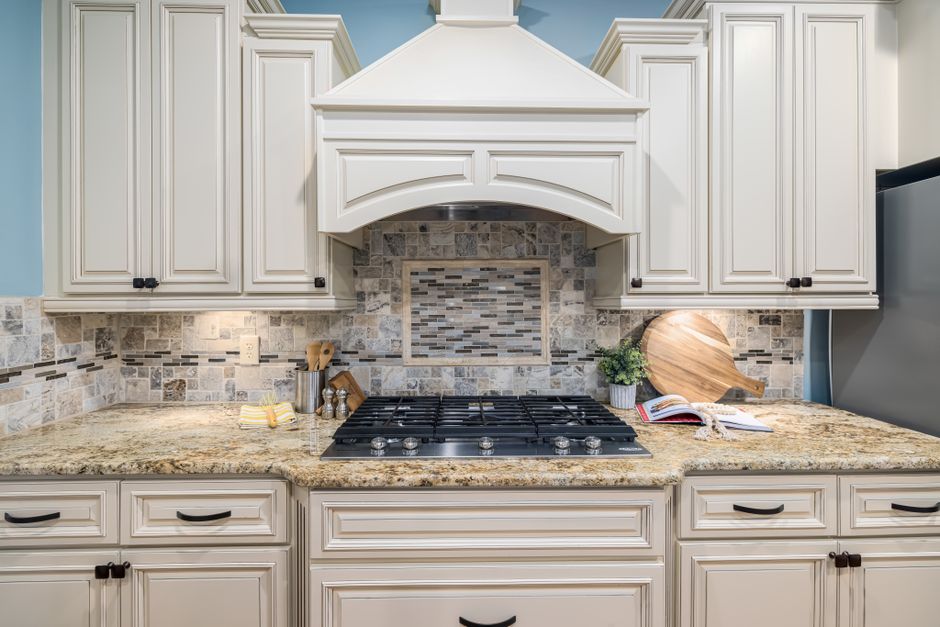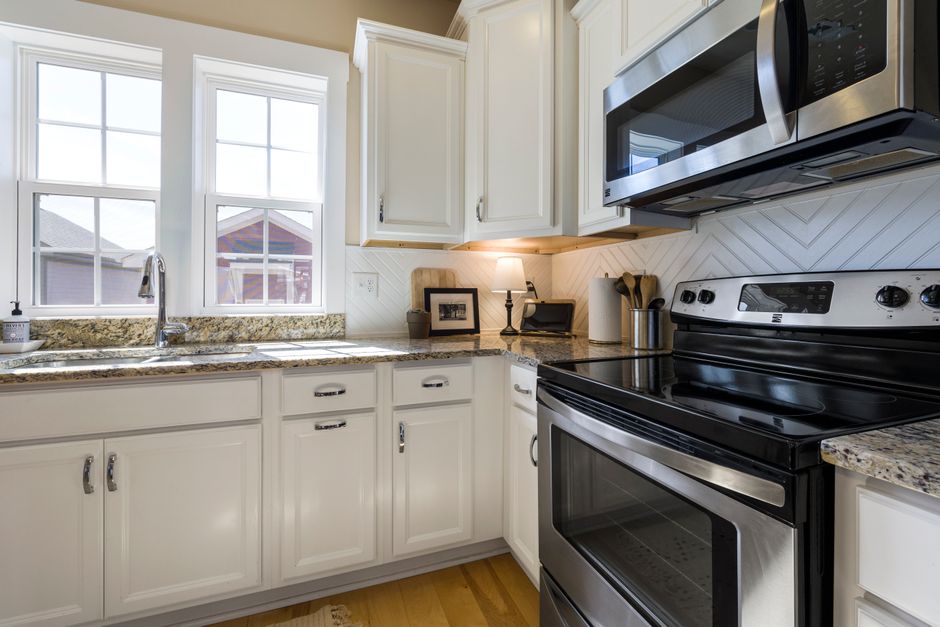
A shaker door is one of the plainest cabinet profiles you can buy: a square frame, a recessed center panel, and nothing else competing for attention. That simplicity is exactly why the paint color does so much work. There is no glaze, no molding detail, and no busy grain pattern to distract the eye, so the white you choose is the design.
For Denver homeowners upgrading older kitchens during 2026, the question usually is not whether to go white. It is which white. Dozens of them exist, and they behave differently depending on your counters, your flooring, and how much daylight your kitchen gets. The picks below are the ones that keep coming up in cabinet color roundups and homeowner discussions, along with the practical details that decide whether the finished job looks crisp or slightly off.
Why the Right White Matters More on Shaker Doors
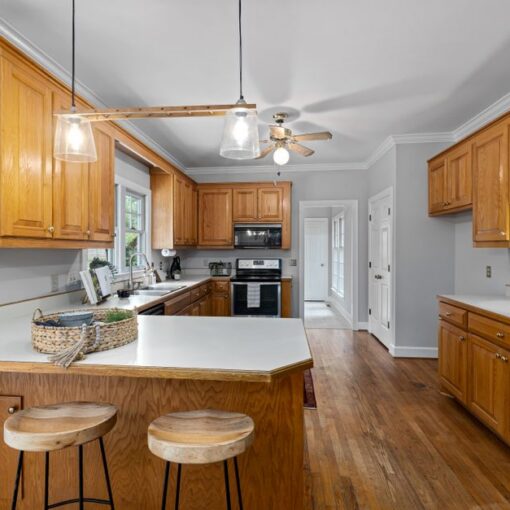
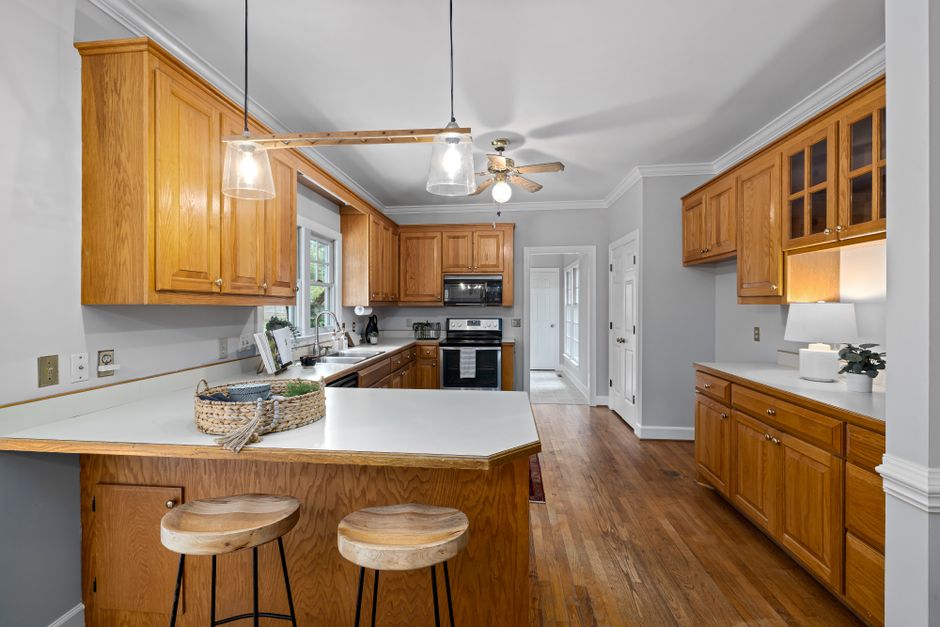
Shaker doors present a lot of flat surface area. On a flat surface, tiny differences between whites become obvious. A white with warm undertones can read creamy next to a cool gray backsplash. A cooler white can look stark against warm oak floors, and many Denver homes still have original oak floors and dated oak cabinets in the same room.
The recessed panel adds a second effect. The panel sits back from the frame, so it catches less direct light and often reads a shade darker than the stiles and rails around it. That shadow line is part of the shaker look, and it is also a reason sheen matters. In a homeowner discussion about the actual color of white shaker cabinets, one of the most repeated pieces of advice was simply to go with a satin finish and choose among the well known whites rather than chasing an exotic one.
The Whites That Keep Showing Up on Shortlists
A widely referenced roundup of the best white paint colors for cabinets names specific shades at the top of the list. These are the names you will hear most often from designers, painters, and homeowners comparing notes.
Benjamin Moore White Dove OC-17
White Dove sits at the top of that cabinet color roundup, and it is the white most often described as a safe, soft choice. It carries a slight warmth without tipping all the way into cream, which is why it holds up well against both warm oak flooring and cooler stone counters. On a shaker door, it keeps the frame calm instead of glaring.
Sherwin-Williams Pure White 7005
Pure White appears second in the same roundup. It is the cleaner, brighter option of the two, and it suits kitchens where the counters and backsplash are also light. Because it has less warmth, it can look sharper against dark hardware and dark flooring. Homeowners who want the cabinets to feel like the brightest surface in the room tend to gravitate here.
Benjamin Moore Chantilly Lace OC-65
Listed third in the roundup, Chantilly Lace is the crisper, more modern-leaning white. It reads closer to a true white in a bright room. In a kitchen with limited natural light, the same color can feel cooler, so it is worth sampling on an actual door rather than judging from a paint chip in a store aisle.
Cloud White and Simply White
Cloud White and Simply White came up repeatedly in the Houzz discussion thread on white shaker cabinet color, recommended alongside White Dove and paired with a satin sheen. These are the kind of shades that work when you want something white but not clinical. They are softer than the brightest whites and read pleasantly neutral in most kitchens.
Color names and formulas belong to the manufacturers, and paint lines do change. Confirm the current chip or sample with the paint supplier before committing, and never rely on a screen to judge a white. Monitors and phones shift color noticeably.
Other Directions Shaker Cabinets Commonly Come In
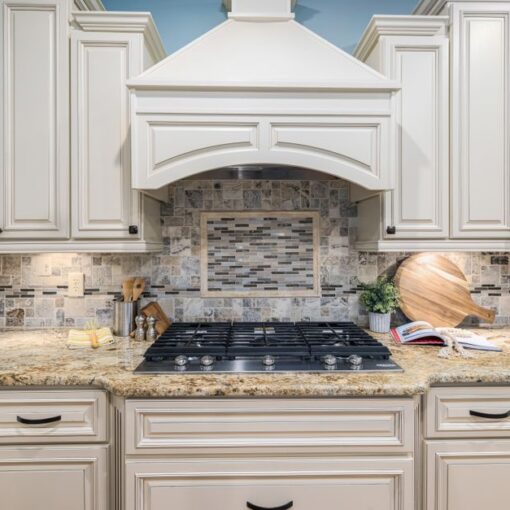
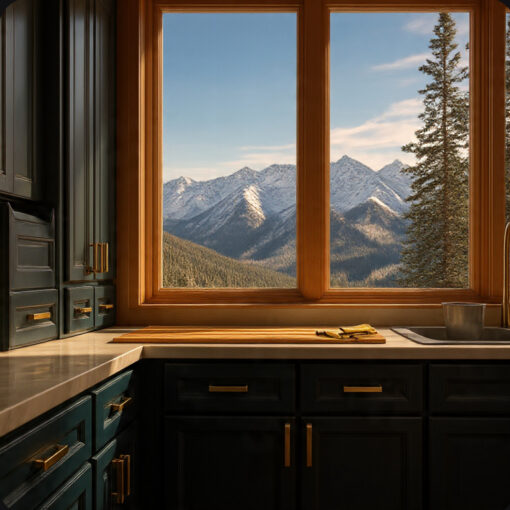
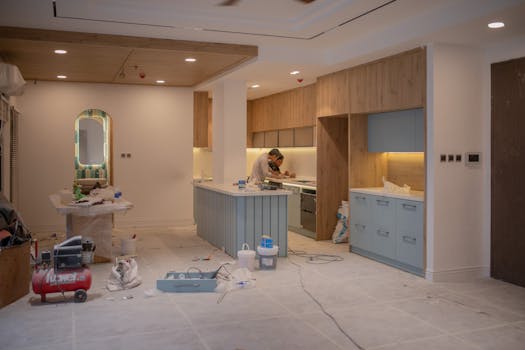
White dominates, but it is not the only route. Cabinet collections themselves show how wide the field has become, from soft creams to deep blues and near-blacks. Looking at how manufacturers name and group their finishes is a fast way to see which directions read as current.
| Tone family | Examples seen in cabinet lines | What it does in a kitchen |
|---|---|---|
| White | Salem White Shaker, Dayton Slim White Shaker, Summit White Shaker, White Tofino, Pacific White | The default shaker finish, offered across nearly every line reviewed |
| Cream and off white | Blended Cream, Pearl Gray | Softens the look and pairs with warmer floors and counters |
| Gray | Grey, Double Grey, Charcoal Grey | A middle ground that hides everyday smudges better than pure white |
| Blue and green | Mythic Blue, Navy Blue, Greenblack Oregon | Adds depth, often on islands or lower cabinets |
| Dark and brown | Deep Onyx, Cinnamon, Manganite, Dark Espresso | A high contrast look against white uppers |
Cabinet sample collections group shaker finishes into color families that include brown, gray, white, blue, and green, with names such as Coastline Maple and Diamond Jamestown appearing alongside more than forty other options in a single sample lineup. That variety is useful, but it also explains why two kitchens that both claim to have white shaker cabinets can look completely different.
Sprayed Finish Versus Brushed Paint on Shaker Doors
Color gets the attention. Finish decides whether the color looks intentional. Brushed or rolled paint leaves texture, lap marks, and uneven film thickness, and flat shaker frames show all three. Sprayed application lays down an even coat across the frame and into the panel edges without brush lines.
Our approach in Denver is a factory-grade sprayed finish using 2K polyurethane or precatalyzed lacquer, the same class of coatings used on factory cabinetry. Preparation matters as much as the product: we use dustless HEPA sanding to keep the kitchen livable while the old finish is prepped. That combination is what separates a specialist cabinet respray from a general house painting job, where cabinets are often treated as trim.
Test Your White in Your Own Kitchen Light
No article can tell you which white will win in your house, because the answer depends on the room. A few habits make the decision much easier.
- Order real samples or sample doors in the two or three whites you are considering, not paint chips alone.
- Hold each sample against your countertop, backsplash, and flooring, not against a white wall.
- Look at them in the morning, at midday, and after dark with your kitchen lights on.
- Step back ten feet and check the recessed panel shadow, since that is where subtle undertones show up.
- Decide the sheen at the same time. A satin finish is the common recommendation for cabinets because it cleans easily and does not amplify flaws.
Color Matching and Touch Ups
Once a cabinet color is sprayed, keeping it consistent matters for repairs. Cabinet suppliers sell touch up paint in an exact color match to their finishes, typically as a pint, so small dings and scuffs can be filled and concealed without repainting a whole door. Keep a record of the color name and the product line used on your cabinets, plus any leftover touch up material, so future repairs match the original job.
Planning a Cabinet Painting Project in Denver
Painting existing shaker cabinets is usually far cheaper and far faster than replacing them, and it keeps the door profile you already like. Our projects run through a 5 to 7 day process, start with a free local estimate, and are backed by a 3 year workmanship warranty. We work with homeowners across the Denver metro area, including Aurora, Lakewood, Littleton, Arvada, and Boulder, as well as nearby suburbs.
If your kitchen has white oak or golden oak cabinets under the paint, grain filling is part of the conversation, because oak grain telegraphs through a sprayed finish unless it is properly addressed. Two-tone layouts, with a deeper tone below and white shaker uppers above, are another option worth pricing out at the same time. The color decision is the fun part, and it is also the one worth getting right before the spray gun comes out.
Frequently Asked Questions
What is the most popular white paint color for kitchen cabinets?
Benjamin Moore White Dove OC-17 tops a widely cited roundup of the best white cabinet colors, followed by Sherwin-Williams Pure White 7005 and Benjamin Moore Chantilly Lace OC-65. Cloud White and Simply White also come up often in homeowner discussions about white shaker cabinets. Popularity is a starting point, not a guarantee, so sample on your own door and surfaces.
Can you paint white shaker cabinets a different color?
Yes. Shaker doors are painted in a wide range of finishes, and cabinet lines themselves offer options such as Pacific White, Blended Cream, Pearl Gray, Mythic Blue, Deep Onyx, Cinnamon, and Manganite, plus grey, navy blue, charcoal grey, and dark espresso. A sprayed refinish lets you move to any of those directions without replacing the cabinet boxes.
What sheen should white shaker cabinets be painted?
Satin is the sheen most often recommended for cabinets in homeowner discussions, and it is a practical middle ground. It wipes clean without the high shine of semi gloss and without the delicate surface of a flat finish. On shaker doors, satin also keeps the recessed panel from reflecting light in a distracting way. Confirm sheen options with your painter before spraying.
How do I choose between two very similar whites?
Order samples of both and view them against your counters, backsplash, and flooring at different times of day. The recessed panel on a shaker door shows undertones that a flat wall sample will not. If two whites look identical in a store, they usually separate once they are in your kitchen under your lighting.
Do white cabinets need to be replaced to change the color?
Not usually. Painting existing shaker cabinets is typically faster and less expensive than replacement, and it preserves the door profile. A sprayed finish using 2K polyurethane or precatalyzed lacquer gives a factory style result. In the Denver area, the process generally runs 5 to 7 days from preparation through final coat, with a free estimate up front.