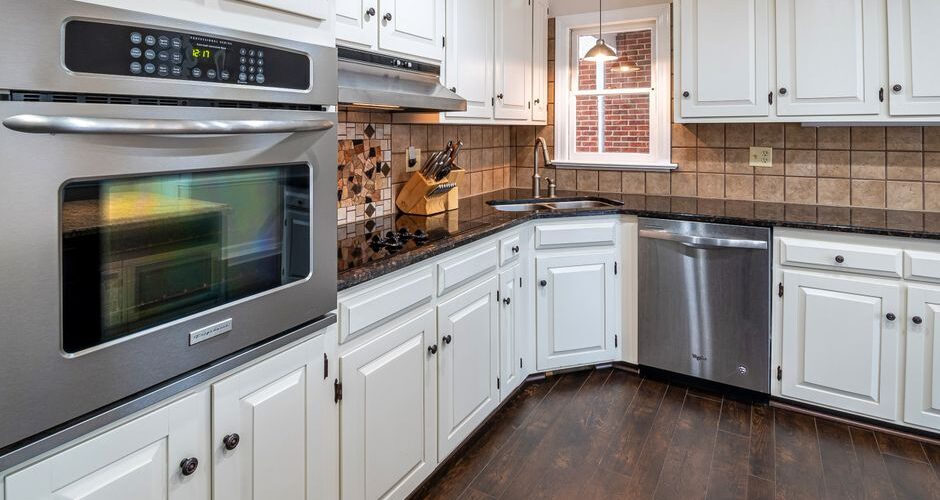
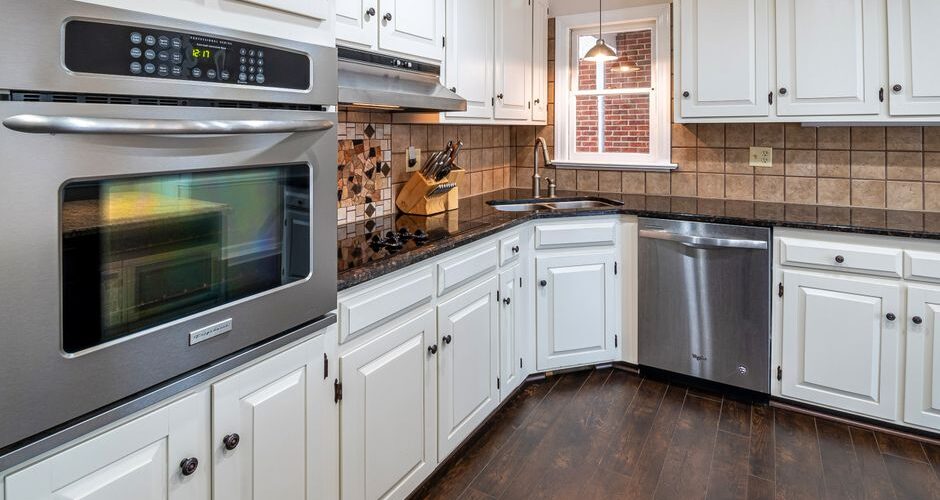
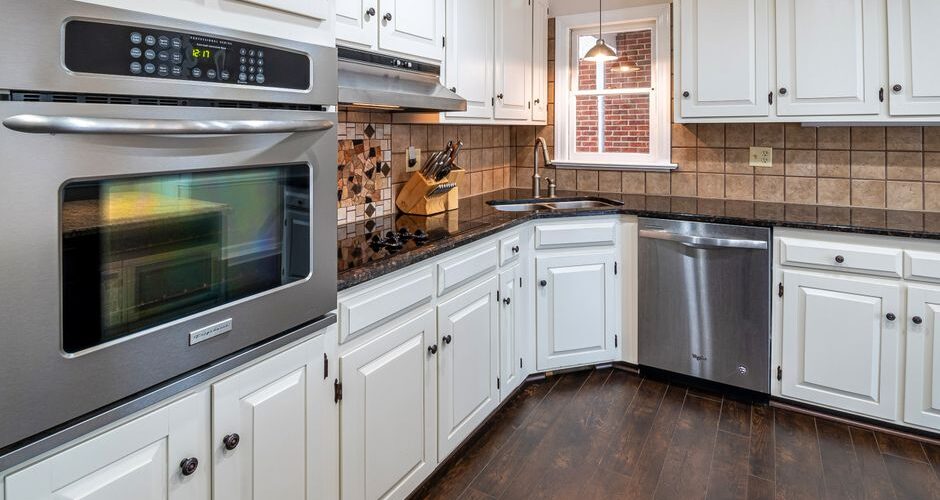

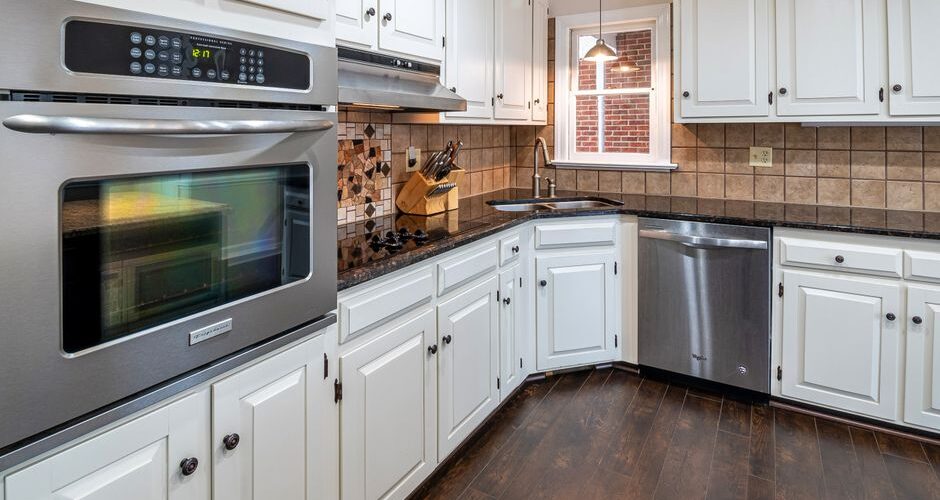
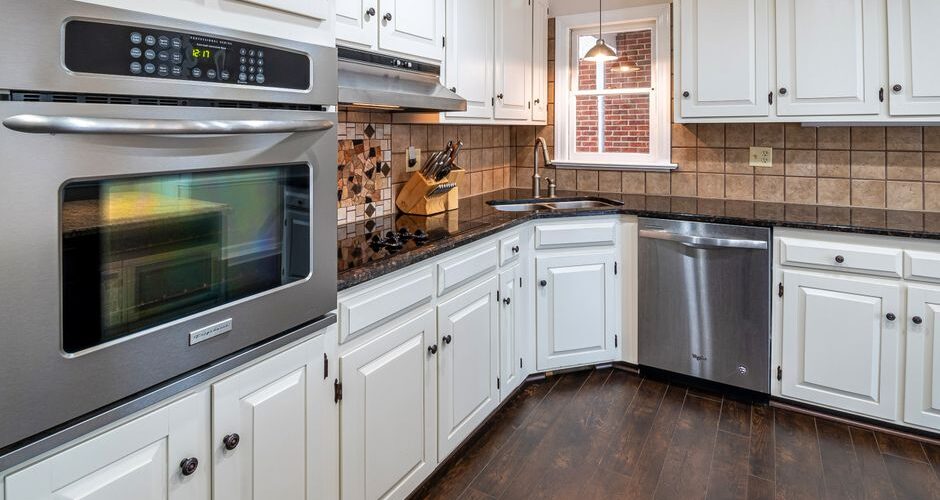
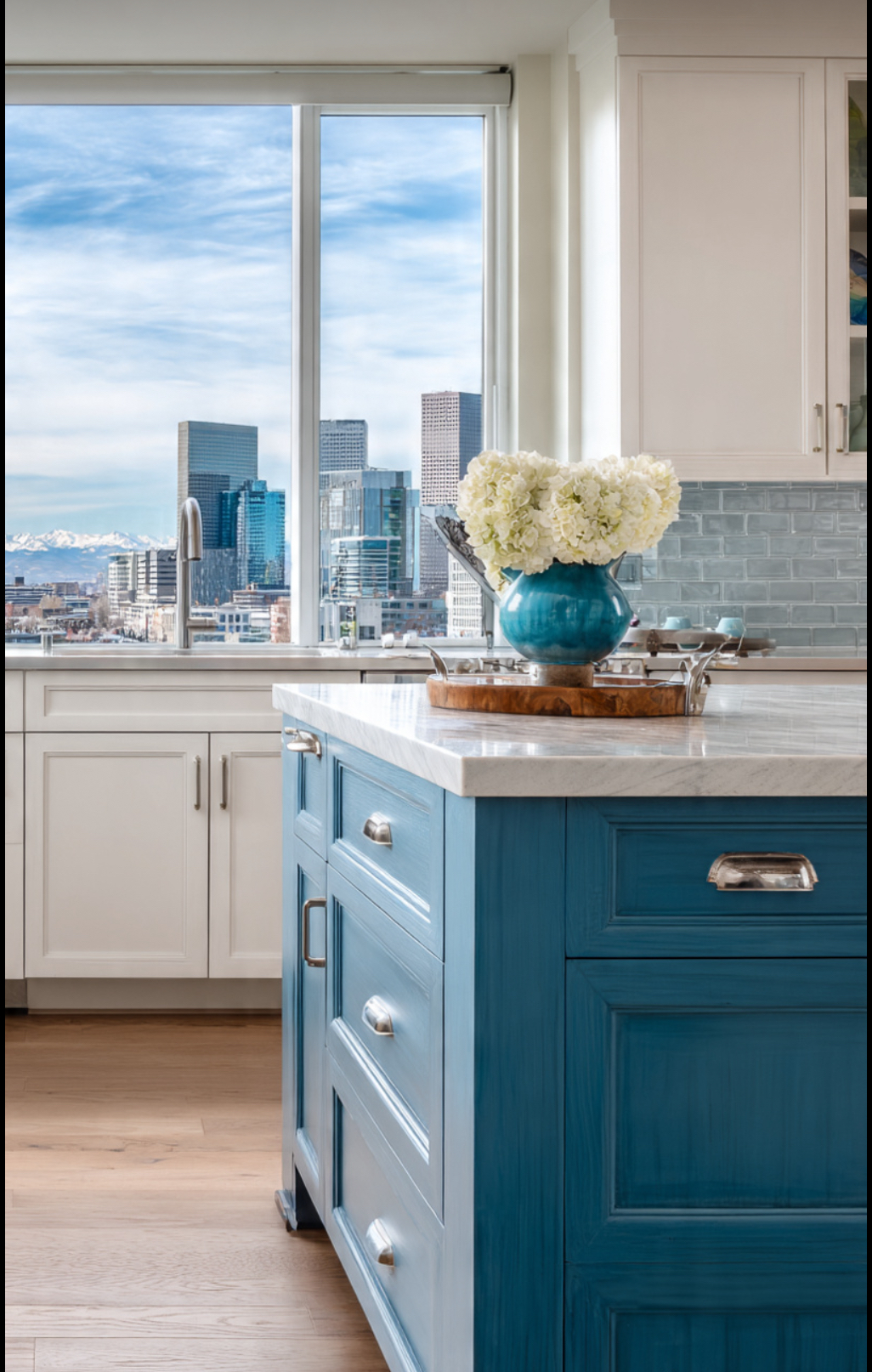
If you are researching professional cabinet painters specializing in factory finishes, you are likely looking for a result that looks like new cabinetry without the cost of full replacement. The difference between a true factory-grade finish and a standard paint job is dramatic, and it has everything to do with the equipment, materials, and preparation methods a specialist brings to your kitchen. By the end of this guide, you will understand exactly what a factory finish entails, why it outperforms both DIY attempts and generalist painting, and how hiring a dedicated cabinet painting company saves you money, time, and frustration while increasing your home’s resale value. For Colorado homeowners specifically, the stakes are even higher: our altitude, intense sun exposure, and dry climate demand finishes that can handle conditions most national guides never address.
Table of Contents
- What Is a “Factory Finish” for Kitchen Cabinets? (And Why It Matters in 2026)
- Professional Cabinet Painters vs. DIY: The Real Cost and Quality Gap
- The 5-Step Process Used by Professional Cabinet Painters for Factory-Grade Results
- How Much Do Professional Cabinet Painters Cost? (2026 Pricing Guide)
- 5 Questions to Ask Before Hiring Professional Cabinet Painters
- Frequently Asked Questions About Factory-Finish Cabinet Painting
- Why Cabinet Painting Colorado Is the Right Choice for Your 2026 Kitchen Update
What Is a “Factory Finish” for Kitchen Cabinets? (And Why It Matters in 2026)
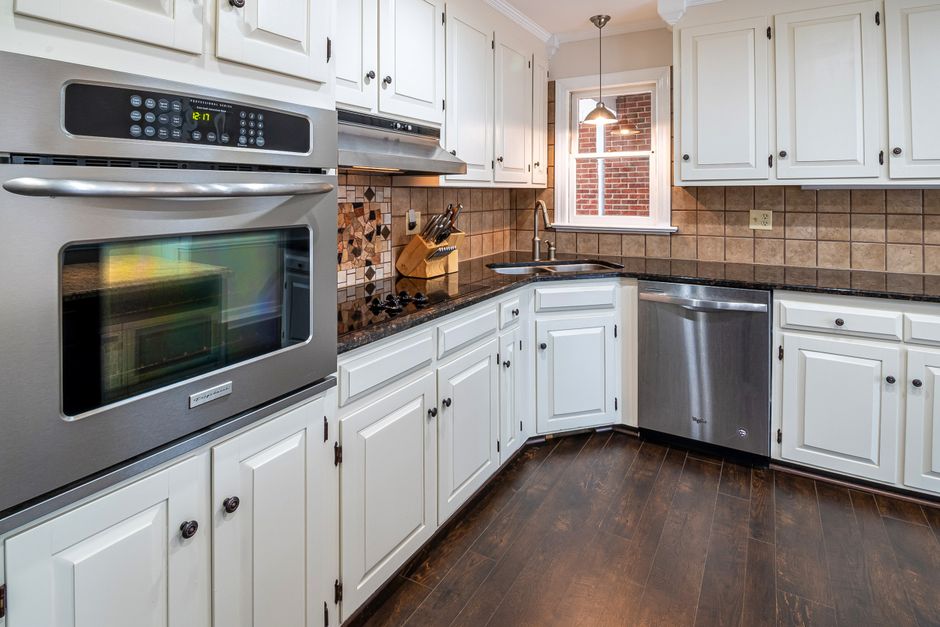
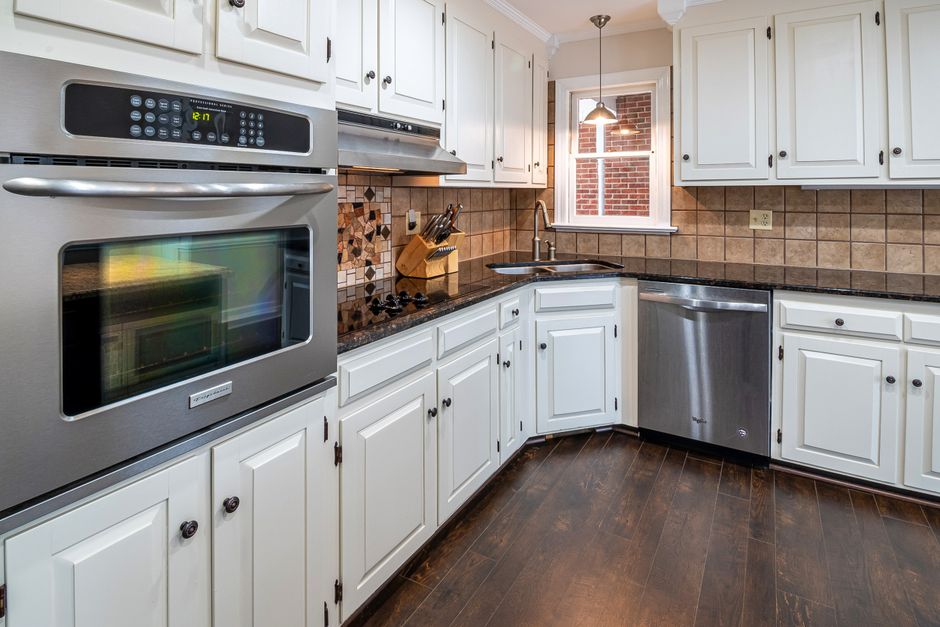
A factory finish is not a marketing phrase. It describes a coating applied in a controlled environment using professional spray equipment, producing a surface that is smooth, even, and free of the brush marks, roller stipple, or orange peel texture that plague consumer-grade paint jobs. When you run your hand across a properly sprayed cabinet door, it feels like glass. That is the standard.
In 2026, the definition has evolved. Modern coating technologies now exceed what many original cabinet factories produced a decade ago. UV-cured finishes cure instantly under ultraviolet light, creating a hardness and scratch resistance that outperforms traditional catalyzed lacquers. Waterborne alkyds offer the durability of oil-based paint with low VOCs and easy cleanup. These are industrial products, not what you find on the shelf at a home improvement store. A specialist painter invests in these materials because they are what the job demands.
For Colorado homes, this matters in ways that out-of-state content rarely addresses. Our dry air causes wood to expand and contract across seasons, which means an inflexible coating will crack at the joints. High-altitude UV exposure fades pigments faster here than at sea level, so paint formulations with advanced UV inhibitors are not optional. They are essential. Temperature swings from freezing mornings to warm afternoons stress cabinet finishes in ways that coastal climates never replicate. A painter who understands these local factors will select primers and topcoats accordingly, and that expertise is what separates a specialist from a general contractor who paints cabinets once every few months.
Professional Cabinet Painters vs. DIY: The Real Cost and Quality Gap
The internet is full of tutorials promising a brand-new kitchen for the price of a gallon of paint. Those tutorials rarely show what the cabinets look like six months later. The gap between DIY and professional results is not just about skill. It is about process, chemistry, and equipment, and the hidden costs of the DIY route add up fast.
The Hidden Costs of a DIY Cabinet Paint Job
Time is the first cost most DIYers underestimate. A full kitchen cabinet project done correctly requires removing every door and drawer front, removing hardware, degreasing every surface, sanding or chemically deglossing, applying primer, sanding again, applying at least two finish coats with drying time between each, and then reassembling everything. That process typically takes two to four weeks of evenings and weekends. A professional crew with a dedicated spray setup finishes the same kitchen in three to five days. If your kitchen is out of commission during the project, that timeline difference translates directly into takeout meals, inconvenience, and stress. https://cabinetspainting.com/professional-cabinet-painters-specializing-factory-finishes/
Material waste is the second hidden cost. Consumer-grade primers fail on laminate and thermofoil surfaces because they cannot achieve proper adhesion. DIYers often discover this when doors start peeling within months, forcing a complete redo. The cost of buying the wrong products, then buying the right ones, then buying more because the first attempt failed, erodes any perceived savings. My Review of Graco FFLP Tips for Spraying Cabinets
Tool investment is the third factor. An HVLP or airless sprayer rental runs a hundred dollars or more per day. Add sanders, dust containment plastic, tack cloths, respirators, and the specialized cleaning solvents for professional-grade paints, and the DIY budget often approaches half the cost of hiring a pro, with none of the warranty protection and all of the risk.
Why “Specializing” Changes the Outcome
A general painter might spray cabinets the same way they spray baseboards. A specialist knows that factory-finished cabinets present a unique challenge: the original coating is engineered to resist adhesion. The People Also Ask question “Can you paint factory finish cabinets?” exists for a reason. The answer is yes, but only if you chemically degloss the surface first. Sanding alone, especially with the wrong grit, will not create enough mechanical bond for primer to hold long-term. Specialists use chemical deglossers and a specific grit progression, typically starting at 100 to 150 grit, to scuff the surface without cutting through the original finish into the substrate.
Overspray control is another dividing line. A DIY painter drapes plastic sheeting and hopes for the best. A specialist uses a mobile spray booth or negative air pressure system that contains every particle of atomized paint, keeping it off countertops, floors, and the rest of your home. That dust you see settling on wet paint in a DIY project becomes permanent texture in the finish. There is no fixing it without sanding back to bare wood and starting over.
Cabinet Painting Service Areas in Denver & Surrounding Cities, Cabinet Refinishing in Denver County,
Serving Lakewood, CO, Littleton, CO, Golden, CO, Evergreen CO, Roxborough Park CO, Ken Carl Ranch CO,
Arvada, CO, Wheat Ridge, CO,
and Parker CO. Castle Pines CO. Englewood CO. Centennial CO.
Cabinet Painting in Arapahoe County, CO
Including Centennial, CO, Greenwood Village, CO,
Cherry Hills Village, CO, Englewood, CO,
and Aurora, CO.
Cabinet Painting in Adams County & Broomfield, CO
Serving Lakewood, CO, Littleton, CO, Golden, CO, Evergreen CO, Roxborough Park CO, Ken Carl Ranch CO,
Arvada, CO, Wheat Ridge, CO,
and Parker CO. Castle Pines CO. Englewood CO. Centennial CO.
Cabinet Painting in Arapahoe County, CO
Including Centennial, CO, Greenwood Village, CO,
Cherry Hills Village, CO, Englewood, CO,
and Aurora, CO.
Cabinet Painting in Adams County & Broomfield, CO
Warranty value seals the argument. A specialist offering a five-year or lifetime warranty on their work has financial incentive to do the job correctly the first time. A DIY project comes with no recourse. When the paint fails, the only person paying to fix it is you.
The 5-Step Process Used by Professional Cabinet Painters for Factory-Grade Results
Understanding the process helps you evaluate any painter you are considering. These five steps are the minimum standard for a finish that will last.
Step one is degreasing and chemical deglossing. Kitchen cabinets accumulate cooking oils, hand oils, and airborne grease that you cannot always see. These contaminants prevent paint adhesion. A specialist cleans every surface with a degreasing agent, then applies a chemical deglosser that microscopically etches the existing finish. This step is what makes painting over factory-finished cabinets possible. Without it, even the best primer will fail at the bond line.
Step two is precision sanding and priming. After deglossing, the painter sands every surface to create a uniform profile for the primer. High-build primers fill wood grain and minor imperfections, creating the glass-smooth base that makes a sprayed topcoat look flawless. Specialists use vacuum-attached sanders to capture dust at the source and tack cloths to remove any remaining particles before spraying. Dust is the enemy of a smooth finish, and controlling it is a discipline, not an afterthought.
Step three is spray application in a controlled environment. This is the factory finish secret. Doors and drawer fronts are sprayed in a mobile spray booth or dedicated spray room where airflow, temperature, and humidity are managed. The spray gun atomizes the coating into a fine mist that levels out into a perfectly smooth film. No brush can replicate this. No roller comes close. The cabinet frames are sprayed on-site with the surrounding kitchen fully masked and protected.
Step four is curing. In 2026, UV-cured technology allows some specialists to cure coatings instantly using ultraviolet light, which means doors can be reinstalled the same day they are sprayed. For traditional catalyzed lacquers and waterborne alkyds, forced-air drying between coats accelerates the process while ensuring each layer bonds properly. Proper curing is what gives the finish its hardness and chemical resistance.
Step five is quality inspection and warranty activation. A specialist examines every door under proper lighting, checking for runs, dry spots, or debris. Hardware is reinstalled with care, and the homeowner receives a care guide that explains how to clean and maintain the finish. The warranty is documented and activated at this stage.
How Much Do Professional Cabinet Painters Cost? (2026 Pricing Guide)
Most cabinet painting companies avoid publishing pricing online, which frustrates homeowners trying to budget. While every kitchen is different, a realistic range for a full professional cabinet painting project in 2026 is $4,500 to $9,500 for an average kitchen with roughly 30 linear feet of cabinetry. Smaller kitchens or partial projects can fall below that range. Large kitchens with islands, extensive trim, or complex door profiles can exceed it.
Several factors influence where your project lands. Cabinet material matters: solid wood takes paint differently than MDF or thermofoil, and each requires specific primers and preparation. The number of doors and drawers drives labor hours. Finish type affects material costs: a solid color is straightforward, while a multi-tone glaze or high-gloss lacquer requires additional coats and sanding steps. Prep complexity adds cost when cabinets have heavy grease buildup, multiple layers of old paint, or water damage that needs repair.
The return on investment makes the case for professional work. Cabinet painting costs roughly 30 to 50 percent of full replacement, and in the Colorado market, a professionally finished kitchen can recoup 70 to 80 percent of that cost in increased home value at resale. Buyers notice a kitchen that looks current, and they mentally deduct from their offer when they see cabinets that need work. For a free, precise quote tailored to your kitchen, contact Cabinet Painting Colorado directly.
5 Questions to Ask Before Hiring Professional Cabinet Painters
The estimate visit is your opportunity to vet the company. These five questions reveal whether you are talking to a specialist or a general painter who will figure it out on your dime.
First, ask: “Do you specialize in factory finishes, or are you a general painter?” Listen for a direct answer. A specialist will describe their spray equipment, their spray booth setup, and the specific coatings they use. A generalist will talk about how they have painted cabinets before and it turned out fine.
Second, ask: “What is your warranty, and what does it cover?” Compare what you hear. A lifetime warranty with free yearly touch-ups is the gold standard. A five- to seven-year limited warranty is solid. Anything less, or a vague promise to come back if there is a problem, is a red flag.
Third, ask: “How do you handle overspray and dust containment?” The correct answer involves a mobile spray booth, a sealed room with negative air pressure, or doors being sprayed off-site in a dedicated facility. If the answer is plastic sheeting and tape, keep looking.
Fourth, ask: “What paint brand and sheen do you recommend for Colorado’s climate?” A specialist will have a specific recommendation, likely a satin or semi-gloss sheen for durability and cleanability, and will name brands like Renner, Milesi, or Sherwin-Williams Pro Industrial. They will explain why their choice handles UV exposure and humidity swings.
Fifth, ask: “Can you show me a recent project with before and after photos and the timeline?” Look for projects similar to yours in scope and finish. A three- to five-day timeline is standard for a professional crew. If the timeline is open-ended, the process is not dialed in.
Frequently Asked Questions About Factory-Finish Cabinet Painting
Can you paint factory finish cabinets? Yes, and this is exactly where professional cabinet painters specializing in factory finishes prove their value. The original factory coating is designed to be slick and durable, which means paint cannot bond to it without proper preparation. Specialists use chemical deglossers and high-adhesion primers to create a surface that new paint can grip permanently.
How long does a professional factory finish last? With proper care, ten to fifteen years is a reasonable expectation. Many professionally refinished cabinets outlast the original factory finish because the coatings used today are more advanced than what was available when the cabinets were first manufactured.
Is there a smell or off-gassing during the project? Modern waterborne lacquers and low-VOC coatings have minimal odor. Many families stay in the home during the project, with the work area ventilated and contained. If anyone in the household has respiratory sensitivities, discuss this with the painter during the estimate so they can plan accordingly.
Do you paint the inside of cabinets? Interior painting is typically available for an additional fee. Clarify the scope during the estimate so you know exactly what is included and what costs extra.
How do I clean painted cabinets after the project? Use a soft cloth with mild soap and water. Avoid abrasive sponges, harsh cleaners, and excessive moisture for the first thirty days while the finish reaches full cure. After that, the finish is durable enough for normal kitchen cleaning.
Why Cabinet Painting Colorado Is the Right Choice for Your 2026 Kitchen Update
Colorado homes demand finishes that work in our specific climate, and our team understands that from years of local experience. We focus exclusively on cabinet painting. This is not a side service we offer alongside exterior house painting or drywall repair. Every project we take on is a factory-finish project, executed with the equipment, materials, and preparation standards described in this guide. Our warranty protects your investment, and our free in-home consultation gives you a precise quote and a clear timeline before you commit to anything.
Ready to transform your kitchen? Schedule your free estimate with Cabinet Painting Colorado today.