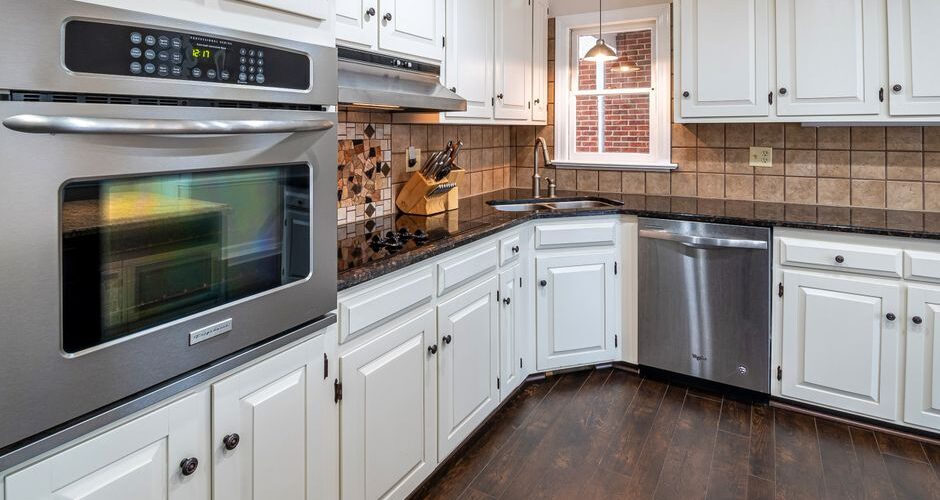
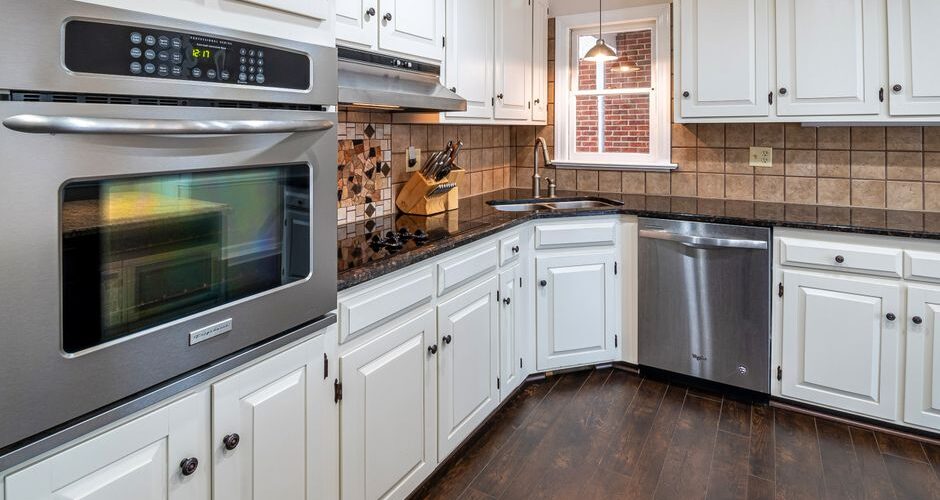
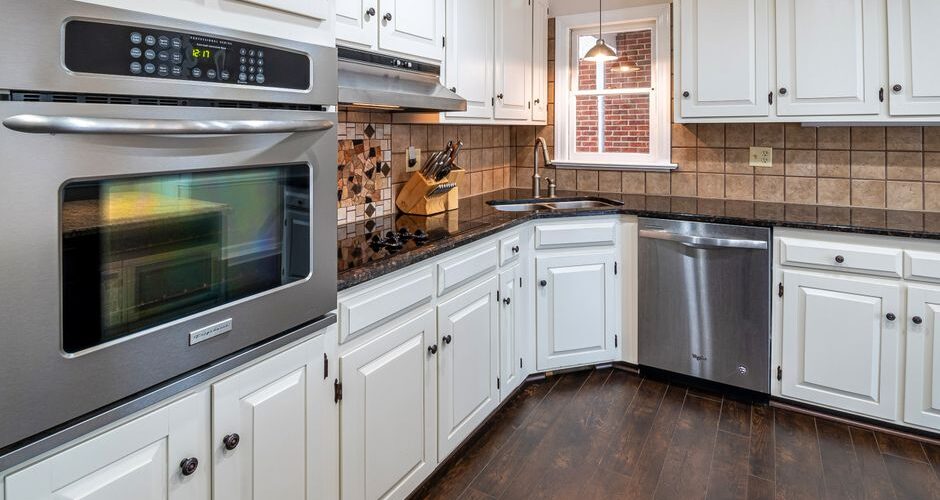

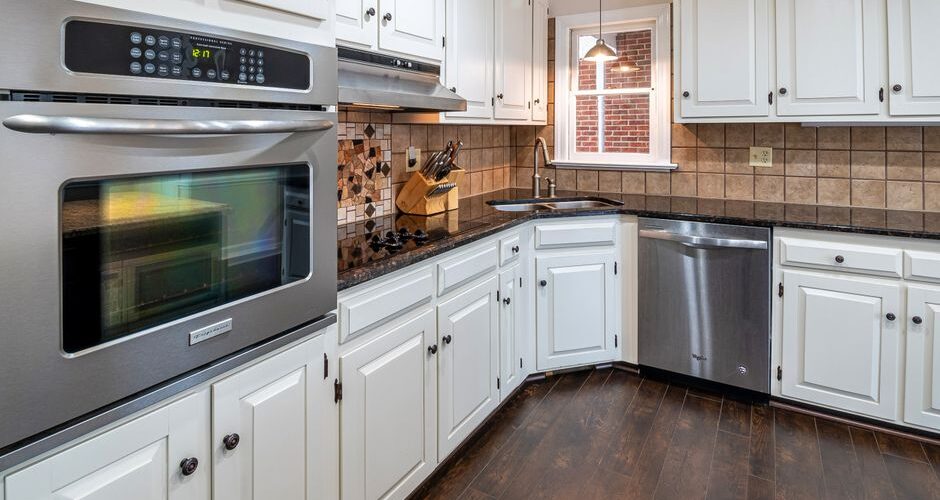
If you have spent any time researching kitchen upgrades, you have probably encountered the phrase “factory finish” used by nearly every cabinet painting company in your search results. The term sounds impressive, but it also raises an important question: what separates companies that actually deliver that smooth, sprayed-on, showroom-quality result from those that simply use the words in their marketing? Finding cabinet painting companies with a factory finish capability requires understanding the specific equipment, processes, and materials that produce results indistinguishable from brand-new manufactured cabinets. This guide walks through exactly what to look for, what questions to ask, and which technologies set the best providers apart from the rest.
Table of Contents
- What Does “Factory Finish” Actually Mean for Painted Cabinets?
- Why Homeowners Seek a Factory Finish Over Standard Painting
- Key Technologies and Processes That Enable Factory-Quality Results
- What to Look for When Evaluating Cabinet Painting Companies
- Cost Expectations for Factory-Finish Cabinet Painting
- How Different Cabinet Materials Affect the Factory Finish Outcome
- DIY vs. Professional Factory Finish: What You Sacrifice
- Durability and Longevity: How Long Does a Factory Finish Last?
- Questions to Ask Before Hiring a Cabinet Painting Company
- Regional Considerations for Colorado Homeowners
- Final Checklist: Choosing the Right Company for Your Factory Finish Project
What Does “Factory Finish” Actually Mean for Painted Cabinets?
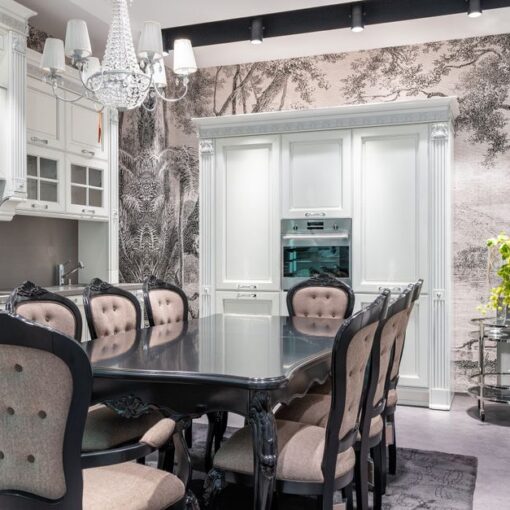
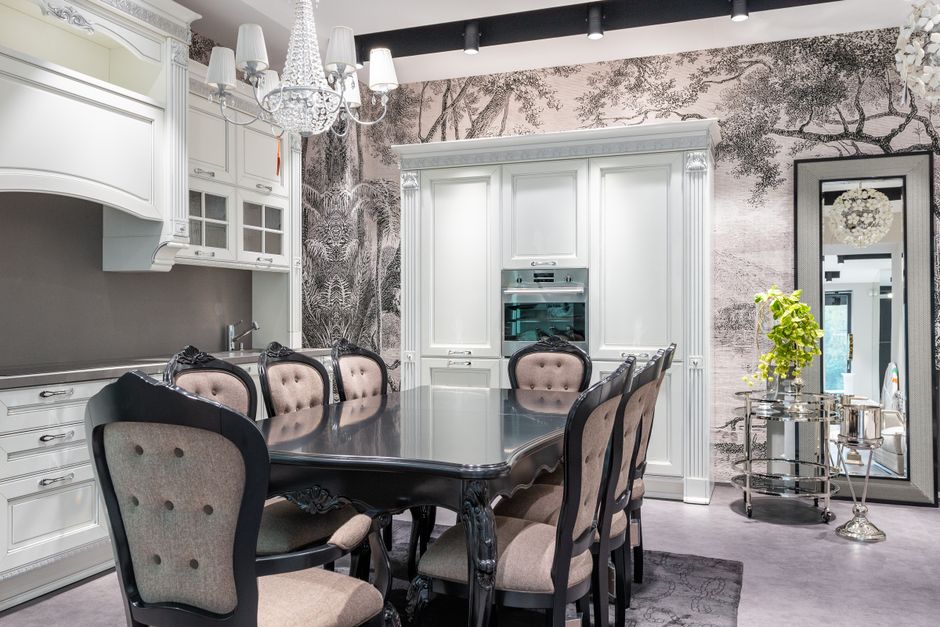
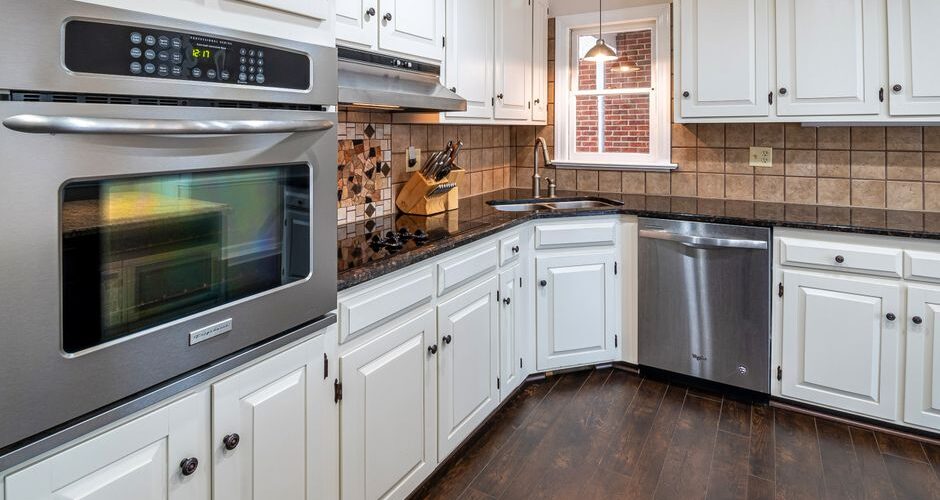
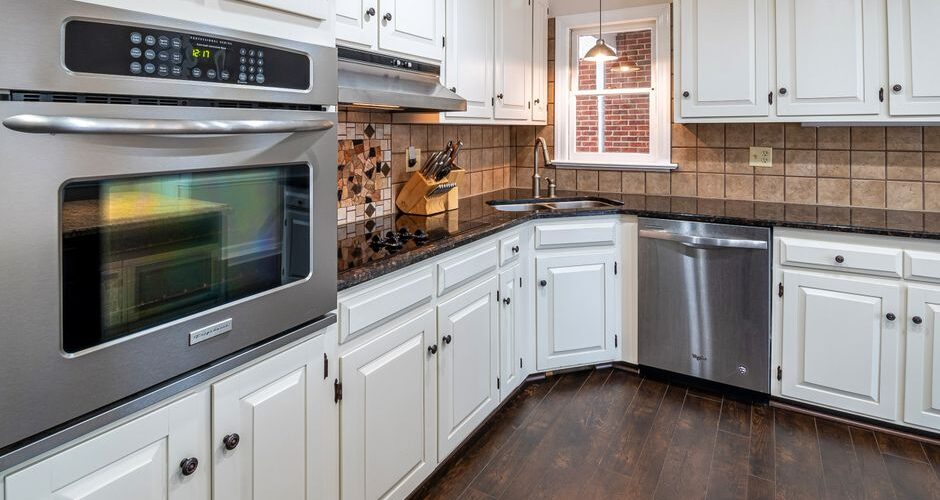
A factory finish refers to a smooth, uniform coating applied through professional spray equipment that leaves no brush marks, roller stipple, or texture on the cabinet surface. The result mimics the appearance of cabinets that were manufactured and finished in a controlled industrial setting: consistent sheen across all surfaces, full coverage on edges and recessed panel details, and a surface that feels glass-smooth to the touch. My Review of Graco FFLP Tips for Spraying Cabinets
Achieving this level of quality requires more than a steady hand with a paint gun. It demands specialized spray booths or controlled environments where dust, humidity, and temperature fluctuations cannot compromise the finish. It also requires high-grade paint systems, often urethanes, conversion varnishes, or two-component polyurethanes, that cure harder and level more evenly than standard wall paints or consumer-grade cabinet coatings.
Many companies claim to offer a factory finish, but only a subset have invested in the equipment and developed the process expertise to deliver it consistently. The key differentiators come down to spray technology, drying and curing methods, and the quality of the paint system itself. When you understand these variables, you can quickly separate premium providers from general painting contractors who treat cabinets like any other surface.
Why Homeowners Seek a Factory Finish Over Standard Painting
The primary motivation is aesthetic. A true factory finish delivers a seamless, professional look that elevates the entire kitchen and increases home value. There is no visible texture, no lap marks, and no uneven sheen to betray that the cabinets were painted after installation.
Durability is the second major factor. Factory-quality finishes use harder, more chemical-resistant coatings than typical wall paints. These surfaces stand up to daily cleaning, cooking grease, and the wear that comes from repeated contact with hands and objects. A standard latex paint job may look acceptable for a year or two before showing its limitations, while a proper factory finish holds up for a decade or more.
The financial case is compelling as well. Factory-finish cabinet painting costs 50 to 70 percent less than full cabinet replacement, according to multiple industry sources. When you combine that savings with a project timeline measured in days rather than weeks, the appeal becomes clear. Some companies using UV-cured technology can complete an entire kitchen in three to five days, minimizing disruption while delivering results that rival new construction.
Key Technologies and Processes That Enable Factory-Quality Results
Spray Booth Technology: On-Site vs. Off-Site
The environment where cabinets are sprayed has an enormous impact on the final result. Some companies, like Walls by Design, use mobile spray booth systems that allow on-site door finishing without creating overspray fog in the kitchen. These portable containment systems create a controlled micro-environment inside the home.
Other companies take a different approach. Cabinet Painting of Southern Maine and ALL IN Painting remove doors and drawers to dedicated off-site spray shops, some exceeding 1,000 square feet. These facilities offer complete control over temperature, humidity, and airborne contaminants. The trade-off is that cabinet boxes still need to be finished on-site, but the most visible surfaces, the doors and drawer fronts, receive the full benefit of a clean-room environment.
Advanced Curing Systems
Curing technology separates average results from exceptional ones. N-Hance uses UV-cured finishes that dry instantly under ultraviolet light, eliminating the 24 to 48 hours of drying time typically required between coats. This technology compresses project timelines to three to five days and reduces the window where dust can settle on wet surfaces.
At the higher end of the durability spectrum, Textbook Painting uses a two-component polyurethane imported from Italy, often called 2K polyurethane. This system cures through a chemical reaction between the paint and a hardener, creating a finish that rivals automotive paint in hardness and chemical resistance. The result withstands impacts, cleaning products, and daily abuse far better than single-component alternatives.
Professional Spray Equipment and Paint Selection
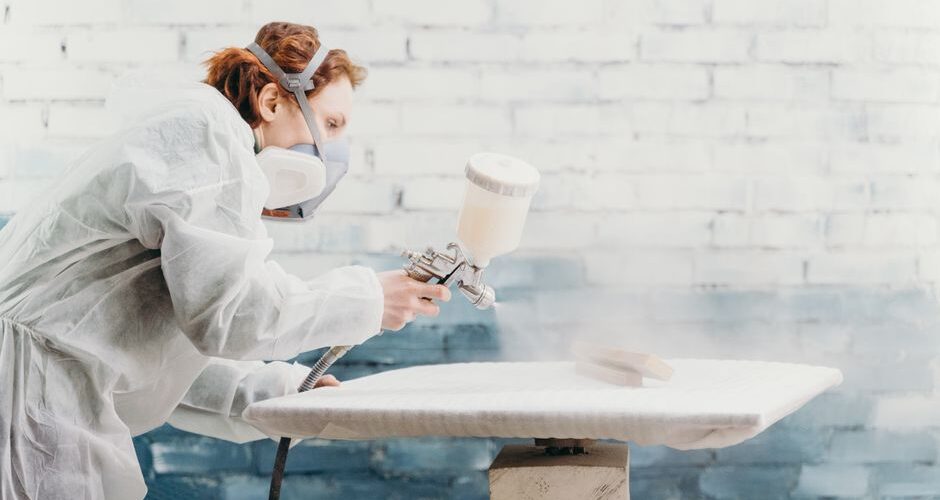
HVLP sprayers, which stands for High Volume Low Pressure, provide the precise control needed for cabinet work. These systems atomize paint into a fine mist with minimal overspray, allowing painters to build thin, even coats that level out to a smooth surface.
Primer selection matters just as much as the topcoat. Klappenberger & Son specifically recommends shellac-based primers for cabinets with existing factory lacquer finishes. Standard water-based or oil-based primers can struggle to bond with these slick surfaces, leading to adhesion failure and peeling within months. Shellac primers bite into the old finish and create a reliable foundation for the new paint system.
On the paint side, specific brands appear repeatedly in professional circles. Benjamin Moore Advance, C2 Cabinet and Trim, and PPG Ultralast each offer different durability profiles and working characteristics. The best companies select their paint system based on the specific cabinet material, usage patterns, and desired sheen rather than defaulting to a single product for every job.
What to Look for When Evaluating Cabinet Painting Companies
Warranty offerings serve as one of the strongest trust signals available. Companies that offer five-year, seven-year, or lifetime warranties are putting their reputation behind their work. The most confident providers go further: Textbook Painting and ALL IN Painting offer lifetime touch-up promises for as long as the homeowner owns the property. Walls by Design includes free yearly touch-ups alongside a lifetime warranty. These commitments suggest that the companies expect their finishes to last and are willing to stand behind them.
Experience and specialization matter. Companies with 30-plus years in cabinet painting, such as Klappenberger & Son and Cabinet Painting of Southern Maine, have refined their processes over decades and encountered virtually every cabinet material and condition. General painting contractors who paint cabinets occasionally cannot match the depth of knowledge that comes from specialization.
Social proof provides objective validation. Top companies in this space show 500 or more reviews with ratings of 4.9 out of 5. Verify that recent reviews are consistent with overall scores, and read the detailed feedback rather than relying on star ratings alone. A company with hundreds of reviews mentioning “factory finish” and “smooth” is delivering on its promises.
Before and after portfolios deserve close attention. Look for projects featuring cabinet styles and wood types similar to your own. If you have oak cabinets with prominent grain, find examples showing the grain-filling process and final result. If you have slab-front doors, look for evidence of perfectly uniform sheen without blotching.
Process transparency separates professionals from pretenders. Reputable companies openly share their step-by-step approach, typically spanning cleaning, sanding, priming, spraying, and reinstallation. If a company is vague about their process or unwilling to discuss specifics, consider it a red flag.
Cost Expectations for Factory-Finish Cabinet Painting
The most commonly cited industry benchmark places cabinet painting plus a new backsplash at under $5,000. Painting alone typically costs 50 to 70 percent less than full cabinet replacement, translating to savings of $5,000 to $15,000 or more depending on kitchen size and cabinet quality.
Several factors influence the final price. The number of cabinets and drawers is the most obvious variable. Wood type plays a significant role as well: oak requires grain filling to achieve a smooth factory finish, adding labor and material costs that maple or cherry cabinets do not require. The paint system selected also affects pricing, with premium urethanes and 2K polyurethanes costing more than standard acrylics. Geographic location introduces further variation, as labor rates and market conditions differ across regions.
No standard per-square-foot pricing exists in current market content, which makes comparison shopping essential. Request itemized quotes from at least three companies, and ensure each quote specifies the paint system, number of coats, prep steps included, and project timeline. Be wary of quotes significantly below the market average. Quality materials and proper preparation have non-negotiable costs, and cutting corners on either will show in the final result.
How Different Cabinet Materials Affect the Factory Finish Outcome
Oak presents the greatest challenge for achieving a factory finish due to its open grain structure. Without grain filling, the paint will sink into the pores and leave a textured surface that looks nothing like a manufactured cabinet. Not all companies include this step, so confirm it explicitly if you have oak cabinets.
Maple and cherry are closed-grain woods that accept paint more uniformly. However, their smooth surface can reveal sanding scratches if preparation is rushed. The fine, consistent texture of these woods makes them ideal candidates for factory finishing when proper technique is applied.
MDF paints beautifully and produces exceptionally smooth results, but it requires careful edge sealing to prevent moisture from causing swelling. The machined edges of MDF doors are particularly vulnerable and need thorough priming.
Laminate and thermofoil surfaces demand specialized primers and often require mechanical sanding to create a surface profile that paint can grip. Some finishes will not adhere without this step, and professional assessment is essential before proceeding.
Factory-finished cabinets that were previously painted or lacquered need shellac-based primers for reliable adhesion. Companies that skip this step and use standard primers risk peeling within the first year, especially in high-use areas around handles and lower cabinets.
DIY vs. Professional Factory Finish: What You Sacrifice
Consumer-grade spray equipment, even turbine HVLP units costing several hundred dollars, cannot match the atomization and consistency of professional systems that cost thousands. The difference shows in the final surface quality, with DIY results often exhibiting slight orange-peel texture or uneven sheen.
Environmental control is nearly impossible to achieve in a home garage or driveway. Dust, pet hair, insects, and fluctuating humidity all conspire against a flawless finish. Professional facilities filter the air and maintain consistent conditions throughout the spraying and curing process.
Curing time represents another significant gap. DIY projects often stretch to two or three weeks because of drying time between coats and the inability to control temperature and humidity. Professionals complete the same work in under a week.
The durability gap is perhaps the most consequential. Consumer-grade paints lack the hardness and chemical resistance of professional urethanes and 2K polyurethanes. A DIY cabinet paint job may save 40 to 50 percent on labor costs, but it typically yields results that need repainting in two to three years. A professional factory finish should last a decade or more with proper care.
Durability and Longevity: How Long Does a Factory Finish Last?
Professional factory finishes typically last 8 to 12 years before showing significant wear, based on industry warranty periods and anecdotal data from long-term clients. The range depends on several factors: the quality of the paint system, the thoroughness of preparation, and the intensity of daily use in the kitchen.
Two-component polyurethane systems outlast standard acrylics by a wide margin, offering superior resistance to impacts, scratches, and cleaning chemicals. The prep work underneath matters equally. A premium paint applied over inadequate preparation will fail far sooner than a mid-range paint applied over properly sanded, primed, and cleaned surfaces.
Warranty periods offer clues about expected longevity. A five-year warranty suggests moderate confidence in the system. Lifetime warranties indicate that the company uses premium materials and processes that they believe will last indefinitely with proper maintenance.
Touch-up programs extend the useful life of a factory finish. Free yearly touch-ups or lifetime touch-up promises allow homeowners to address minor wear before it becomes visible damage, maintaining the kitchen’s appearance for years beyond what the finish alone would provide.
No current market content provides controlled wear-testing data, so ask companies for case studies or long-term client references. A provider confident in their durability should be willing to connect you with homeowners whose cabinets were painted three, five, or even ten years ago.
Questions to Ask Before Hiring a Cabinet Painting Company
What specific paint system do you use, and why did you choose it over alternatives? This question reveals whether the company has made deliberate material choices or simply uses whatever is cheapest.
Do you spray on-site or in a dedicated off-site facility? How do you control dust and overspray? The answer tells you about their commitment to environmental control.
What is your process for grain filling on open-grain woods like oak? If they hesitate or say it is not necessary, look elsewhere.
What warranty do you offer, and what does it cover? Confirm whether chipping, peeling, and fading are included.
Can you provide references from projects completed three or more years ago? Long-term references are more valuable than recent ones.
Do you carry general liability insurance and workers’ compensation? Can you provide certificates? Never hire a company that cannot produce proof of insurance.
Regional Considerations for Colorado Homeowners
Colorado’s dry climate affects paint drying times and can cause faster curing than manufacturers specify. Skilled local companies adjust their process to account for low humidity, which can cause paint to skin over before it has properly leveled.
High altitude, with Denver at 5,280 feet, may require adjusted spray gun settings and thinner paint viscosity for proper atomization. Paint sprayed at sea-level settings can arrive at the surface partially dried, creating a rough texture.
Local companies serving Colorado, such as Paint Denver and Walls by Design, understand these regional conditions and have adapted their processes accordingly. They also know the building codes and permit requirements specific to Colorado municipalities.
Verify that companies hold Colorado-specific contractor licenses and insurance meeting state requirements. Ask about VOC regulations as well. Colorado has air quality rules that may affect paint selection and application methods, particularly in the Denver metro area and Front Range counties.
Final Checklist: Choosing the Right Company for Your Factory Finish Project
Confirm the company uses professional spray equipment in a controlled environment, whether on-site with containment systems or in a dedicated off-site facility. Verify that their process includes grain filling for open-grain woods and shellac-based primer for previously finished surfaces. Look for a warranty of at least five years, with lifetime touch-up programs as a strong bonus. Review their portfolio for recent before and after photos matching your cabinet style and material. Check for at least 100 reviews with a 4.5-star or higher rating on Google or similar platforms. Insist on an itemized quote specifying the paint system, number of coats, and project timeline. Require proof of insurance and appropriate local licensing before signing any contract.