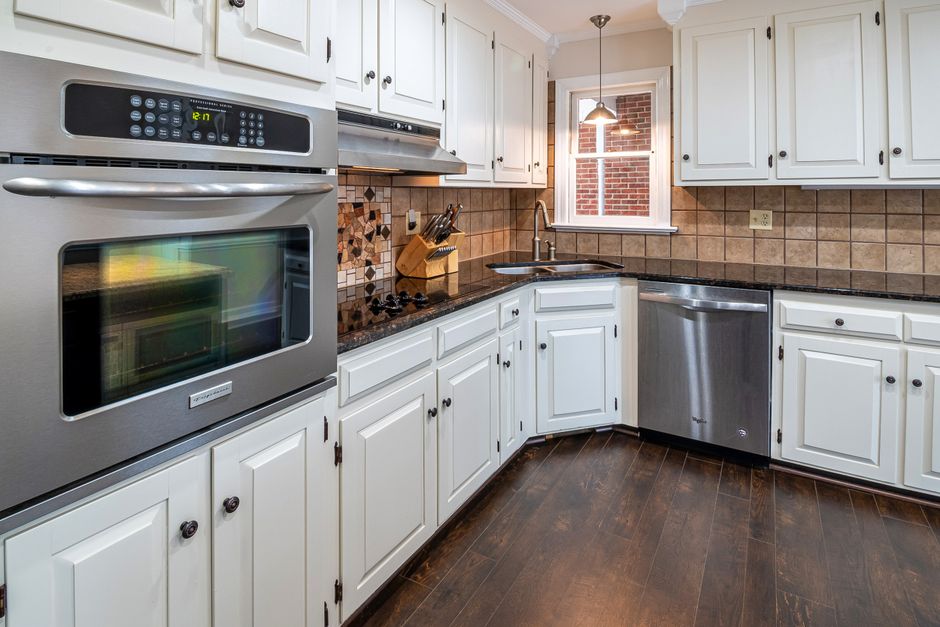
A Denver homeowner collecting cabinet painting bids will usually see the same kitchen priced three different ways: per linear foot, per door and drawer, and as one flat number for the whole job. The per-linear-foot method is the easiest one to check against competing quotes, and it is the figure most painters still quote in 2026. Professionals charge roughly $30 to $60 per linear foot of cabinetry, and that range typically includes supplies, materials, and labor. The spread is wide because linear footage is only one variable in a price that also depends on door count, drawer count, prep work, and the finish being sprayed.
What One Linear Foot Actually Covers
A linear foot is twelve inches measured along the face of a cabinet run. A ten-foot wall of cabinetry equals ten linear feet. That measurement normally covers the boxes, the door and drawer fronts, and the visible end panels attached to that run.
Where estimates start to drift is in how each company counts uppers and lowers. Some contractors measure base cabinets and wall cabinets separately, which can nearly double the footage on a standard kitchen. Others treat a stacked upper-and-lower run as a single linear measurement. Two bids on the same kitchen can look a thousand dollars apart simply because one painter counted the room twice.
Before comparing totals, ask each contractor for the linear footage they used and how they arrived at it. A written breakdown takes two minutes to request and prevents an apples-to-oranges comparison later.
2026 Cabinet Painting Rates at a Glance
Cabinet painting is quoted in four common ways. Knowing which one you are looking at makes it much easier to tell whether a bid is reasonable.
| Pricing method | Typical 2026 range | What it usually reflects |
|---|---|---|
| Per linear foot | $30 to $60 | Includes supplies, materials, and labor for the measured run of cabinetry |
| Per square foot | $3 to $10 | May 2026 calculator data puts the basic range at $5.40 to $10.79 per square foot, with wide variation for site conditions and options |
| Per door and drawer front | $90 to $175 per door, $30 to $50 per drawer front | One commonly cited trade rate runs about $65 per door and $40 per drawer |
| Flat rate for the whole kitchen | About $1,500 to $2,300 for most cabinet sets | Some painters report $2,500 to $4,500 per kitchen, and some homeowner quotes run $5,000 to $7,000 |
Notice how much those ranges overlap. A kitchen that lands at $2,000 under a flat-rate bid might also pencil out at $45 per linear foot for a 22-foot run. Neither number is wrong. They are just different shorthand for the same scope of work.
A Per-Linear-Foot Estimate at Five Common Kitchen Sizes
Multiplying linear footage by the $30 to $60 range gives a fast ballpark before anyone sets foot in your kitchen.
| Cabinet run | At $30 per linear foot | At $45 per linear foot | At $60 per linear foot |
|---|---|---|---|
| 10 linear feet | $300 | $450 | $600 |
| 15 linear feet | $450 | $675 | $900 |
| 20 linear feet | $600 | $900 | $1,200 |
| 25 linear feet | $750 | $1,125 | $1,500 |
| 30 linear feet | $900 | $1,350 | $1,800 |
Those totals sit comfortably inside the $1,500 to $2,300 that most full cabinet sets cost to complete, which is a useful signal that the per-linear-foot range is grounded in real market pricing rather than a marketing figure.
Why the Same Kitchen Gets Two Very Different Quotes
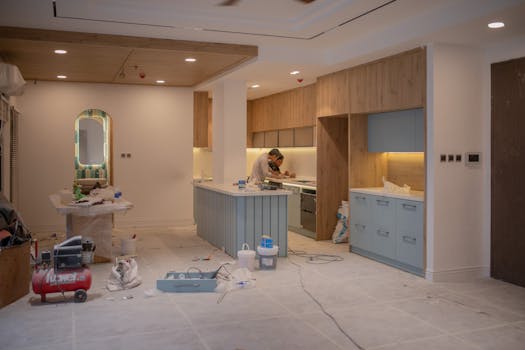
Published rates are averages, and averages hide the details. A bid climbs toward the top of the range when the cabinet run includes more doors and drawer fronts per foot, when the existing finish needs heavy sanding or deglossing, and when site conditions or selected options add steps to the job. A bid lands near the bottom when the layout is simple, the boxes are already in good condition, and the color change is straightforward.
Materials alone can swing a budget substantially. Homeowners who have priced their own projects in forums report material costs of $2,200 to $2,900 for a full kitchen refinish, which is one reason quotes vary so much. Material quality, primer type, and topcoat chemistry are not visible in a single per-foot number, but they are reflected in the bid.
Doors and Drawers: The Cross-Check That Keeps Bids Honest
If a per-linear-foot quote feels high or low, price the same kitchen by the piece. Doors typically run $90 to $175 each, with drawer fronts at $30 to $50. Another commonly cited trade rate is $65 per door and $40 per drawer.
Run the math on your own kitchen:
- Count every door and every drawer front separately.
- Multiply doors by the low and high end of the door range.
- Multiply drawers by the low and high end of the drawer range.
- Compare the resulting band against the per-linear-foot total.
When the two methods land in the same neighborhood, you are looking at a fair bid. When they are far apart, ask what the difference covers.
Square Foot Pricing as a Second Opinion
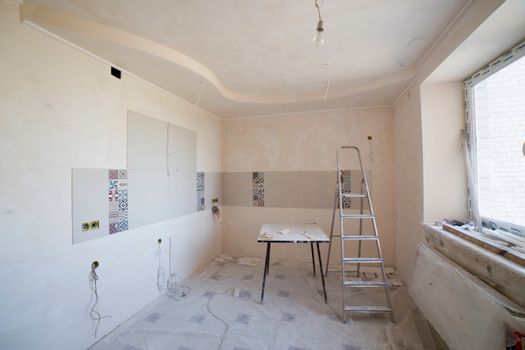
Square footage is the third way to check a quote. Painting cabinets generally runs $3 to $10 per square foot, and May 2026 calculator data places the basic range at $5.40 to $10.79 per square foot. Because cabinet boxes, doors, and drawer faces create far more surface area than a simple floor plan suggests, per-square-foot figures often look high at first glance. Multiply the finished square footage of all cabinet surfaces, not the footprint of your kitchen, and the number becomes more reasonable.
Denver Pricing Versus Published National Ranges
The figures above are the widely published 2026 ranges, not a Denver-specific survey. Local labor markets, drive time between jobs, and the density of specialist versus general painting crews all shift where a real bid lands inside those bands. That is why a written local estimate beats any national average, including the ones on this page.
A free on-site estimate is the only way to get a number tied to your actual cabinet run, door count, and existing finish. Ask for the linear footage and the per-unit count in writing so you can compare bids side by side.
What a Specialist Cabinet Painter Does Differently
Cabinets are not walls, and the finish that holds up on drywall will not hold up on a door that gets opened twenty times a day. A specialist shop sprays a factory-grade lacquer finish, either 2K polyurethane or precatalyzed lacquer, instead of brushing or rolling paint. Sprayed finish lays flat without brush marks, cures hard, and resists the chipping and yellowing that show up on brushed cabinet paint within a couple of years.
Prep work matters just as much as the topcoat. Dustless HEPA sanding keeps the house clean while the old finish is scuffed for adhesion. For white oak and golden oak cabinets, grain filling smooths the open pores that would otherwise telegraph through the new color. Two-tone kitchen designs, where uppers and lowers get different colors, are also handled in the spray booth rather than on site.
Timeline is part of the value. A dedicated cabinet crew finishes a typical kitchen in five to seven days, backed by a three-year workmanship warranty. General house painters often fit cabinet work around other jobs, which stretches a week of work across a month of disrupted kitchen use.
How to Compare Denver Cabinet Painting Estimates
Bring the same questions to every bidder and the differences become obvious:
- How many linear feet are you pricing, and are uppers and lowers counted together or separately?
- Is the quote per door and drawer, per linear foot, or a flat rate?
- Are doors and drawer fronts sprayed off site or in place?
- What finish is being applied, and is it a brushed or sprayed product?
- Is grain filling included for oak cabinets?
- How many days will the kitchen be out of service?
- What warranty covers the workmanship, and what does it exclude?
Line up three or four answers next to each other and the cheapest bid often stops looking cheapest. A quote that skips grain filling, brushes instead of sprays, or leaves cabinet doors hanging in place is not the same product as a full spray job, even when the totals look similar on paper.
Frequently Asked Questions
How much does cabinet painting cost per linear foot in 2026?
Most professional painters charge between $30 and $60 per linear foot of cabinetry, and that figure generally includes supplies, materials, and labor. A 20-foot run of cabinets therefore lands somewhere between $600 and $1,200 before extras. Site conditions, door count, and the finish being sprayed push a bid toward one end of that range or the other.
Is it cheaper to pay per linear foot or per door and drawer?
Neither method is inherently cheaper. They are different ways of measuring the same work. Doors often run $90 to $175 each and drawer fronts $30 to $50 each, and a full cabinet set usually comes out around $1,500 to $2,300 either way. Ask contractors to show both calculations so you can confirm the totals agree.
How many linear feet are in a typical kitchen?
There is no universal answer because kitchen layouts vary so widely, and the number changes depending on whether uppers and lowers are counted separately. What matters is that every contractor you interview measures the same way. Request the linear footage used for your bid in writing, then confirm each competing quote is based on the same count.
What is included in the $30 to $60 per linear foot range?
The published range generally covers supplies, materials, and labor for the measured cabinetry. What sits outside that range depends on the contractor. Prep intensity, oak grain filling, two-tone color designs, and whether doors are sprayed off site can all shift the number. Ask each bidder to list inclusions and exclusions in writing before you sign.
How long does professional cabinet painting take?
A dedicated cabinet painting crew typically completes a kitchen in five to seven days, including dustless HEPA sanding during preparation and the sprayed finish. General house painters who fit cabinet work around other projects often take considerably longer. Ask for a start date and a completion date in the written estimate so the schedule is part of the agreement.